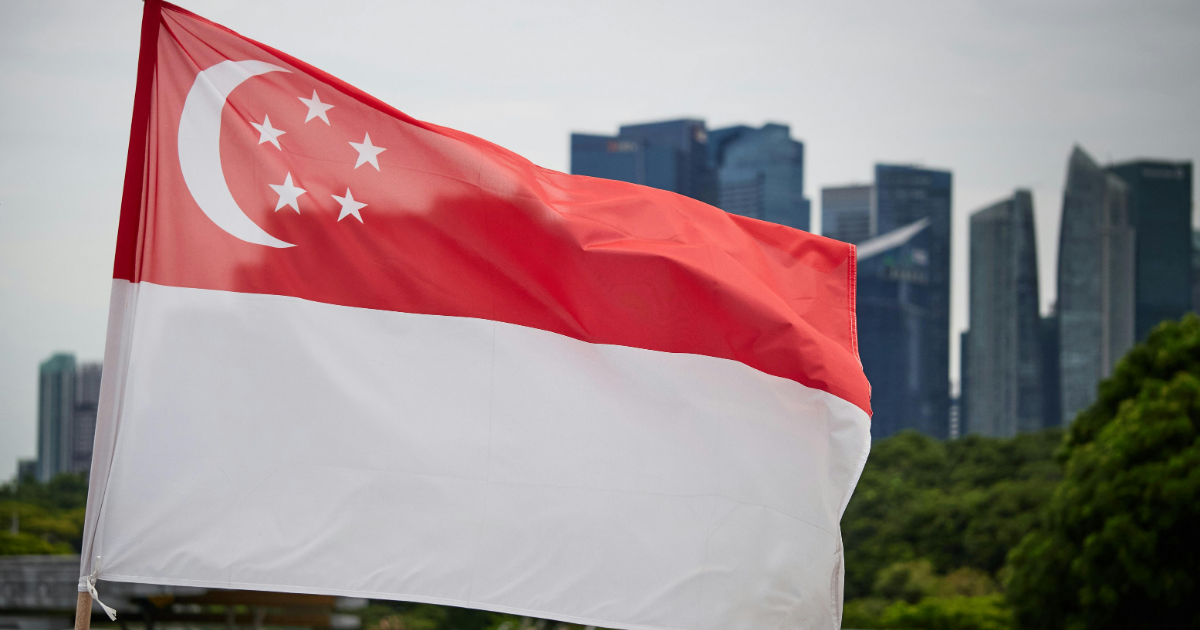
The world is in flux, with more conflicts and new security risks. These changes mean difficult times and choices ahead for Singapore, whose survival depends on free trade, access to global supply chains and its role as a business hub.
Here are three ways the government plans to address these challenges.
Strengthening our defence capabilities
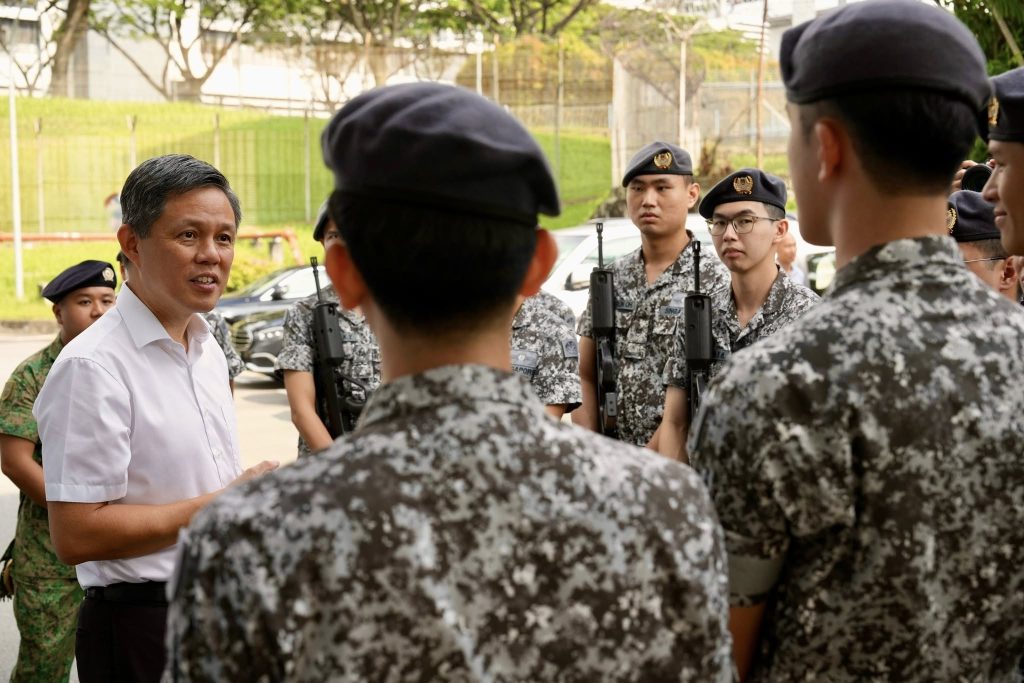
Advances in technology have redefined the nature of warfare. Rather than sheer brute force, attacks can be remote yet lethal.
A cyberattack, for instance, can be launched with a few keystrokes, crippling our critical infrastructure. Meanwhile, the use of drones in conflicts in Ukraine, for example, have completely rewritten the rules of warfare.
To stay ahead, the SAF will ramp up efforts and adopt the most advanced and latest technologies in cybersecurity and unmanned platforms to counter such threats.
This year, unmanned aerial vehicles (UAVs) were featured heavily during the SAF’s biennial military drill in the US. Singapore has also purchased 4 Boeing P-8A Maritime Patrol Aircraft to boost its maritime security.
Besides military readiness, we believe that every Singaporean has a part to play in keeping the country safe and strong.
As such, MINDEF will expand opportunities for Singaporeans of all ages and skill sets to contribute to national defence. In doing so, we can strengthen our collective resilience and stay prepared in times of crisis.
Staying vigilant against threats at home
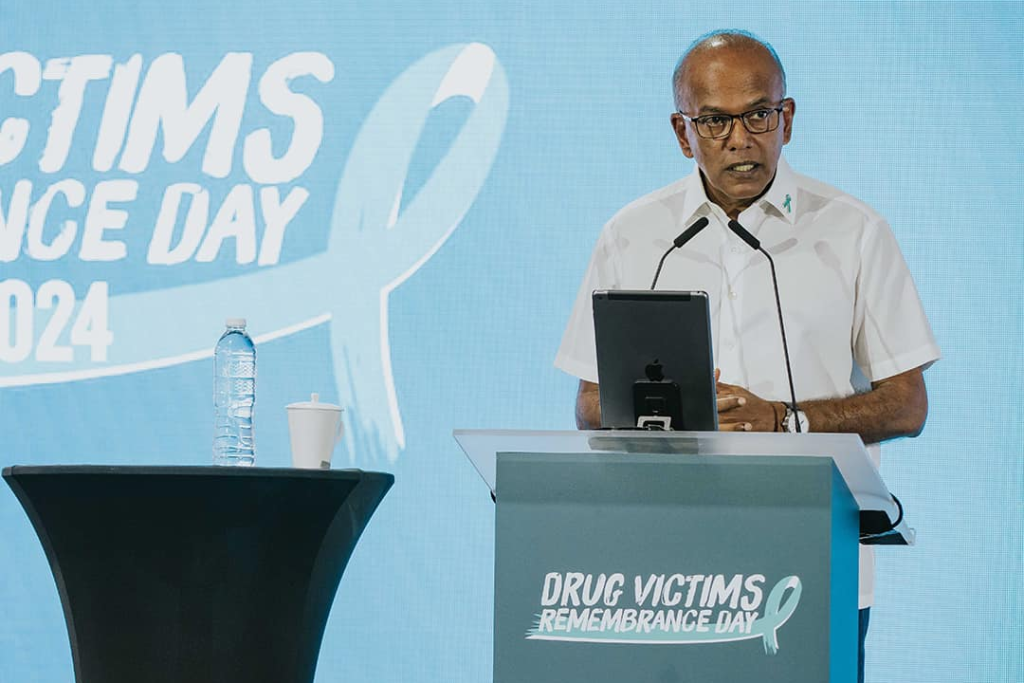
In addition to external threats, Singapore must remain vigilant against threats at home.
Only recently, a 14-year-old boy was issued a restriction order for his extremist ideologies, one of the youngest to have been picked up by authorities. He is neither the first nor will he be the last.
Added to the negativity echo chamber of social media, fake news, rage bait and conspiracy theories are also circulating online with alarming regularity. Many of these views are seeded and amplified by inauthentic state and non-state actors. These views seek to polarise opinions, deepen fault lines and threaten our social cohesion.
As such, the government will adopt a whole-of-government approach to address such risks.
It will strengthen laws, such as the Foreign Interference (Countermeasures) Act, to protect Singaporeans against disinformation and external manipulation.
It will also take a more proactive and tougher stance to tackle terrorism, scams, drugs and other harmful substances, such as vapes.
Deepening partnerships with like-minded nations
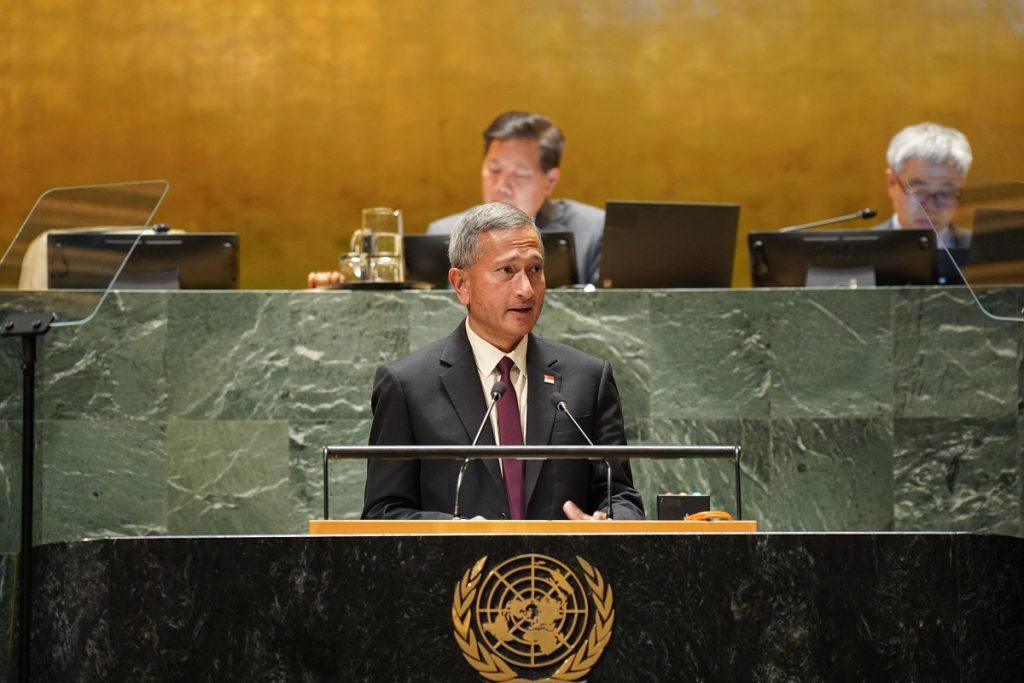
In an increasingly chaotic world, Singapore must strive to remain a haven for stability and a trusted friend.
To do so, it will push for deeper integration within ASEAN. For example, the upcoming Johor-Singapore Special Economic Zone will strengthen economic and people-to-people ties.
There are also plans to upgrade current trade agreements, digitalise the region and develop an ASEAN Power Grid, which can secure our energy security.
Next, the government will continue to strengthen ties with the major powers (i.e, the US and China). It will also build on the Comprehensive Strategic Partnerships (CSPs) we have with like-minded nations, including France, Germany, the UK, New Zealand and Vietnam.
In addition, the MFA will open new diplomatic missions in Africa and Latin America in the coming years, as part of the plan to grow Singapore’s circle of friends.
Lastly, Singapore is committed to being a responsible steward of the global commons. It plans to do so by advancing a positive agenda in areas like AI, climate change, and pandemic preparedness.
Singapore’s foreign policies and defence strategies must adapt swiftly to the realities of a more uncertain era. Only then can Singapore sail through the storm and secure its place in a changing world.