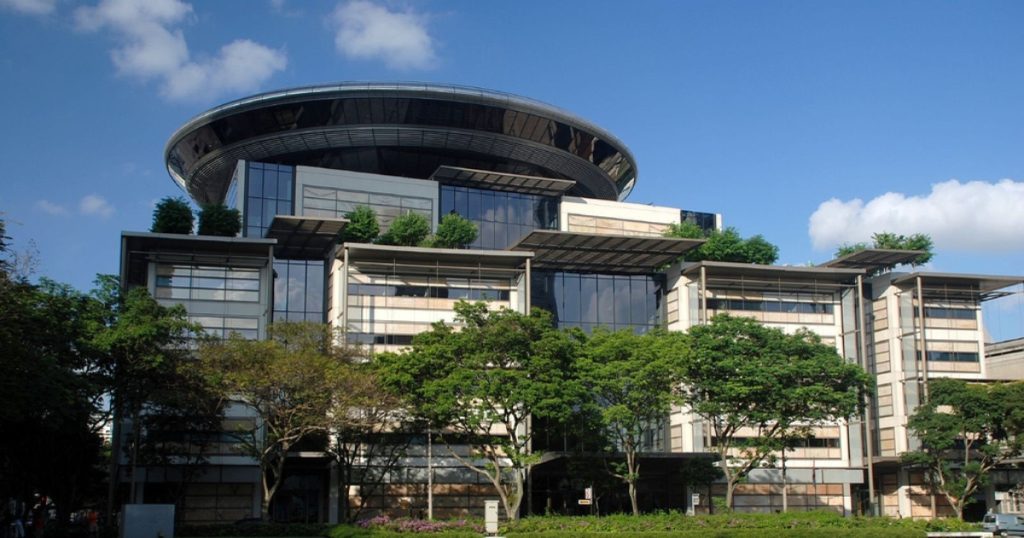

The PAP Government will keep building a distinctive city and an endearing home for Singaporeans. Long-term plans for affordable and accessible public housing, as well as climate-resilient infrastructure, will continue.
Minister for National Development Chee Hong Tat, Minister for Sustainability and the Environment Grace Fu and Acting Minister for Transport Jeffrey Siow outlined these nation-building plans today (18 Sept) in their Addendum to the President’s Address.
Ministry of National Development: A Singapore that is home
Public housing remains a major priority for the Ministry of National Development (MND).
“MND will keep public housing affordable and accessible, through a robust supply of Build-To-Order flats across different regions, including more with shorter waiting times,” said Minister Chee. “We will review the public housing income ceiling, and study how to provide more housing options, including for singles, seniors, and larger families.”
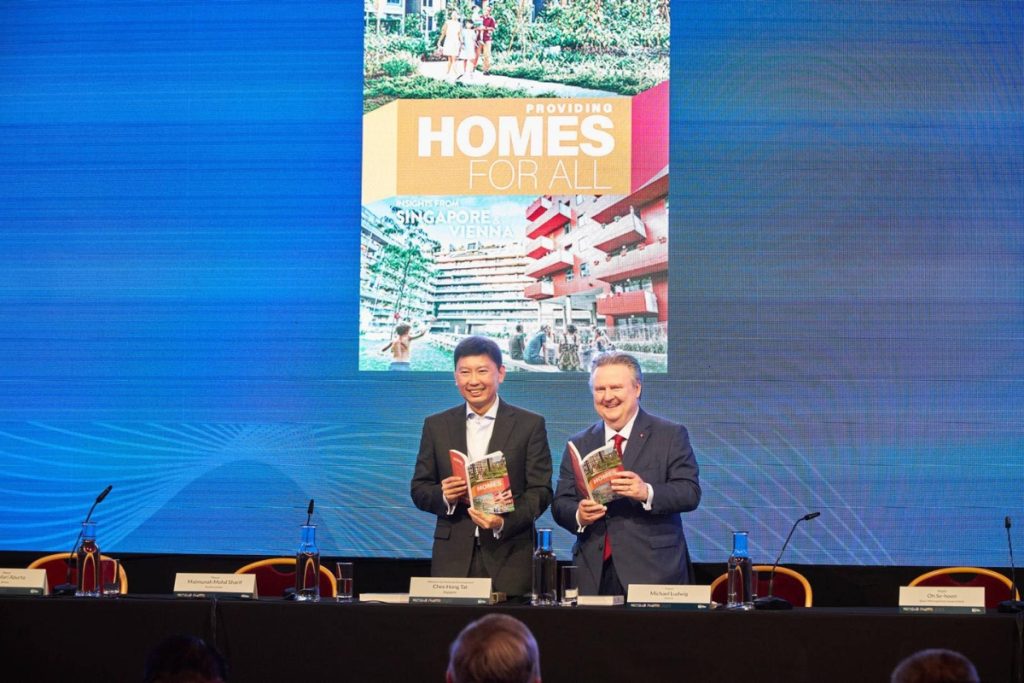
People in rental flats will continue to have Government support to own their own home, and older rental blocks will be upgraded.
The MND will work for community living and fight climate change, said Minister Chee.
“We are expanding the network of parks and park connectors to make green spaces more accessible, and planning new public spaces along Identity Corridors that anchor community activity,” he detailed. “MND will mitigate the impact of climate change on Singaporeans through measures such as climate-sensitive urban planning and building design, and the use of cool paints to mitigate the impact of rising temperatures.”
The MND will also maintain a strong supply of land for private housing.
Ministry of Sustainability and the Environment: A landmark National Adaptation Plan
MSE’s just-announced first-ever National Adaptation Plan will fortify the nation against rising seas, soaring heat, and food insecurity — vital steps for an island nation which imports 90 per cent of its food.
“To prepare for rising sea levels, MSE is undertaking site-specific studies across our coastline to identify and construct the most fit-for-purpose multi-functional coastal protection measures,” said Minister Fu. “We will press on with research efforts to develop new coastal protection technologies and solutions while learning from the best-in-class internationally.”

Against the heat, MSE is developing a Whole-of-Government integrated strategy for heat resilience, partnering with businesses, academia, and community. This strategy will include investments in science and technology, identifying innovative and effective solutions to manage the effects of heat on Singaporeans, and protect lives and livelihoods.
For securing Singapore’s food supply, MSE continues to diversify Singapore’s food import sources, stockpile essential food items, and scale up the productivity and climate resilience of local agri-food industries.
The PAP Government will continue supporting affordable food options for people.
“The Government will invest up to $1 billion to upgrade existing hawker centres and build five new ones over the next 20 to 30 years,” said Minister Fu.
Ministry of Transport: Strengthening international and domestic connections
The Johor Bahru-Singapore Rapid Transit System (RTS) Link is expected to begin service in December 2026. It can carry 10,000 passengers hourly in each direction, and will connect Woodlands North to Bukit Chagar in just five minutes, as well as serve the Johor-Singapore Special Economic Zone.
Changi Terminal 5 will increase Changi’s annual passenger capacity to over 50 million passengers — a 50 per cent increase — when operational in the mid-2030s. Tuas Port will increase its cargo handling capacity to 65 million — a 60 per cent increase — at its 2040s completion.
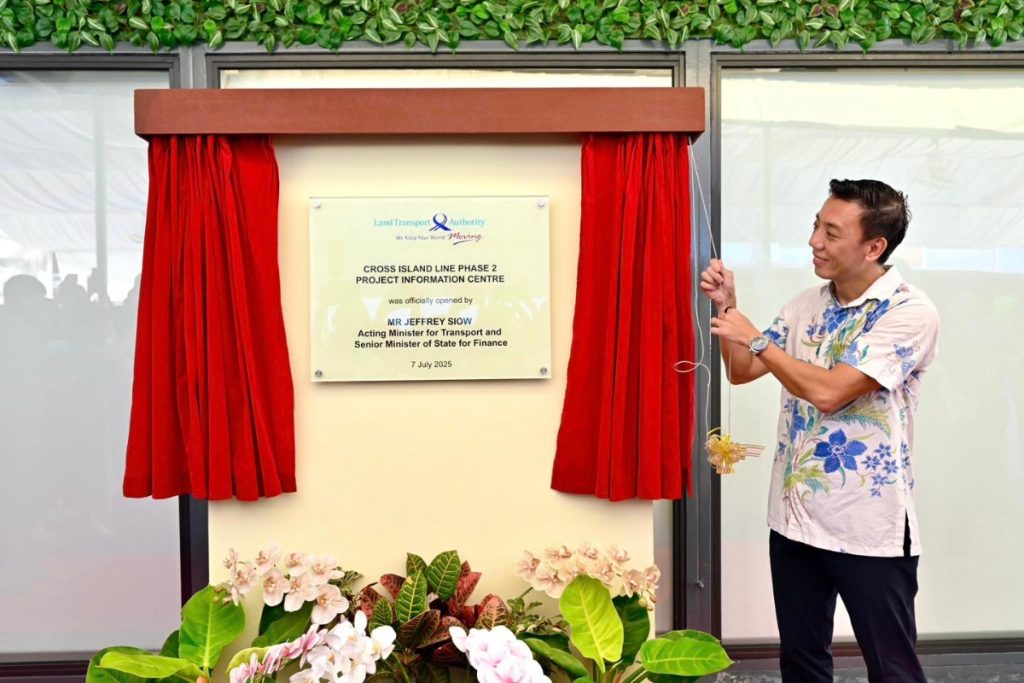
These increased rail, air and sea international connections are key to strengthening Singapore’s position as a global sustainable aviation and maritime hub.
Domestically, the government will continue to expand Singapore’s rail network along the Circle Line, Downtown Line, and Thomson-East Coast Line, as well as with the new Jurong Region Line and Cross-Island Line.
“By the early 2030s, eight in ten households will be within a ten-minute walk of a train station, making Singapore one of the most connected cities in the world,” said Acting Minister Siow.
“Maintaining high rail reliability standards will remain a key challenge as our network grows and ages,” he added. “MOT will work with rail operators and workers to invest in systems and training to improve monitoring, maintenance, and renewal of our railway assets.”