
The Government Parliamentary Committee (GPC) for Health will prioritise making healthcare both affordable and accessible for Singaporeans, while maintain a people- centric and sustainable system, said Chairperson Mariam Jaafar.
Speaking to Petir, Ms Mariam laid out the GPC’s three priorities, amidst increased cost and demand for healthcare.
“Thinking through how we are going to keep our healthcare expenditure sustainable while providing the right quality of care to our people is important, not just in public healthcare, but also private healthcare,” she explained.
Referring to the debate on Integrated Shield Plans, she noted that Minister for Health Mr Ong Ye Kung has spoken on the unsustainability of insurance costs and the changes needed to protect policyholders’ and citizens’ interests.
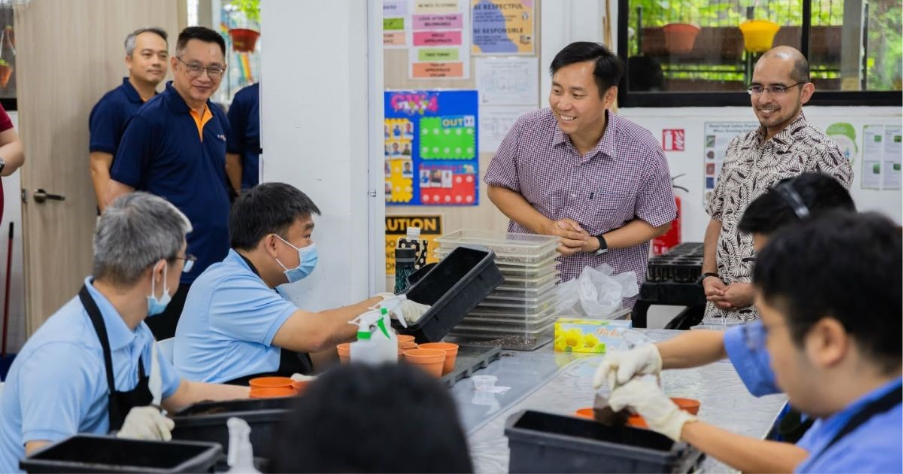
Ms Mariam advocates for a more people-centric healthcare system in Singapore, with a focus on serving vulnerable groups.
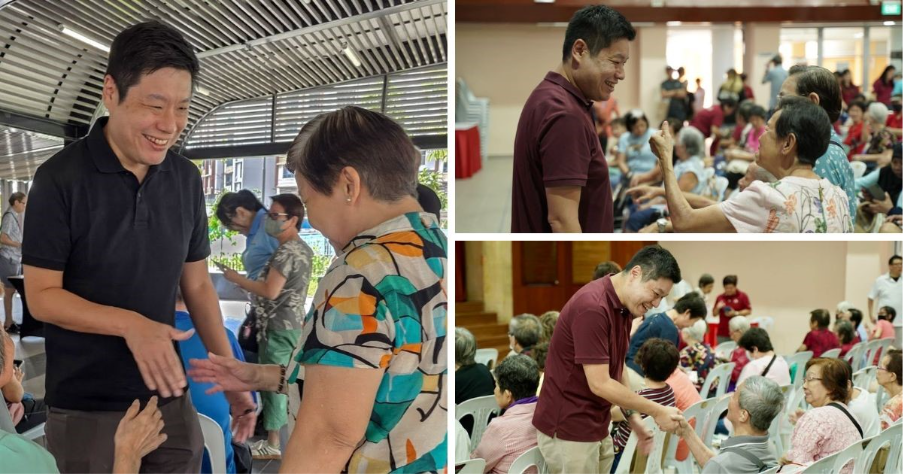
“You know, really looking at the lived experiences of the lower-income, seniors, and caregivers,” she said. “More support [must be] given, especially to seniors and families to basically cope with their healthcare needs, as well as healthcare costs.”
Mental health is the GPC’s second priority, and Ms Mariam believes it deserves equal importance as physical health.
“How can we reduce stigma and ensure mental health conditions don’t prevent people from getting insurance coverage?” she asked.
“There’s so much more we need to do as a society. Not just for the patients, but also the caregivers, and promoting [overall] wellbeing in the community as a whole.”
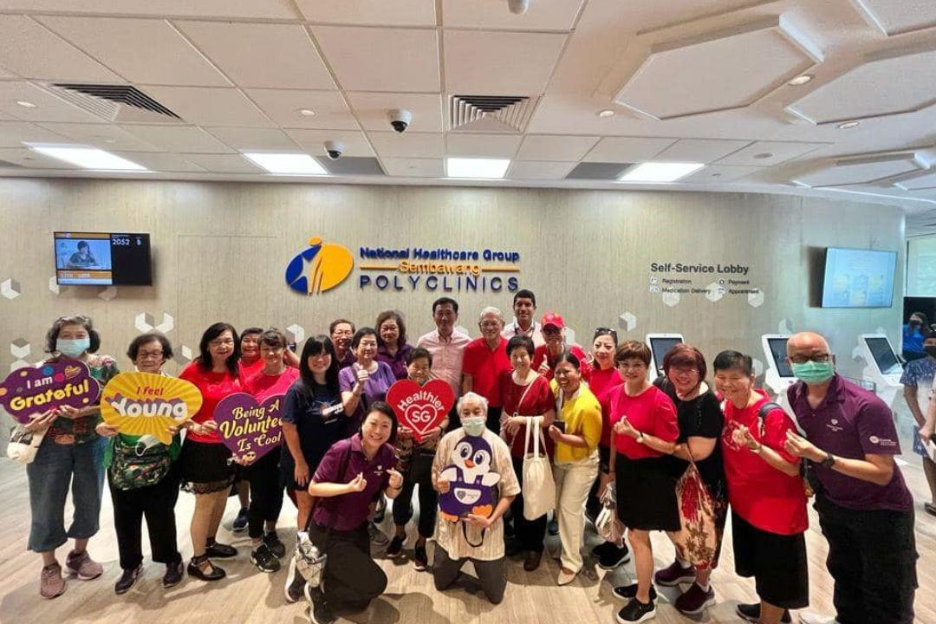
According to Ms Mariam, innovation is the GPC’s third key priority, particularly regarding healthcare technology.
“Technology and Artificial Intelligence (AI) is transforming so much of healthcare today,” she noted.
“So really thinking through, how can we make sure that our healthcare system is future-ready, but at the same time develops in a way that retains the trust of the people?”
Three challenges for the healthcare sector
On the challenges facing the healthcare sector, Ms Mariam summarised them using three ‘C’s: cost, culture, and capacity.
She noted as healthcare costs continue to rise, the financing of healthcare needs to evolve.
“I know we recently raised the Medisave limits, but you get the perennial questions. And you know, stories from residents on how they have money in their Medisave but cannot use it as much as they believe that they can in a sustainable way.”
Another key aspect is changing our culture, empowering individuals to take responsibility for their own health.
“It’s not something that comes naturally to us,” she noted. “You know in terms of societal stigma towards mental health. These are areas where we need to shift culturally as a society to address the healthcare challenges of today.”
The third challenge, capacity, involves having the manpower and resources to deliver healthcare services that meet quality standards while staying within cost constraints.
“Our healthcare professionals today are really stretched and exhausted. At the same time, demand [keeps] increasing. [They must] also adapt to new technologies. What does the healthcare workforce of the future really look like? [That is] a big challenge we need to address,” she added.
She met with her predecessor Dr Tan Wu Meng, and he shared advice on effective ways to engage with industry stakeholders.
The GPC brings residents lived experiences and the voice of expertise to Parliament: Mariam Jaafar
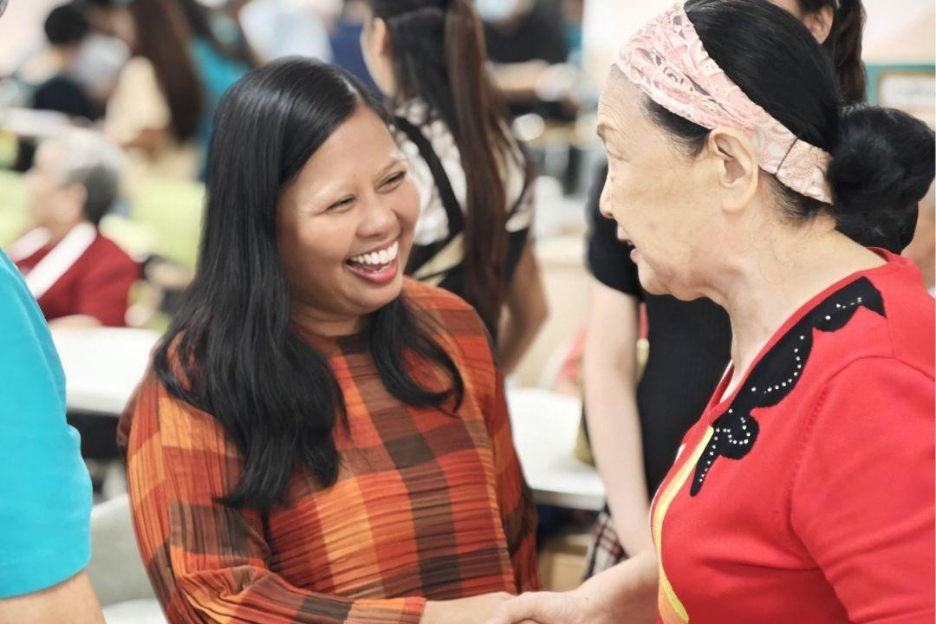
Ms Mariam said that chairing the Health GPC is both a big responsibility and privilege.
“Ultimately, it is all about love – our experiences, our loved ones, and ourselves are very deeply personal,” she said.
Ms Mariam stressed that the role of the GPC extends beyond scrutinising government policies and legislation.
“It’s easy to throw stones or raise issues. I want us to do more,” she explained. “First and foremost is to be the voice of the people, bringing our residents’ lived experiences into the debate.”
Equally important, she noted, is incorporating the voice of expertise. She hopes to engage deeply with the healthcare ecosystem, including medical and insurance professionals.
“How do we make sure that we bring together all the talent, diversity of opinions, and real expertise to make policies that don’t just sound nice, but actually work?”
She also sees the GPC’s role in connecting different types of data.
“It’s about connecting the lived experiences, data, and real expertise, and bringing all of that into any debate. And hopefully be able to ultimately improve healthcare for Singaporeans.”
| Mariam Jaafar: ‘Every S’porean child should have a fair shot at improving his life’ Ms Mariam shared that she joined politics to promote social mobility and support vulnerable families. She will continue to do so in the Social and Family Development GPC. She highlighted that equality goes beyond just income to include networks and mindset. These are areas where Singapore has made significant progress. The government must provide comprehensive support for vulnerable families, beyond helping with income, she noted. Describing social mobility as a ladder, Ms Mariam said the system must work for everyone, not just those already familiar with it. She highlighted the importance of providing support and encouragement, especially when people face setbacks, to prevent individuals from giving up. “We talk about a ladder. Some people have an escalator, while others have a few broken steps on the ladder or can’t even see the ladder,” she said. “So, it’s important to ensure that no matter where we start in life, every Singaporean child should have a fair shot at improving his or her life, improving the lives of his [or her] own family, and believing that ‘if you believe in yourself, if you work hard, stay humble, you know good things will follow.’” |