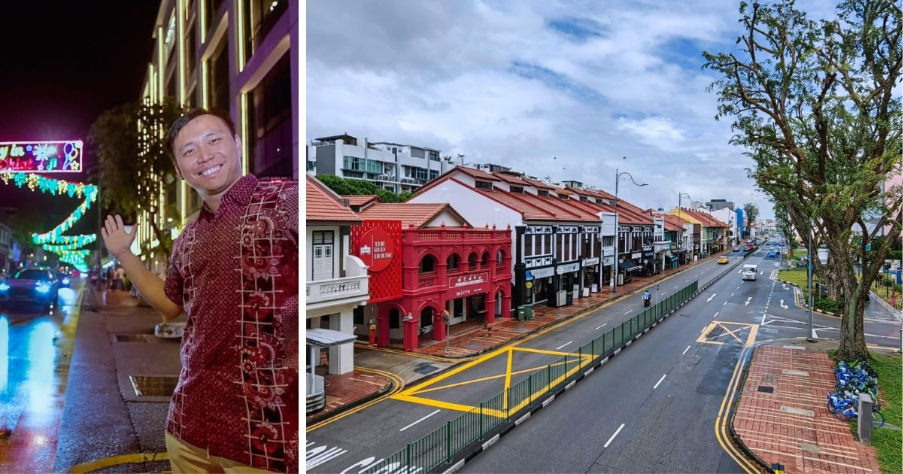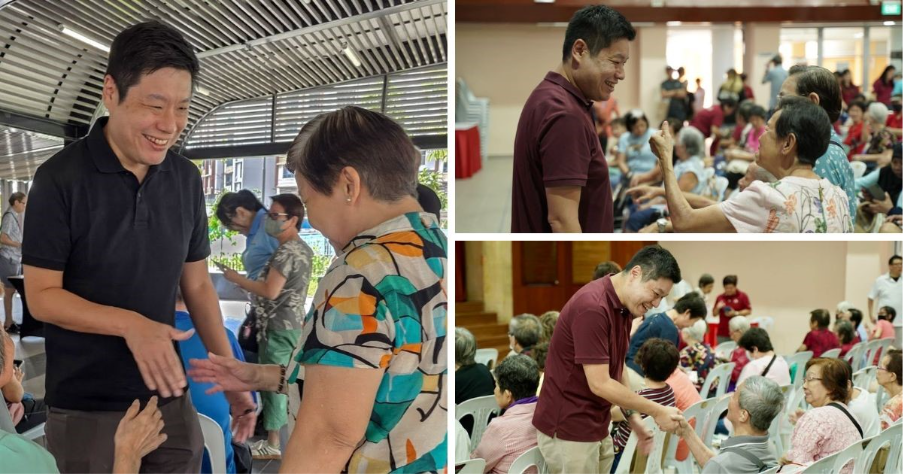
Foo Cexiang, MP for Tanjong Pagar GRC, wants his residents to be more informed and engaged in policy decisions.
His team partnered the Institute of Policy Studies to organise a policy workshop for his Tanjong Pagar-Tiong Bahru residents. This way, they can make suggestions about bills which MP Foo can help bring to Parliament.
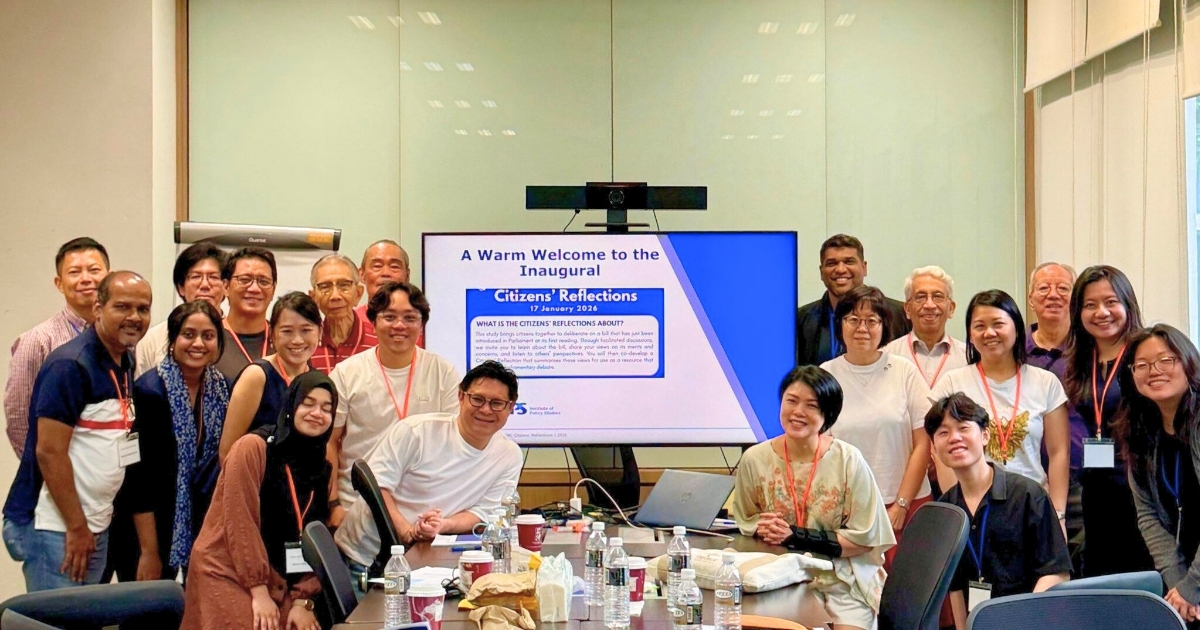
During the full-day session held on January 17, a diverse group of 15 residents engaged in a stimulating discussion on the active mobility segment of the Land Transport and Related Matters Bill.
Mr Foo provided the participants with insights on the parliamentary process, the bill’s procedures, and key segments of the legislation. Researchers from the IPS also let the participants understand the background of the bill and facilitated the discussion. The bill was debated and passed in Parliament on Tuesday, February 3.
Reflecting on his experience as a former civil servant, Mr Foo said that the government often conduct consultation on policy positions before the bill is drafted, but not on the legislative content of the bill. This exercise will allow views to be heard on the legislative content of the Bill.
“It is very useful for our residents, especially those with a keen interest to deeply engage with the legislation itself. This is why I decided to engage them on their views on the legislation, and for their views to be reflected in Parliament,” he told Petir.
“To ensure our residents’ views are represented in Parliament, it is important for them to have a deeper understanding of the parliamentary processes and the bills that we debate.”
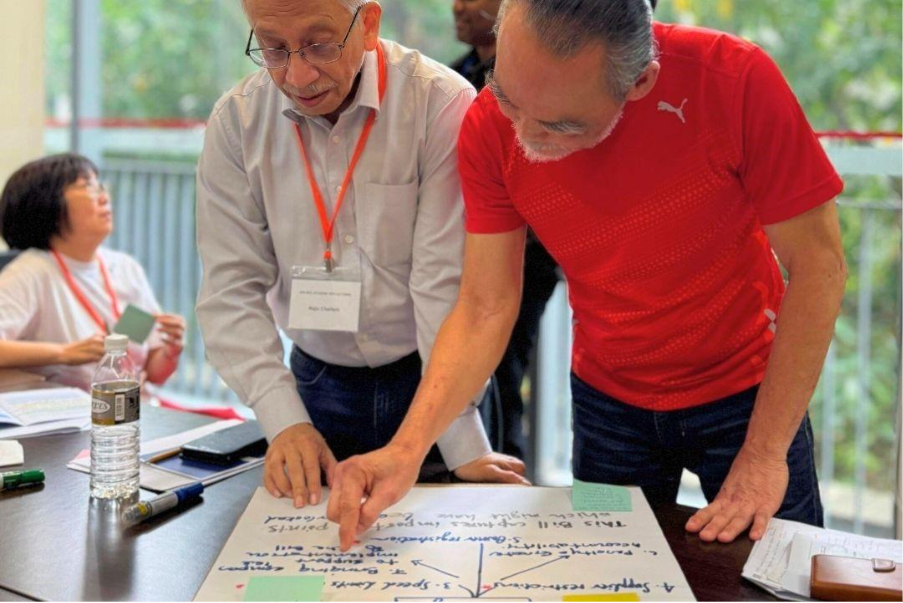
Participants then compiled a comprehensive 60-page report detailing their insights and recommendations, which Mr Foo incorporated in his speech in Parliament.
Among the many suggestions, the group proposed for the government to streamline the process of registering mobility vehicles to minimise inconveniences for users, as well as providing subsidies or grants to cover the registration and associated fees for those users facing financial challenges.
YP activist Razeena Sahrin: Excited to have our views directly represented in Parliament
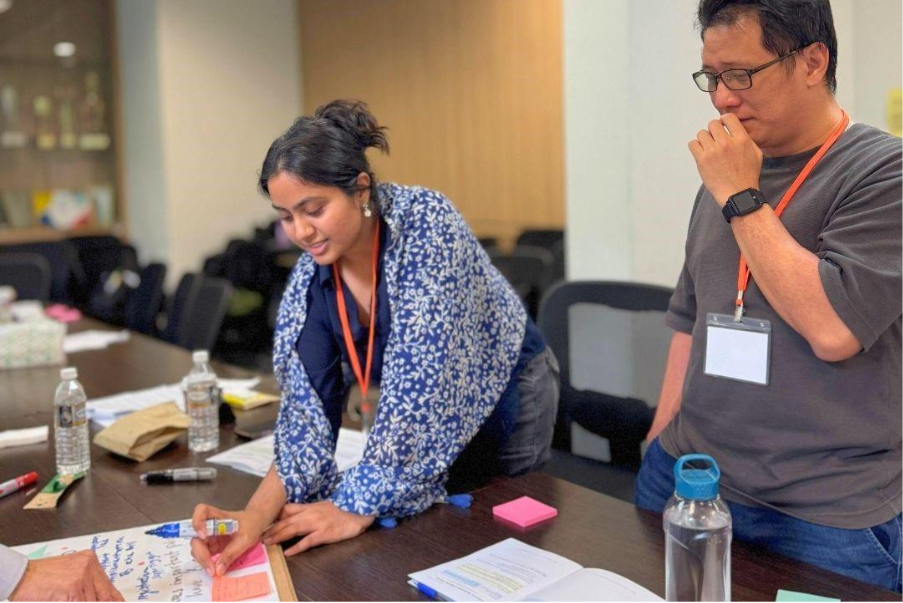
Razeena Sahrin, a Tanjong Pagar-Tiong Bahru resident and Young PAP activist, highlighted the importance of a community-based, participatory approach in policymaking.
“We have many feedback collection platforms like MPS, block visits, but what’s really unique about this platform is that all our views are very systematically captured in this document that participants co-created,” she explained.
“I thought the whole loop that Mr Foo created by getting feedback after the bill was initiated and then going to Parliament and seeing that our views projected. It’s truly inspiring and empowering.”
As a public health researcher, Ms Sahrin added that having people from different walks of life participating in different people from different walks of life that she is mindful and cognisant of how each individual’s life experiences can contribute to the little nuances in policy making, which might be left out.
“I was very interested to see how people from different walks of life perceive the active mobility bill, and what are some of the challenges that they perceive that I might never have thought about.”
Ms Sharin, who assisted in compiling the report, also said that the session served as a poignant reminder of the diversity of experiences shared by participants from various backgrounds. This included individuals in the nascent stages of their careers and others who were over 60 years old.
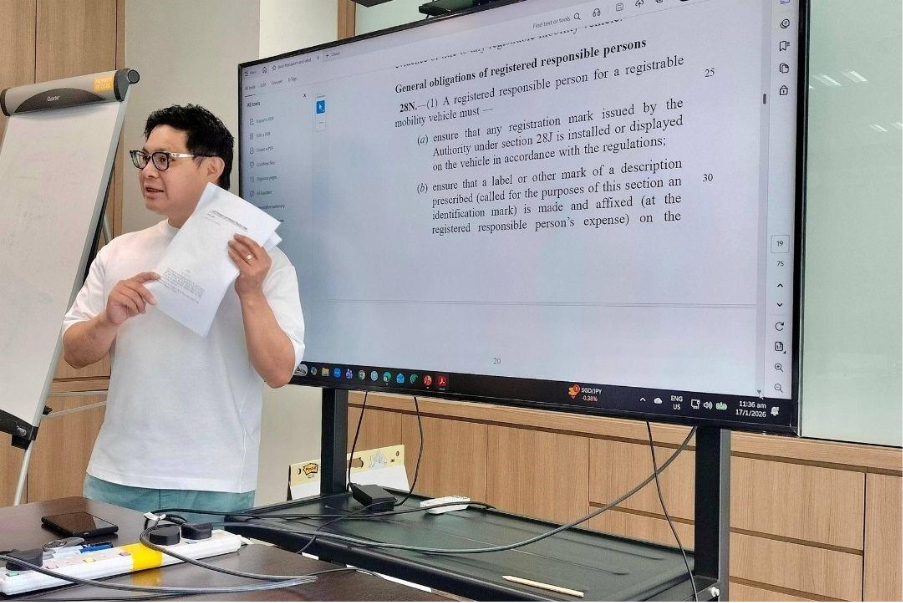
Mr Foo, who is also a member of the Government Parliamentary Committee of National Development, and Sustainability and the Environment said that he would continue to actively engage his residents.
“I will continue to engage residents in a variety of platforms, sharing with them the fundamental processes, working through in depth with them on other bills, so that together, we can build more informed and more engaged citizenry in Tanjong Pagar-Tiong Bahru.”