Barely a few years out of a global pandemic, the world is now facing another crisis.
The Straits of Hormuz, a major shipping route through which a fifth of the world’s oil and gas supply passes, remains closed due to the conflict in the Middle East.
As supply dwindles and gas prices rise, many countries are feeling the heat. Some have had to ration fuel in the face of an energy crunch that threatens to disrupt transport, communication and industries. Others have even declared a state of national emergency.
In Singapore, the mood is calm. For that, we have our forward-planning policies to thank for cushioning us from the impact.
How Singapore stays energy secure
From the 90s and into the 2000s, Singapore switched to natural gas as its primary source of electricity generation. The reason was twofold. Not only does natural gas produce less carbon, making it a cleaner source of energy, but it also allows us to reduce our dependence on oil, the bulk of which comes from the Middle East.
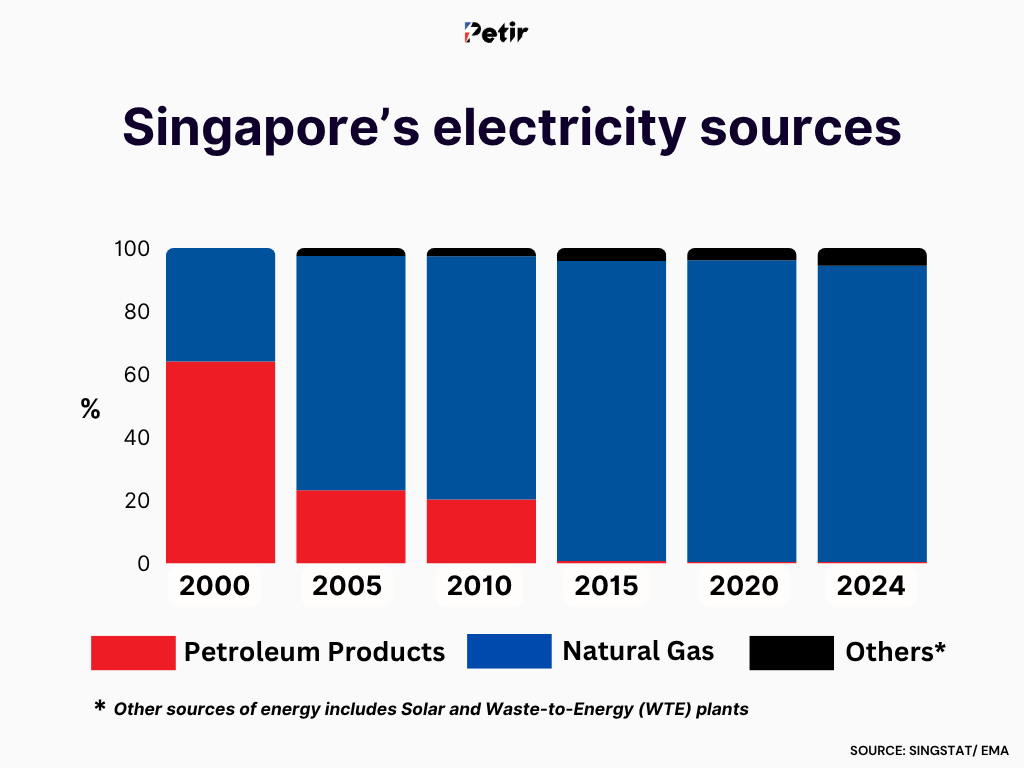
Within a decade, natural gas overtook oil as our main energy source (Fig 1), delivered via pipelines from Malaysia and Indonesia. However, this did not fully resolve Singapore’s energy resilience, with the switch from oil to gas shifting our dependence from one region to another.
The government moved to create greater resilience in our energy supplies by building a Liquefied Natural Gas (LNG) terminal on Jurong Island in 2006. Even when the Global Financial Crisis, and subsequent economic downturn threatened to delay the project, the government decided that pushing ahead would be in Singapore’s best interest, and took over the project.
“The LNG terminal is needed for the security and reliability of our future gas supply. To ensure the timely completion of the terminal…it is necessary for the Government to take over the development,” said then-EMA chief and current Prime Minister Lawrence Wong.
This decision would play a critical role in our energy security, and its ramifications are now being felt.
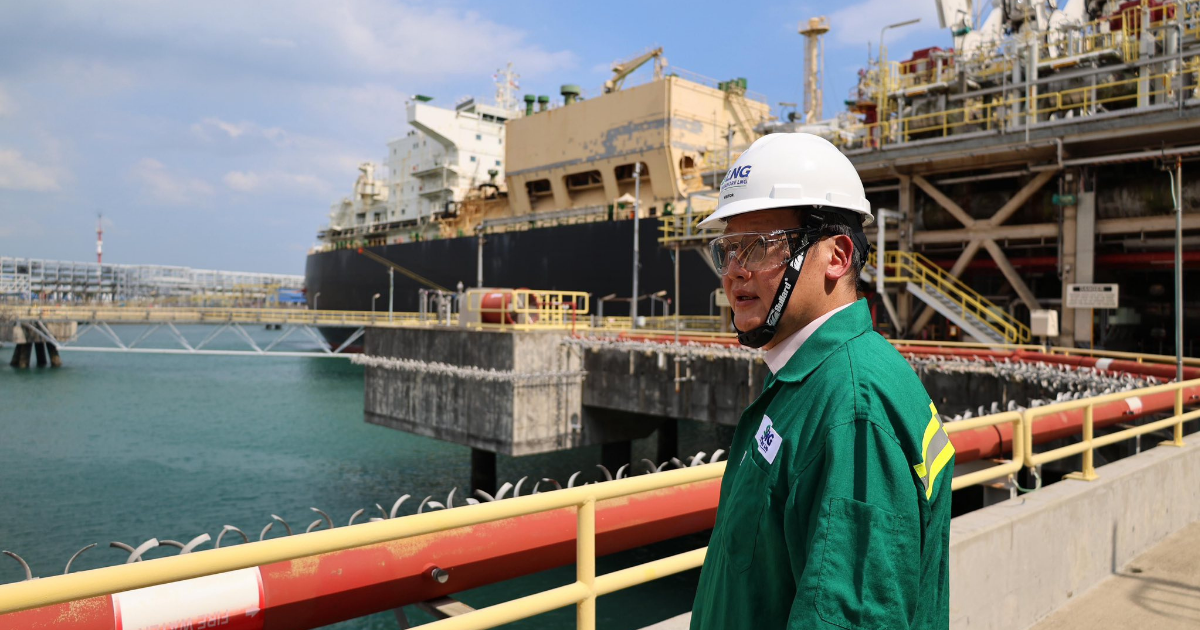
In May 2013, Singapore’s first LNG terminal began operations. With four storage tanks on site, the terminal supplies nearly 50% of Singapore’s total gas demand. If required, it can also support all our power generation needs.
With infrastructure that ensures steady LNG supply, we are able to secure energy supplies from across the world.
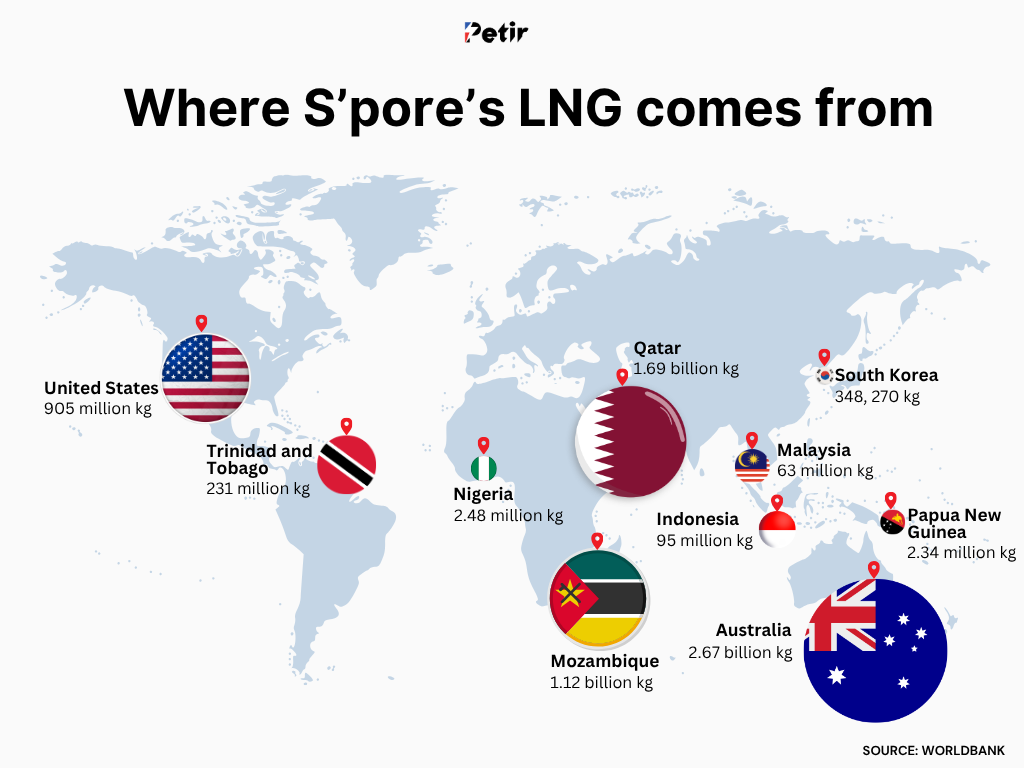
Besides piped gas from our neighbours, Singapore also buys gas from many other territories. Over the years, it has inked deals with Australia, Qatar, Mozambique and the US, to diversify our gas supply (Fig. 2).
On top of that, a second LNG terminal is in the works. Due to be completed by 2030, the project will expand our capacity to import and store LNG. And in doing so, add another layer of protection to our energy security.
Diplomacy in the time of crises
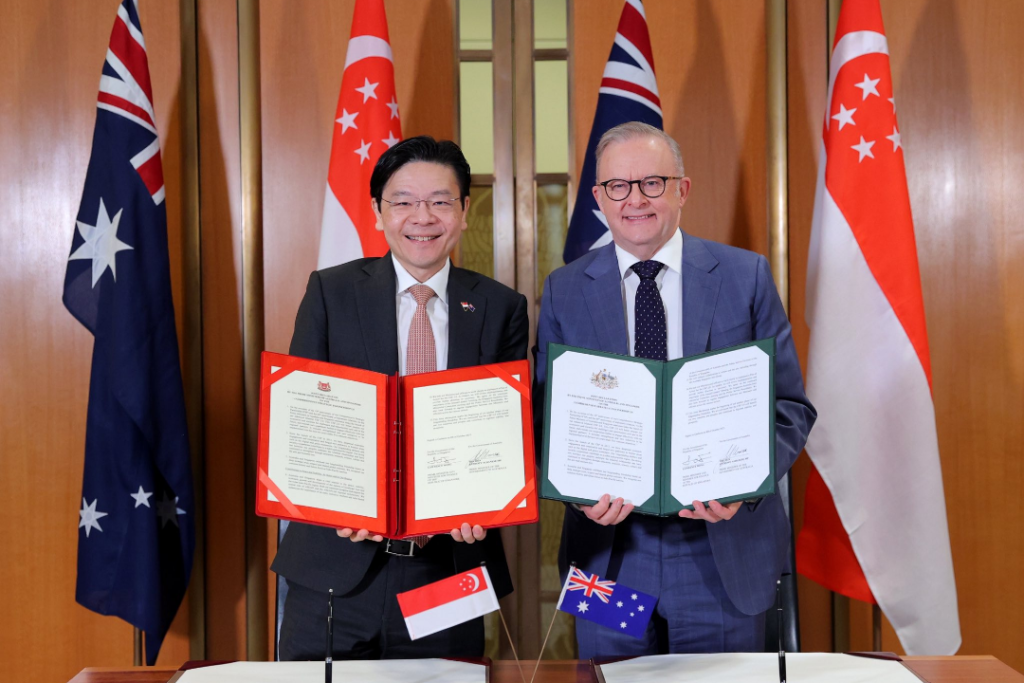
Behind the scenes, the government has been taking active steps to strengthen Singapore’s energy and supply chain. Trusted partnerships with like-minded countries play an important role in such times of crisis.
In a joint statement (Mar 23), PM Wong and his Australian counterpart, Anthony Albanese, pledged to keep supplies of fuel flowing, which has helped assuage fears of an energy crisis in both countries.
PM Wong has also spoken to the leaders of New Zealand and Malaysia, pledging to work closely to ensure that supply chains for food and other essentials remain open during crises.
Altogether, this is a strong, principled example of countries working together to maintain global rules-based trade in a more fractious, fragmented world.
Singapore Gas Co is a lesson from previous crisis
In a move that speaks less of fortuitousness, and more of foresight, the government set up Singapore GasCo last year to centralise procurement and supply of gas for the power sector.
GasCo is prepared to buy additional LNG cargoes as needed, said Minister-in-charge of Energy and Science & Technology Dr Tan See Leng.
Why did we set up Singapore GasCo? Those with longer memories will recall the energy crisis of 2021-2022.
During the energy crunch, exacerbated by the Ukraine-Russia war, global gas prices suddenly spiked higher. This caused several retail electricity providers in Singapore to exit the market. The ones that remain faced immense financial strain.
We learned lessons from that crisis, and Singapore GasCo was introduced by then Minister for Trade and Industry, Gan Kim Yong, as a response.
GasCo has a national mandate of stability. They diversify Singapore’s gas sources. This reduces the risk of relying too heavily on any single pipeline or supplier.
GasCo can also enter into longer-term contracts, up to 15 years, that individual companies might find too risky to hold on their private balance sheets.
For Singapore, the immediate challenge is finding alternative LNG sources to fill the supply gap disrupted by the closure of Hormuz.
Nobody knows how the crisis in the Middle East will play out. The prolonged closure of the Strait of Hormuz remains a possibility. We cannot assume that shipping routes will always be safe and open.
Just like in 2023, DPM Gan, the taskforce man, will also bring his institutional understanding of the energy issues involved to a new committee.
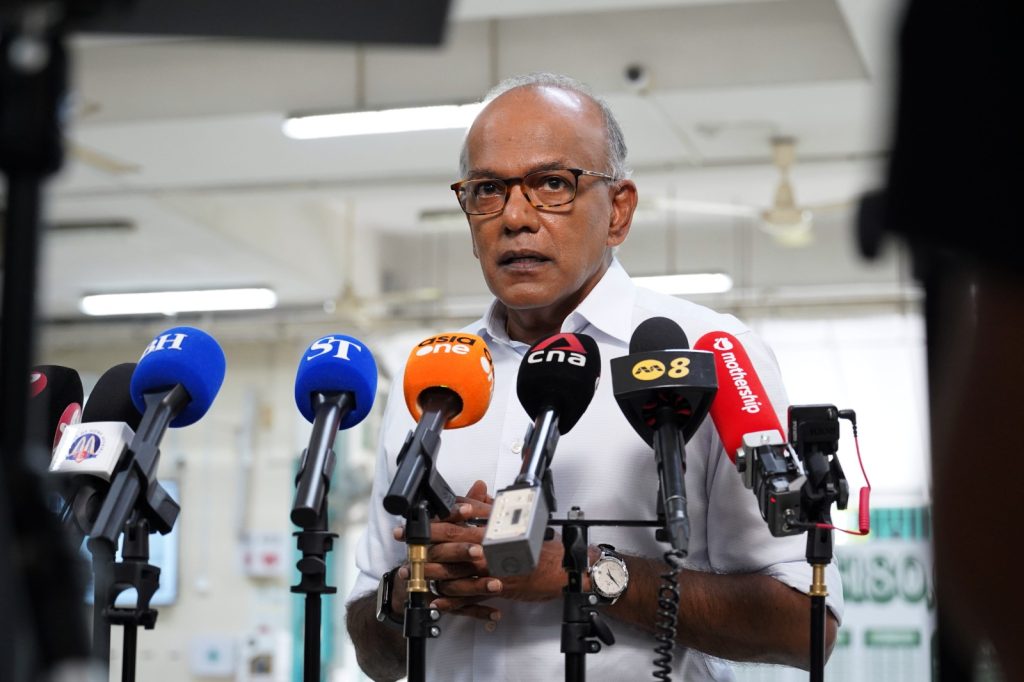
The government has established a Homefront Crisis Ministerial Committee to develop new contingency plans which will help Singapore weather the storm.
Coordinating Minister for National Security K Shanmugam will chair the committee, and Deputy Prime Minister Gan Kim Yong will serve as adviser, said PM Wong.
This is what we Singaporeans, as a people, have always done well. While we cannot prevent crises from happening, we always learn from these setbacks, to position ourselves better when the next crisis occurs.
A strong fiscal buffer to manage disruptions
With LNG supply tightening, countries will need to pay higher prices to secure the energy they need. Fortunately for Singapore, healthy reserves, built up over decades, have given us the fiscal prowess to do so.
“Singapore is fortunate that we have got some fiscal buffers. For most countries, they spend a significant chunk, sometimes up to 3% of GDP, servicing debt.
“For us, it is a complete reverse. We are collecting dividends on our reserves,” said Foreign Minister Dr Vivian Balakrishnan during an interview with Reuters.
Once again, this underscores the importance of our reserves in protecting lives and livelihoods. Our reserves, saved up for rainy days such as this, ensure that Singapore is not priced out of the energy market and into a fuel crisis.
It is therefore ironic that, barely a month ago, the PAP government came under sustained attack in Parliament for its poor ‘fiscal marksmanship’.
That attack has now flipped into a call for us to reveal our full strategic fuel stockpile, in the name of ‘transparency’. How that will help us negotiate better rates for energy supplies, for example, is something that Opposition critics have not explained.
“You may recall that one of the criticisms levelled at us in the recent Budget debate was our surplus that was unexpectedly high,” said Dr Balakrishnan.
He continued, “At a time like this, we should all be thankful that the Finance Minister, who happens to be our Prime Minister, has a few cards up his sleeve.”
From the 2008 Financial Crisis to the Covid-19 pandemic, to today’s energy crunch, Singapore’s fiscal conservatism has been the buffer we need to save the day.
“Sound finances, diversified supply chains, a strong tripartite partnership, and a cohesive society. They are what will carry us through,” said PM Wong.
With a responsible and forward-looking government, Singaporeans can rest assured that the lights will continue to shine on our little red dot, powered by clean, safe and reliable energy.