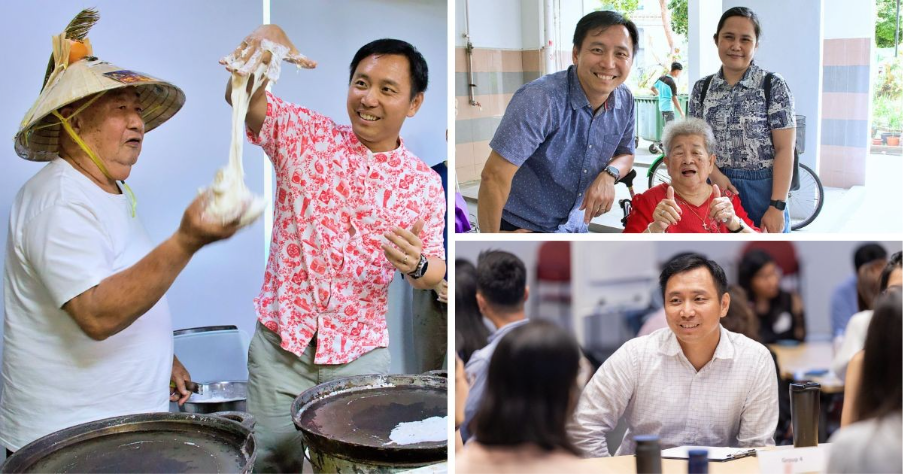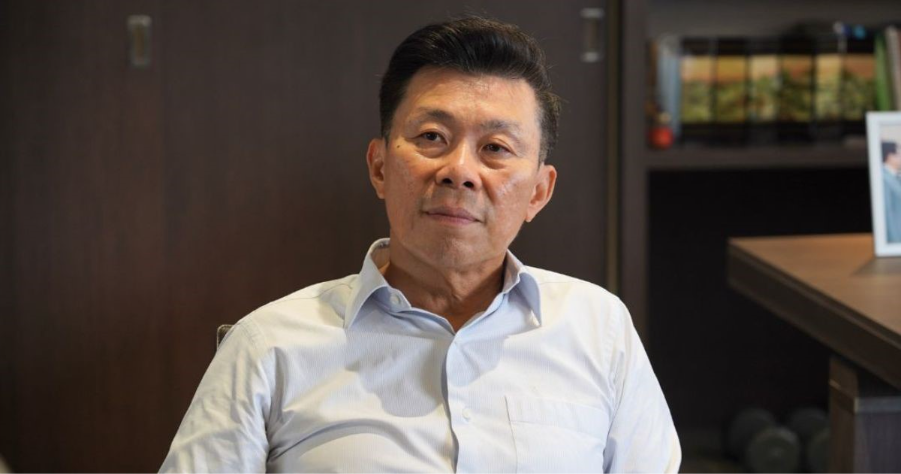
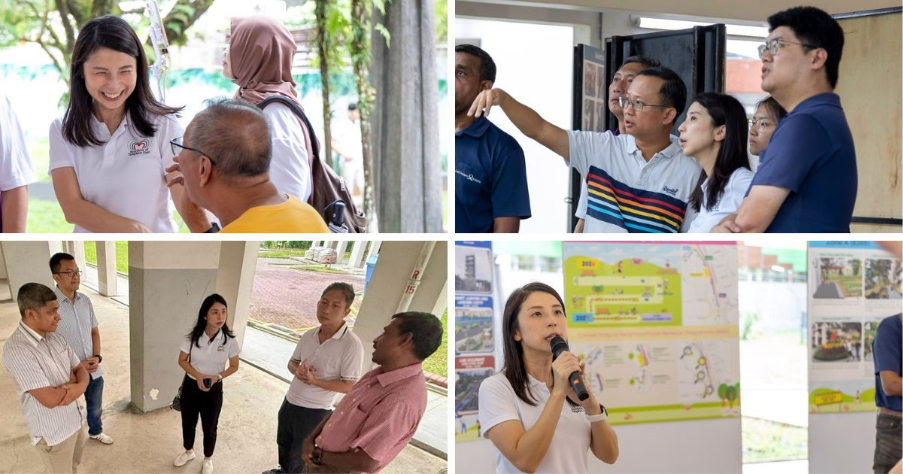
Having empathy when residents are faced with complex issues, is key to helping them resolve their problems, says Charlene Chen, MP for Tampines GRC. Getting external stakeholders to adopt this mindset is also important to finding solutions that endure.
In an interview with Petir, Dr Chen, who oversees the Tampines East constituency described the challenge of helping residents solve complex issues that do not have easy solutions.
In one case, she noted that residents living in blocks along the Tampines Expressway face traffic noise late into the night.
“After investigation, we identified the main source of the noise issues. Most of the problem stems from foreign motorcyclists. We can’t change that overnight,” she said. “So, I’ve asked whether we can tighten enforcement at the border regarding noise violations.”
“This takes time, but residents live with this daily. Their sleep is affected, their children become irritable, and parents feel stressed and worried. It’s a real issue, and I truly empathise with them,” she added.
Dr Chen and her grassroots team brainstormed with different groups like the Traffic Police, Land Transport Authority and National Environment Agency to explore solutions.
They include expediting noise-reducing road surfaces and talking to companies about vehicle noise emissions from their foreign employees.
“When things don’t work out, I have the responsibility to explain the complexities to residents in a way they can understand and appreciate,” Dr Chen said.
“When residents don’t see visible results, they may feel that nothing is being done. This is difficult for everyone involved. As these issues affect their daily lives, outcomes matter greatly and without visible progress, it is natural for them to feel that the authorities are not taking action.”
Dr Chen said that civil servants from agencies and ministries work hard to try and resolve these issues.
“However, there may be times when gaps in enforcement or legislation allow issues to fall through the cracks,” she noted, adding that she raises these concerns in Parliament to seek broader solutions.
She also emphasised that collaboration with authorities is often more effective than antagonism.
“We get the authorities onboard.When they empathise with residents, they are more willing to do their best, rather than feeling pressured or criticised. This spirit of collaboration is important,” she said.
As an MP, Dr Chen added that she has a duty to “exhaust all means” to ensure residents “feel heard and know they are not facing these challenges alone”.
“Many issues require multiple, coordinated solutions,” she said. “We must continue to show empathy, listen to and care for those who face these challenges every day.”
Growing into the role
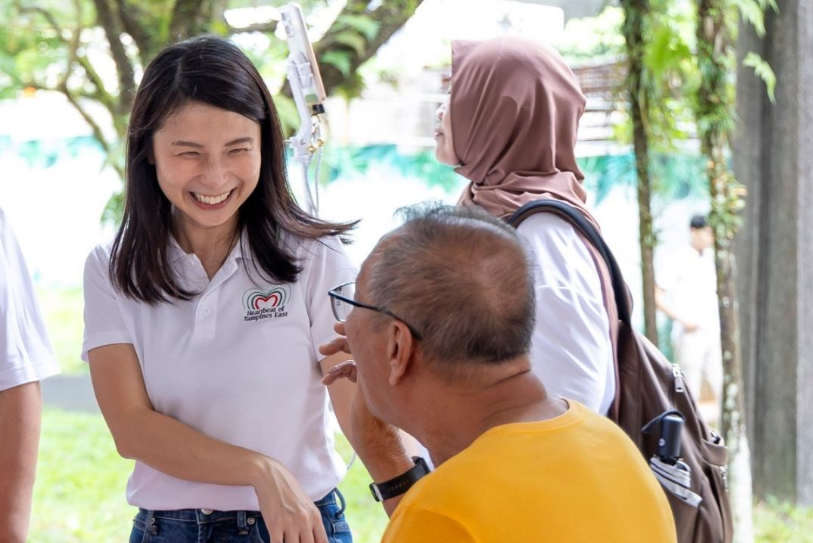
After a year of serving as an MP, Dr Chen reflected on how the role has deepened her resilience and sense of purpose.
“As someone who became a public figure, there is naturally greater scrutiny and expectation,” she said. “It’s something you don’t experience as a private citizen. But over time, you come to appreciate the responsibility that comes with the role.”
Dr Chen shared that during tea sessions before she stood as a candidate in the 2025 General Election, she asked political office holders what kept them awake at night. All shared a common concern: Singapore’s long-term survival.
“As a private citizen, your concern is often on your own life,” she said.“But as an elected representative, your circle of care expands. You think about your residents, the nation, and long-term challenges such as our total fertility rate and broader existential issues.”
“We must constantly think about how we can support the government in addressing and mitigating these challenges.”
Residents’ mental wellbeing is a key focus
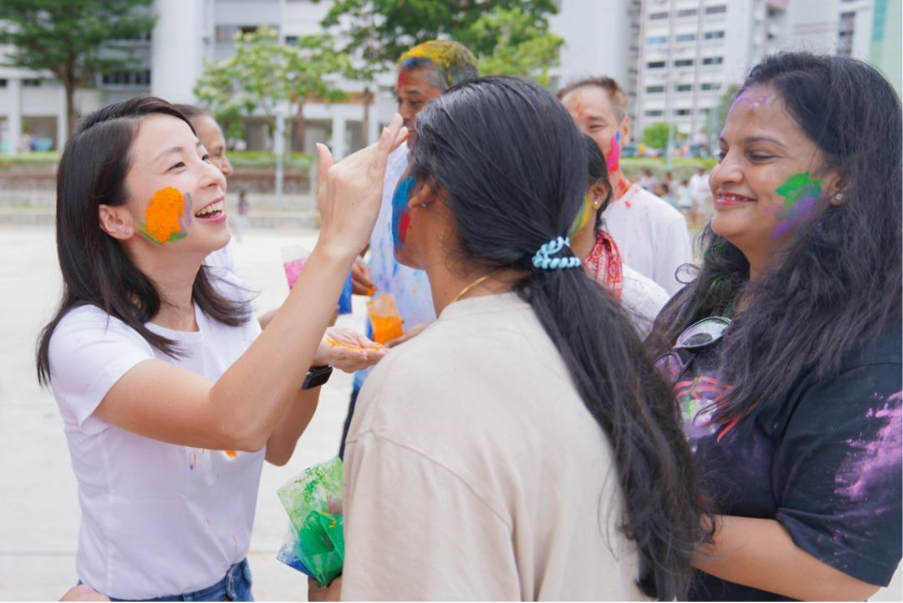
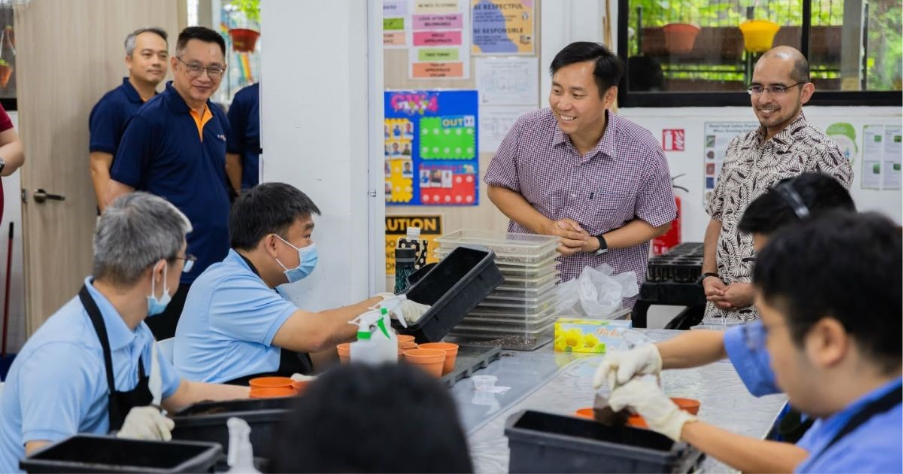
A key part of being on the ground and serving residents means having a strong focus on their mental wellbeing.
“Cost of living pressures, living conditions, parenting stress, job insecurity and municipal issues, all these ultimately impact mental wellbeing,” she said.
“As a psychologist, it is important for me to focus on how we can strengthen mental wellness. When resilience is built, mental wellbeing improves. When individuals feel a strong sense of cultural identity and pride, mental wellbeing improves. And when we take ownership of our environment and live in clean, pleasant spaces, mental wellbeing improves.”