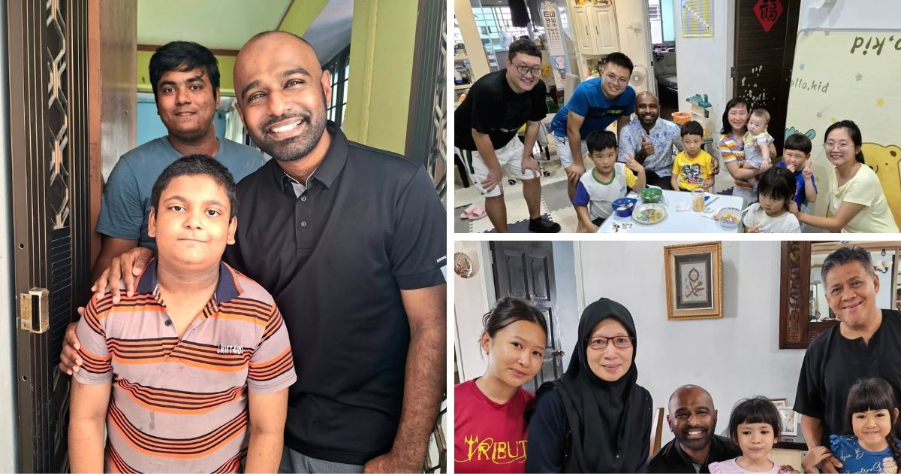
As children spend more time indoors and on devices, Dr Hamid Razak, MP for West Coast-Jurong West GRC has launched a new initiative to encourage young residents to step outside, engage with their community and see their neighbourhood through fresh eyes. He wants children and families to rediscover the people, places, and stories that make up their neighbourhood.
Known as the Community Explorer Programme, the initiative invites children in Jurong Spring-Gek Poh to complete simple missions and activities that help them discover the people, places and stories around them.
For Dr Hamid, the inspiration came from a conversation with a parent at a community Halloween event last year.
“The parent thanked us for organising programmes for children and shared how difficult it can be to find meaningful activities that bring families together,” he recalled.
“What struck me was that these programmes were not only valuable for the children. They also gave parents a chance to connect with one another and with the community.”
That conversation sparked a broader question: How do we help young people feel a sense of ownership and belonging in the place they call home?
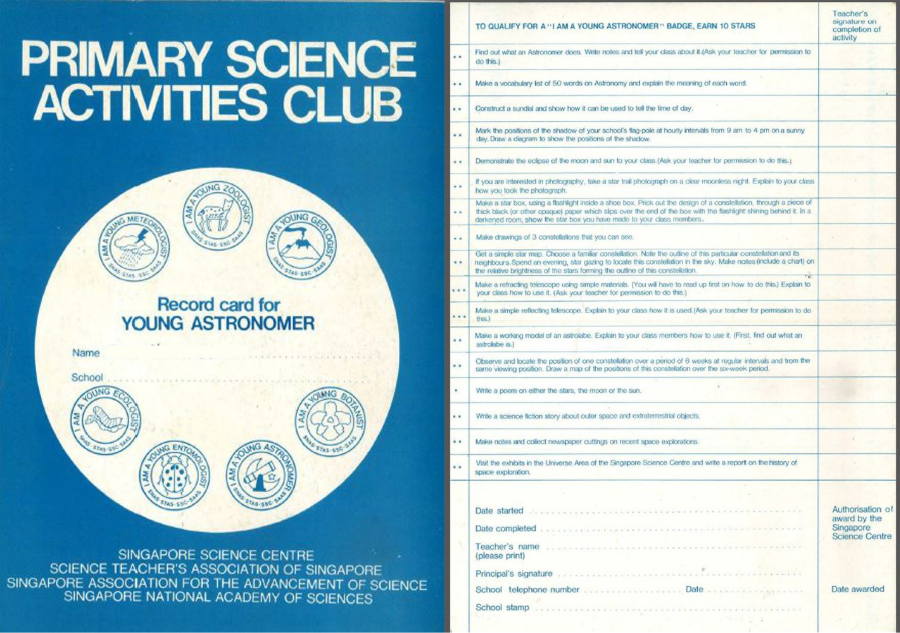
The answer came from an unlikely source. Remember the Young Scientist Badge programme that many Singaporeans grew up with in the 1980s?
“I have fond memories of programmes that encouraged us to learn by doing,” Dr Hamid said. “The badge was never really the point. The real value was the sense of curiosity, discovery and achievement that came with it.”
The Community Explorer Programme adopts a similar spirit. Children can complete activities at their own pace, earn badges and document their experiences along the way.
But beyond the badges, the programme aims to help young people connect with the community around them.
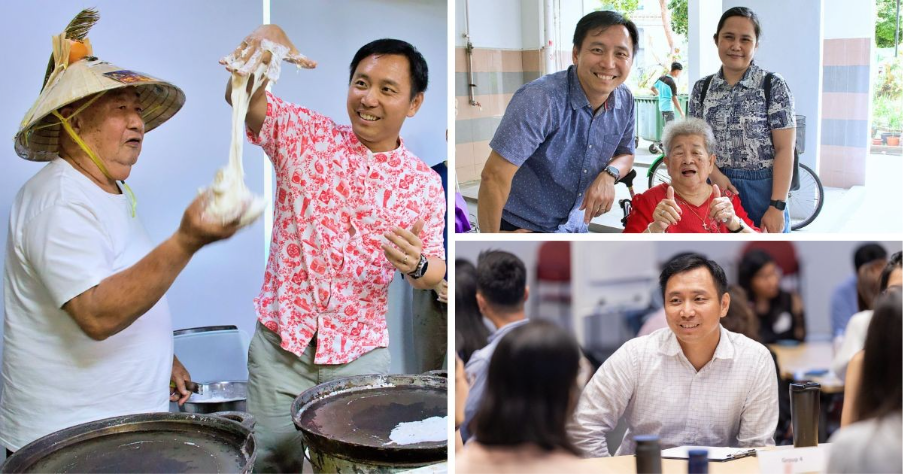
One activity may involve speaking to a hawker about the challenges of running a small business. Another may encourage children to learn about their neighbours, explore community spaces or discover hidden stories within the estate.
“We want our young residents to understand that a neighbourhood is more than just blocks and facilities,” Dr Hamid said. “It is made up of people, relationships and shared experiences.”
The programme also seeks& to develop important life skills such as communication, empathy, observation and reflection.
“Many young people today are very comfortable interacting online, but there is still tremendous value in learning how to have conversations with people from different backgrounds and generations,” he added.
“Through these activities, they learn to listen, ask questions, reflect on what they have heard and appreciate perspectives different from their own.”
The programme will be launched after the June school holidays and will be open to all children in Jurong Spring-Gek Poh.
“My hope is simple,” said Dr Hamid. “I hope parents and children will spend time together exploring the gems and jewels in our community. There are so many inspiring people and stories right outside our doorstep if we take the time to discover them.”
Building programmes, not just events
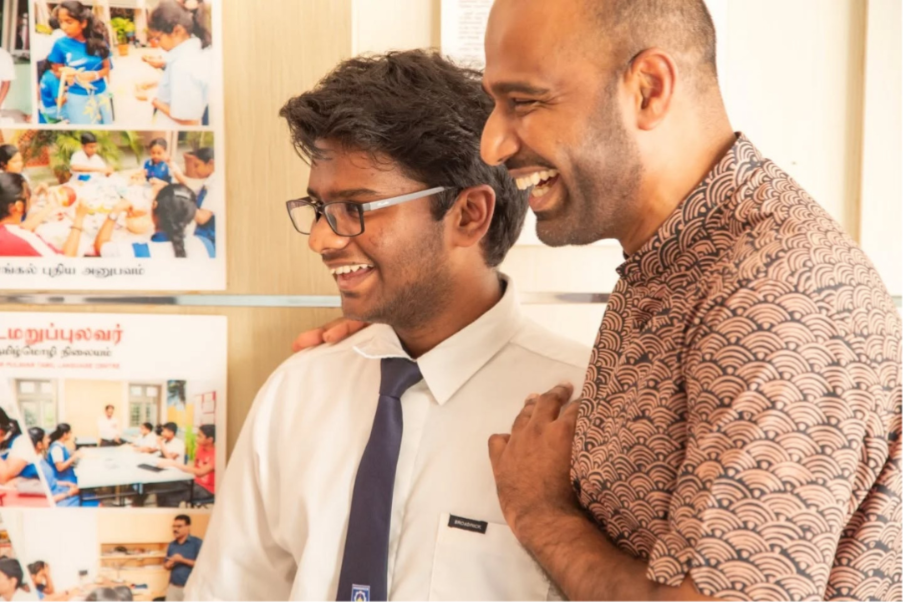
Since entering Parliament, Dr Hamid has focused on creating long-term community initiatives rather than one-off activities.
“I don’t just want to organise events,” he said. “I want us to think programmatically. What are the challenges residents face, and how can we build sustainable community-led solutions around them?”
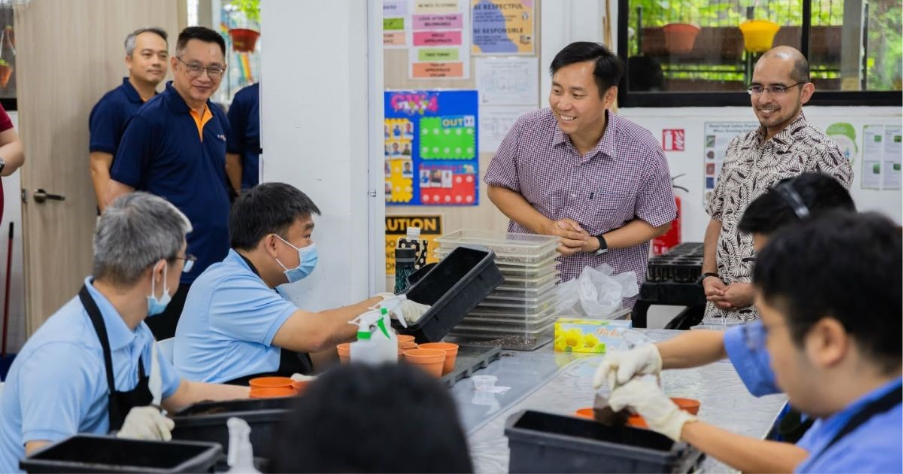
To this end, he established two volunteer task forces: one focuses on health and healthy living, and another focuses on youth development.
The Community Explorer Programme is the first major initiative to emerge from the children and young people task force.
It builds on Dr Hamid’s earlier work through the Happy Kids programme, a volunteer-led literacy and numeracy initiative that supports preschool children from disadvantaged families.
“We have teachers who volunteer their time every month because they believe every child deserves a good start in life,” he said. “When residents step forward to help one another, that is community at its best.”
From community participation to civic participation
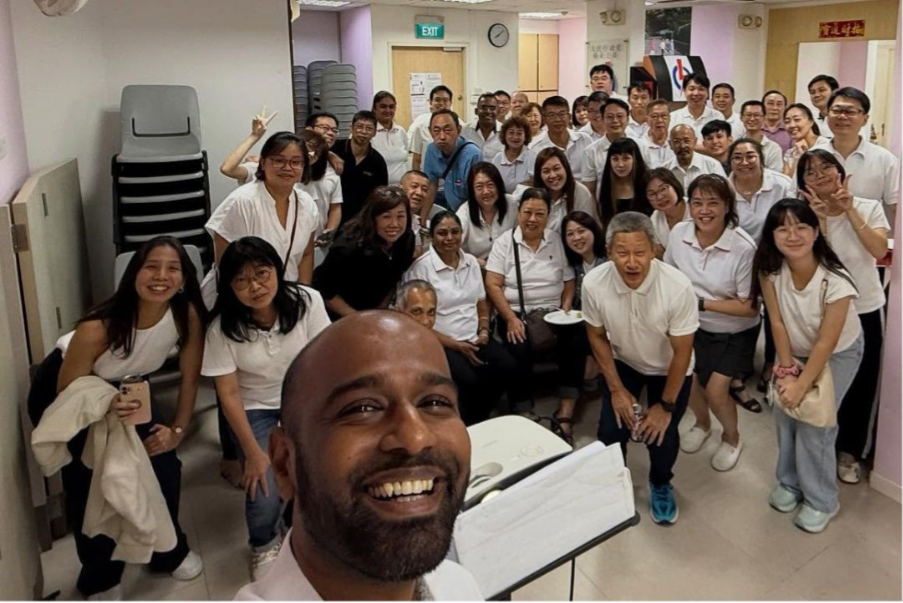
Looking ahead, Dr Hamid hopes to deepen young people’s involvement beyond volunteering and community activities.
He plans to hold regular policy dialogues with youth volunteers involved in grassroots work and Meet-the-People Sessions.
“When young people encounter real cases and real challenges, it naturally raises questions about policies and systems,” he said.
“I want them to think critically. Why does a policy exist? What trade-offs are involved? What are we missing? Sometimes I will challenge their views. Sometimes they will challenge mine,” he added.
Dr Hamid views these conversations as an important form of civic participation.
“As parliamentarians, we do not have a monopoly on good ideas. Residents often see things that we do not. Their lived experiences help us identify blind spots and understand how policies play out on the ground.”
Ultimately, he hopes to nurture a generation that is not only engaged in community life but also invested in shaping Singapore’s future.
“A strong society is not built by government alone. It is built when citizens care enough to participate, contribute ideas and work together to solve problems.”
“And that journey often starts with something very simple, being curious about the community around you.”