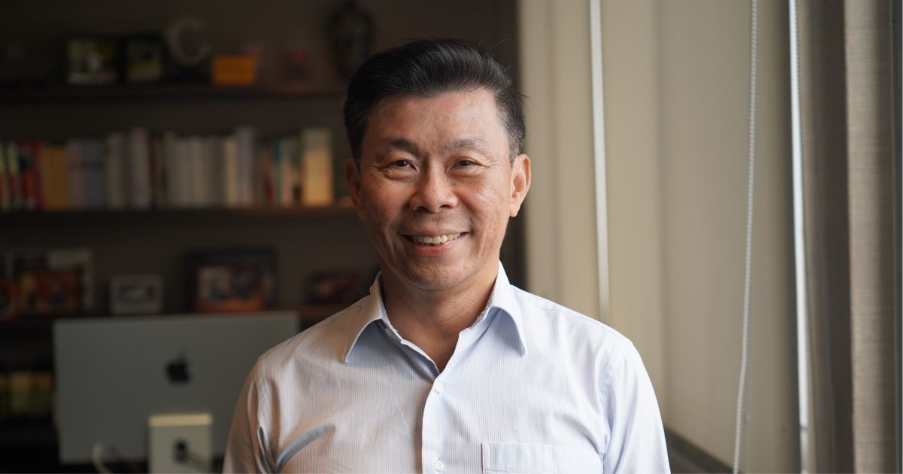
In the early 2000s, Bedok town centre had no air-conditioned restaurants. Residents who wanted to celebrate a birthday in comfort had to travel to either Parkway Parade or Tampines Mall.
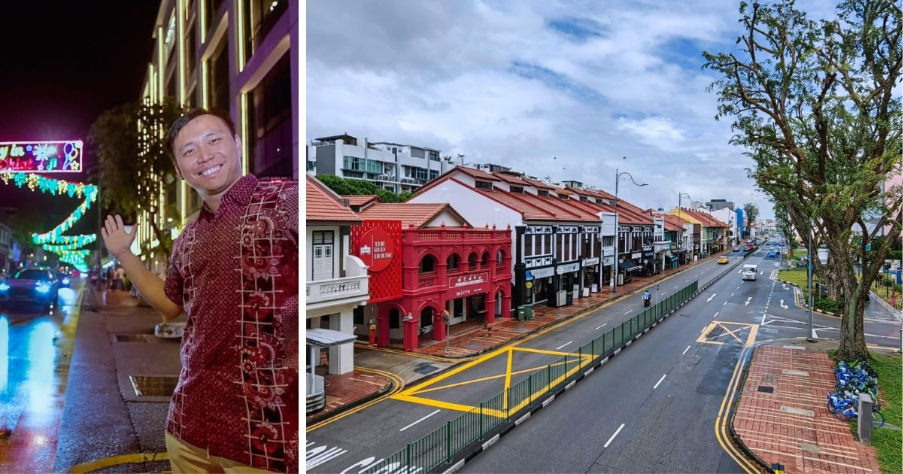
Lee Yi Shyan, former Member of Parliament, recounted what Bedok town centre looked like when he first started to serve at Kampong Chai Chee within East Coast GRC in 2006.
“A that time, the town centre featured only low-rise buildings and had no shopping mall. Things were more spread out, and the pace of life was slower. Residents had access to certain amenities, but lacked many others,” he said.
“When I went there, Bedok town was nearly 40 years old. The town had been built on certain assumptions to cater to people with a certain lifestyle.”
Mr Lee entered politics in 2006 after stepping down as chief executive of International Enterprise Singapore.
Appointed Minister of State for Trade and Industry after the general election, he later took on an additional portfolio as Minister of State for Manpower. He was subsequently promoted to Senior Minister of State for Trade and Industry and National Development.
However, after suffering a minor stroke in May 2015, he returned to the backbench.
He served as MP for 14 years before he retired from politics ahead of the 2020 General Election.
Mr Lee recounted that he wanted to determine how best to serve residents beyond handling municipal issues after settling into his role as a first-term MP.
“I started working on the idea that we should modernise this entire place to bring it up to speed,” he shared.
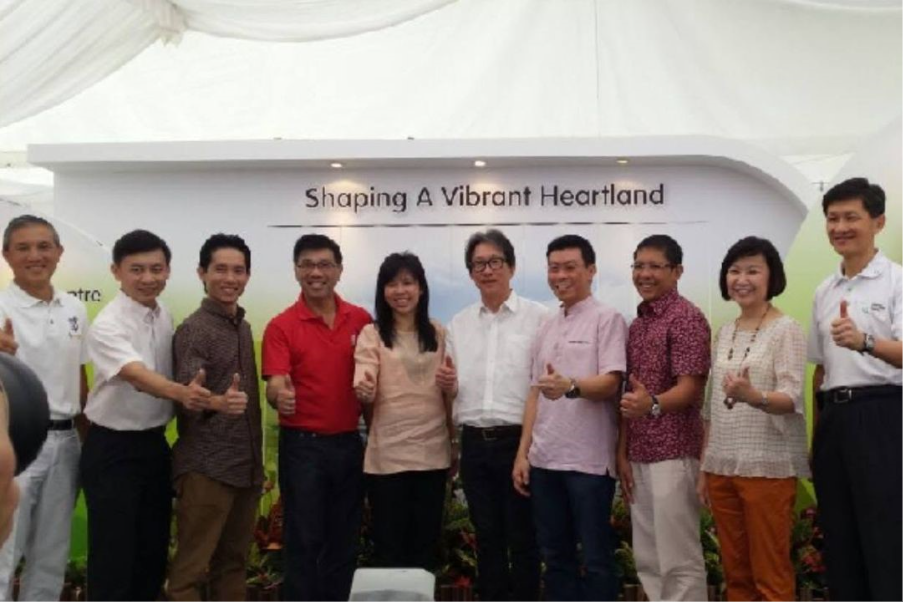
In 2007, then-Prime Minister Lee Hsien Loong announced the Remaking Our Heartland initiative to rejuvenate residential towns and public housing. East Coast joined the programme in 2011.
Several new installations opened between 2014 and 2018. The surface bus interchange became a basement facility integrated with Bedok Mall and connected to Bedok MRT station in 2014, while anew Bedok Interchange Hawker Centre opened in February 2015.
“The hawker centre is huge, with some of the largest fans you’ll find anywhere. We attract diners from Tampines, Marine Parade, and beyond—people who take the train specifically to eat here,” Mr Lee said.
In May 2016, the Bedok Town Centre’s pedestrian mall was revamped with wheelchair-friendly ramps, new benches, improved lighting and enhanced landscaping.
Then-Minister for National Development Lawrence Wong (now Prime Minister) opened Bedok Town Square in May 2016. The integrated community hub Heartbeat@Bedok followed in 2018.
Mr Lee said the Bedok Town Centre transformed within just five years.
Lee Yi Shyan: ‘Juggling multiple roles was demanding on my time’
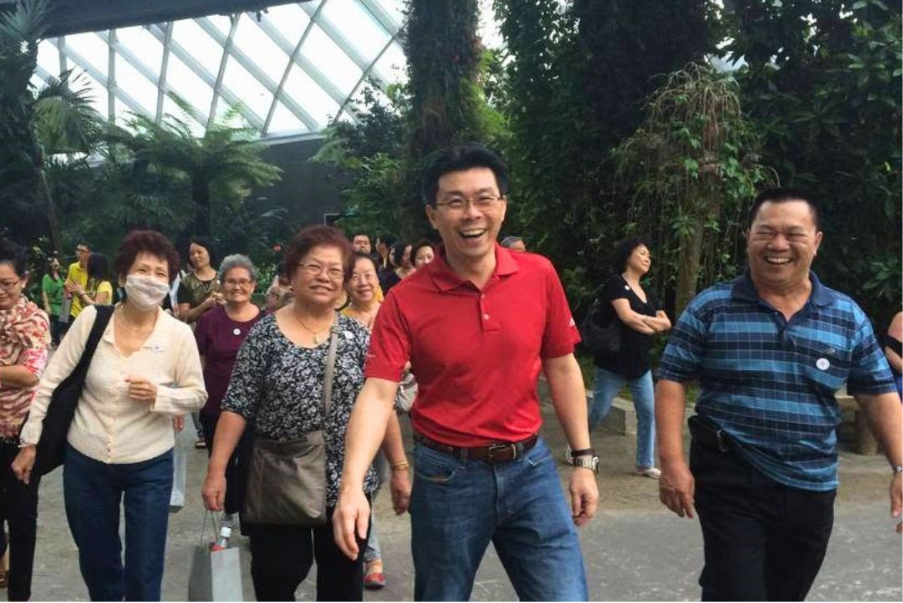
When asked about his challenges as an MP, Mr Lee said he had to familiarise himself with the political party, the grassroots organisations, and the constituency.
“I grew up in Thomson-Toa Payoh, so Bedok seemed very far away. When I had classmates from that part of Singapore, I thought, wow, you live so far away,” Mr Lee recounted.
“Here I am in Bedok now. Every time I drove to a grassroots event, my grassroots leaders would call and ask, ‘Do you know which block you’re at? It’s not the same as last week.’ Every block looked the same to me. I had to figure it out along the way.”
However, he interacted easily with his residents, hawkers, and grassroots leaders, even though many elderly residents spoke dialects like Hokkien, Teochew or Cantonese.
“My ability to speak Hokkien and other dialects improved by leaps and bounds because I had to communicate with them. When you speak their language, they feel much closer to you. That’s good for building rapport.”
Mr Lee faced another challenge: juggling multiple roles as an MP, a junior minister, family member, and president of the Singapore Badminton Association.
“Juggling multiple roles became a new arrangement for me. It is very demanding on your time,” he said.
He learnt from other MPs, the anchor minister in the GRC, and other office holders in the ministries. “You sometimes have to figure things out on your own,” he said.
He recalled the difficulty of passing his first bill. With a background in engineering rather than law, he found the process challenging.
“Parliament’s lawmaking process was completely new to me. I wished I could speak like a lawyer, using the right legal terms. But that’s how it is. We Members of Parliament come from different backgrounds, and we all just have to learn enough to carry on the process.”
Lee Yi Shyan started East Coast Choir and connected with residents through singing
Apart from constituency work, Mr Lee also found opportunities for more fun initiatives.
In 2015, Mr Lee proposed forming the East Coast Choir to give people who wanted to sing a chance to learn.
“I like singing, but I only received proper training when I was in my forties. Other people shouldn’t have to wait so long,” he recalled. “Anyone who wants to sing is welcome to join. We will hire the same teacher to teach you. You don’t have to waste 40 years waiting for your chance.”
Mr Lee said the choir’s motto was: “Ordinary people, extraordinary deeds.”
“People think you are ordinary, but there’s something extraordinary about you. This choir helps you develop that potential,” he explained.
The group was passionate about singing and “performance driven”, as described by Mr Lee. They performed in the National Day Parade the same year and have since performed at different locations, including the School of the Arts, where they sang musical theatre songs.
“We sang many pieces from musicals like Phantom of the Opera and Beauty and the Beast. I cannot be (the male lead) because of my looks. Of course, I’m the Phantom and the Beast,” he joked. “I got to sing a solo piece, and then the rest joined in.”
Lee Yi Shyan’s grassroots ‘wanted to kill him’ when they found out he was retiring from politics
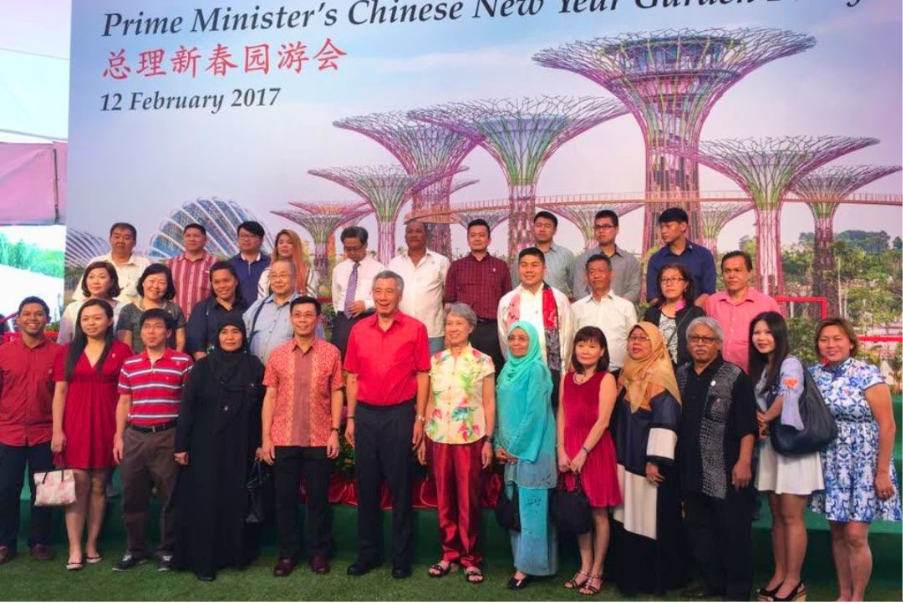
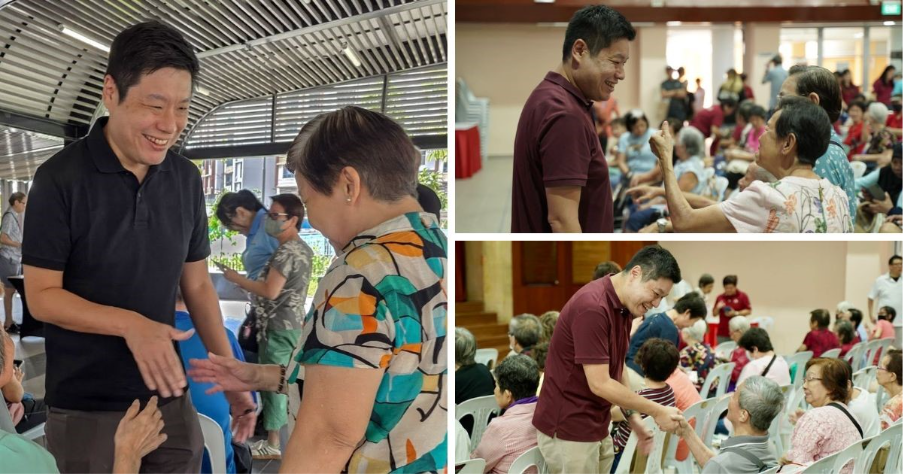
For Mr Lee, the most rewarding part of his political career was the friendships he built with party activists, grassroots volunteers, and residents.
“My volunteers, many of them have families and children, yet they come Monday after Monday to give their time [at the Meet-the-People session] and talk to residents. They don’t have to do it, but they chose to serve the community. It’s meaningful.”
He also recounted how his grassroots volunteers were always the first to arrive at emergencies—whether a flat caught fire or a serious accident occurred in the community—working alongside the police.
“When neighbourly disputes or misunderstandings arose within the merchant or hawkers’ association, they were the first to mediate. It’s very rare to find people who will drop their work to attend to municipal issues. For that, I am very grateful to them.”
This tight bond also made the eventual decision to retire from politics, a difficult one.
“I told them only ten days before the nomination day that I wouldn’t run for election. They were very angry and said they wanted to kill me. I knew how they feel. They really went all out for me. That’s how strong our bond was. It took many lunches and dinners to calm them down,” Mr Lee said.
Mr Lee said that in a small way, his relationship with his volunteers demonstrate the community spirit Singaporeans share.
“If a small group like this can feel this way, and if as a country we can feel that way, as a people, I think Singapore will go far.”