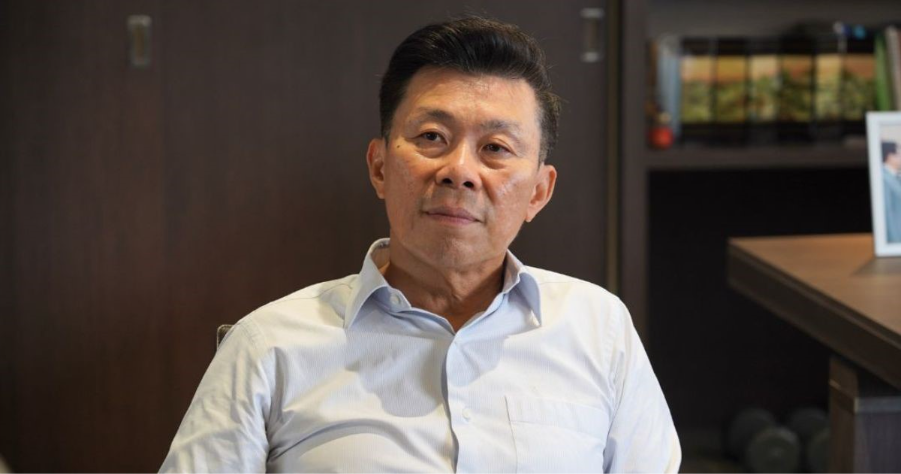
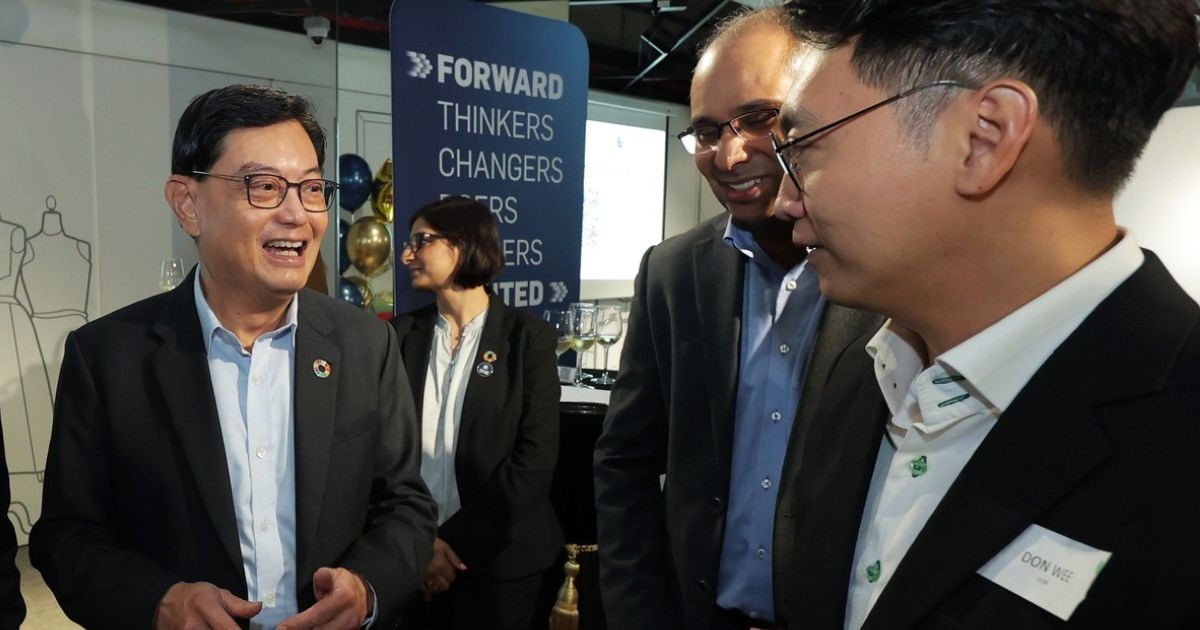
Mr Heng Swee Keat emphasised the importance of good governance for Singapore’s continued survival and success as a small nation in a recent interview.
“The important question for Singapore, I think, in the coming years, is to think about what is good governance? What will allow Singapore to continue to thrive?” the former deputy prime minister said, while acknowledging Singaporeans’ desire for more diverse viewpoints in Parliament.
In an interview with Lianhe Zaobao in early May, the 64-year-old pointed out that good governance has been neglected in many democratic countries.
“If you look at the quality of the people who have been elected, their motivation, and the number of cases where leaders do not do what is good for their citizens, either because they are not strategic, they are not devoting themselves fully to the work, or because of personal reasons, or for personal benefit, many systems do not function as they should.”
People therefore believe that a system of checks and balances is needed, he noted. But rather than achieving long term planning for the people, it often results in changes in government.
“Instead of having good long-term policies for the people, you have zigzags in policy…One party will go in one direction, the next party comes in and then reverses direction, so the country doesn’t progress,” he explained.
“We have to think hard about what would allow a country, any country, to make progress. I would say good governance is critical.
“Because you really don’t want the country to fail,” said Mr Heng. “The question is, how do we ensure that a small, little place like Singapore continues to survive and succeed?”
Mr Heng’s advice was to engage more Singaporeans in the decision- making process, and then making sure that decisions are grounded in facts, figures, and rational arguments, rather than emotions.
“While we need to attend to the feelings of people, when you make hard decisions, it cannot be based on emotions and people’s anger.”
Mr Heng had announced on Nomination Day, April 23, that he would be retiring from politics after 14 years in the Government, which accounted for nearly a third of his 45 years in public service.
During his career, he was, among other things, a police officer, principal private secretary to then Senior Minister Lee Kuan Yew, and managing director of the Monetary Authority of Singapore.
After being elected as a Member of Parliament in 2011, he was made Education Minister. He later helmed the Ministry of Finance, and chaired the Future Economy Advisory Panel and Future Economy Council, which both look at boosting Singapore’s economic growth.
Mr Heng: The synergistic relationship among Cabinet members has been very valuable
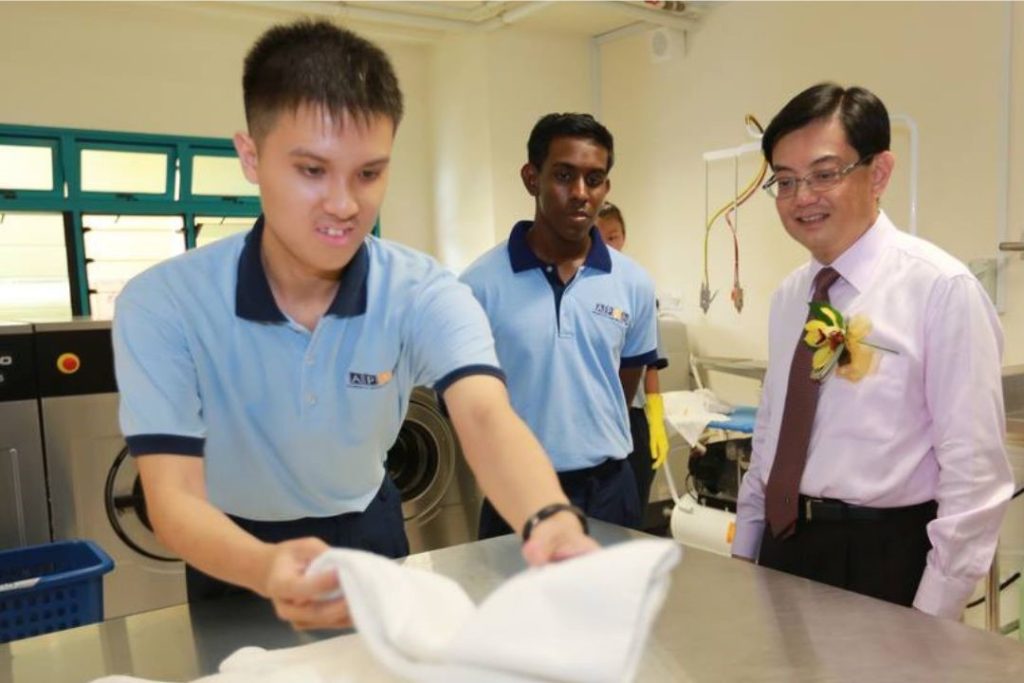
When asked about how policies need to change to suit the times, Mr Heng cited his experience as the Minister for Education, where he faced the issue of declining school enrollment.
Apart from merging schools, he recognised the huge talent pool of skilled lecturers and faculty members in polytechnics, Institutes of Technical Education, and universities.
His proposal was to have these Institutes of Higher Learning extend their capacity to serving lifelong education for older Singaporeans, and not just undergraduates. This initiative was later coined “SkillsFuture” by then-DPM and Finance Minister Tharman Shanmugaratnam.
“I saw the problem and the opportunity,” Mr Heng said. “DPM Tharman, who was in the Finance Ministry at that time, supported it. This synergistic relationship among Cabinet members has been very valuable.”
Mr Heng: Every Singaporean must work hard to keep S’pore thriving
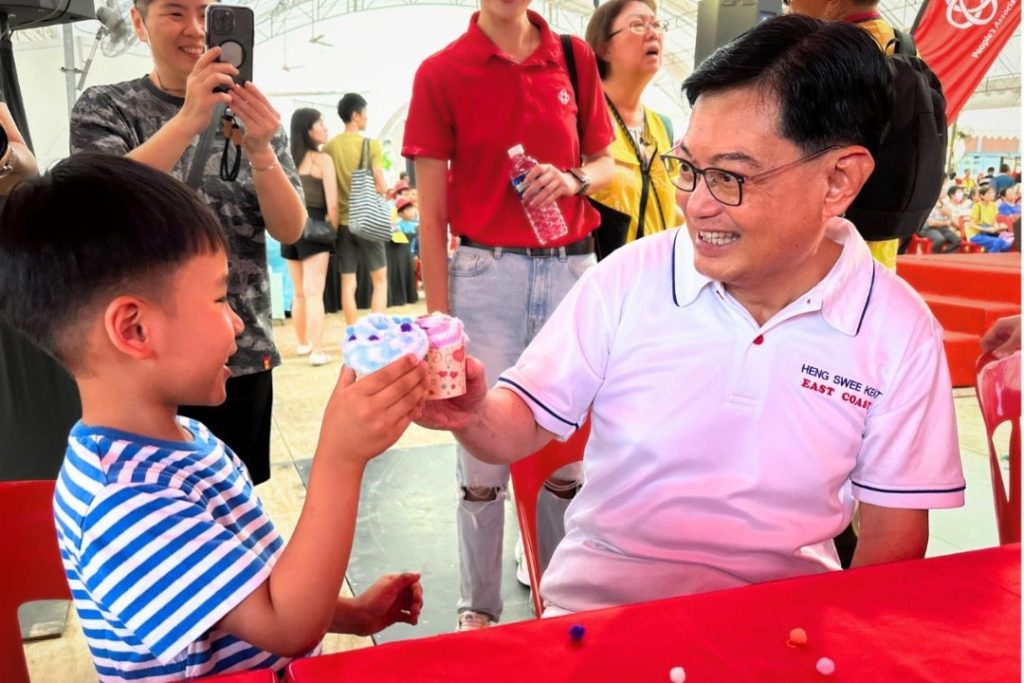
What has kept Singapore thriving in the last 60 years, Mr Heng noted, has been a system of governance that has enabled the country to overcome its constraints, and where Singaporeans could build trust and confidence for a party that is rational, forward looking, and thinks about the long-term future of Singapore.
“My greatest worry is how politics will evolve in Singapore the coming years and whether my children and their children will continue to have a future,” he said.
He emphasised that what Singapore has achieved in the past 60 years is precious and admired globally. He stressed that the new 4G leadership, as well as every Singaporean, must work diligently to address this challenge because everyone “must have a stake in Singapore’s success.”.
“If you say, I want to build a more caring society. How do you show care and concern for other people? What are the values that we teach our children that, this is what you should do? These are the actions that you can take to do so and turn our greatest fear, hopefully, into our greatest hope.”
“Because if we can do this, Singapore will remain as a success story. It is not easy, but I think you should strive for it.”