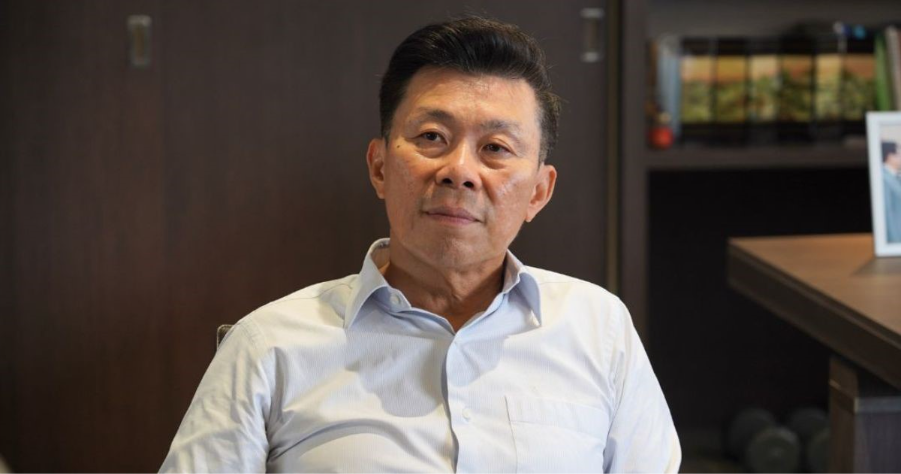
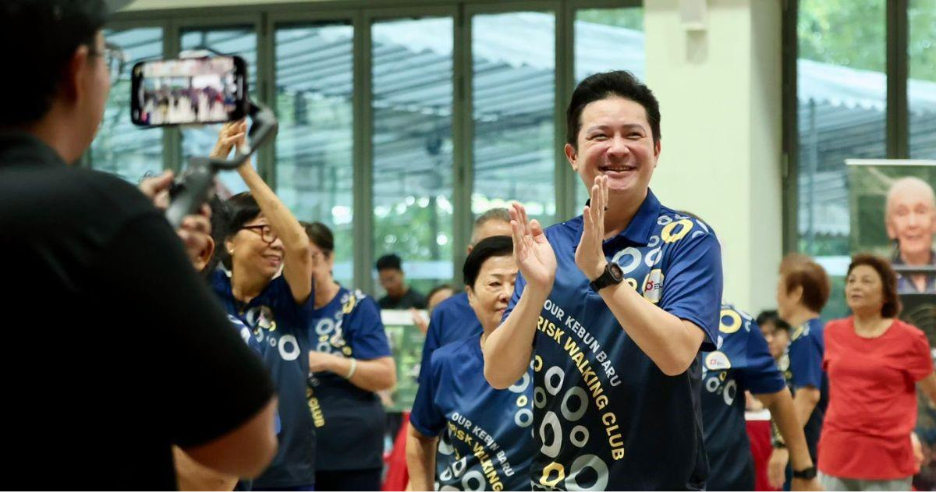
The Government Parliamentary Committee (GPC) for National Development will focus on making housing affordable and accessible for Singaporeans, said Chairperson Henry Kwek Hian Chuan.
It will also seek inputs from Singaporeans and experts to shape the country’s development initiatives.
Mr Kwek, Member of Parliament for Kebun Baru, told Petir that the GPC will work with the Ministry of National Development to increase housing supply, which will help moderate prices and improve accessibility.
During the previous government term, priority was given to first-time families and those with young children.
With increased supply, we can turn to solving housing demand from other segments of Singapore’s population.
“We have confidently moved past the era of Covid. The increased supply of flats now gives us the opportunity to help other Singaporeans achieve their housing dreams,” Mr Kwek said.
Singaporeans that could benefit include second-time homeowners, seniors, singles, and single parents.

The GPC’s second priority is to push for the rejuvenation of Singapore’s towns, Mr Kwek said.
As an MP representing Kebun Baru, a mature estate, he welcomes the government’s recent announcements about the Voluntary Early Redevelopment Scheme (VERS).
VERS allows owners of flats aged 70 years and older to vote on letting the Government buy back their homes before their leases expire, helping Singaporeans avoid lease decay.
Minister for National Development Chee Hong Tat recently indicated plans to implement VERS at selected sites in the first half of the 2030s.
According to Mr Kwek, the scheme will give the government more time to revitalise mature estates.
“How can we support the government’s effort to build a consensus around VERS? It is going to be a landmark policy which will affect the lives of current and future generations. It can only succeed if it is deemed to be fair by the people, but also fair for future generations Singaporeans while addressing everyone’s needs,” Mr Kwek said.
Successful implementation, he explained, requires understanding people’s needs, pain points, and unique circumstances—considering both the majority and affected minorities—to gain broad support.
“It’s important to get the balance right. Not just to take care of the people who voted one way, but also factors in the circumstances of those who did not choose that.”
“When you take care of the minority view, that’s when you can assemble a bigger majority.”
Mr Kwek said that VERS ranks among Singapore’s most significant housing policies since the resettlement initiatives. Given its importance, the government must implement it correctly by drawing upon the collective wisdom of the people.
The government is actively upgrading old towns like Ang Mo Kio by expanding MRT connectivity and revitalising both town and neighbourhood centres, he noted.
“Building on this success, I hope the government will extend these improvements to more towns, ensuring both homes and towns are ready for the future.”

The third and final priority for the GPC, according to Mr Kwek, is to ensure Singapore remains adaptable amid rapid technological changes.
He said that despite Singapore’s well-established urban planning framework and recently unveiled master plan, technological advancement continues at an unprecedented pace.
“We could be just five to 15 years away from having drone deliveries, autonomous vehicles, or even robots integrated into our daily lives,” he said. “So, what can we do to future-proof our city?”
Mr Kwek stressed that five to 15 years is merely a blink of an eye in the lifespan of a city. Given this rapid timeline, he believes now is the opportune moment for Singaporeans to consider necessary adjustments to ensure our city’s plans remain viable for upcoming technological developments.
“We can tap on a wide range of experts to provide insights to URA (Urban & Redevelopment Authority) on how we can future-proof our city,” he said. “This will help ensure our urban planning not only meet our needs today but also hold the dreams of our children.”
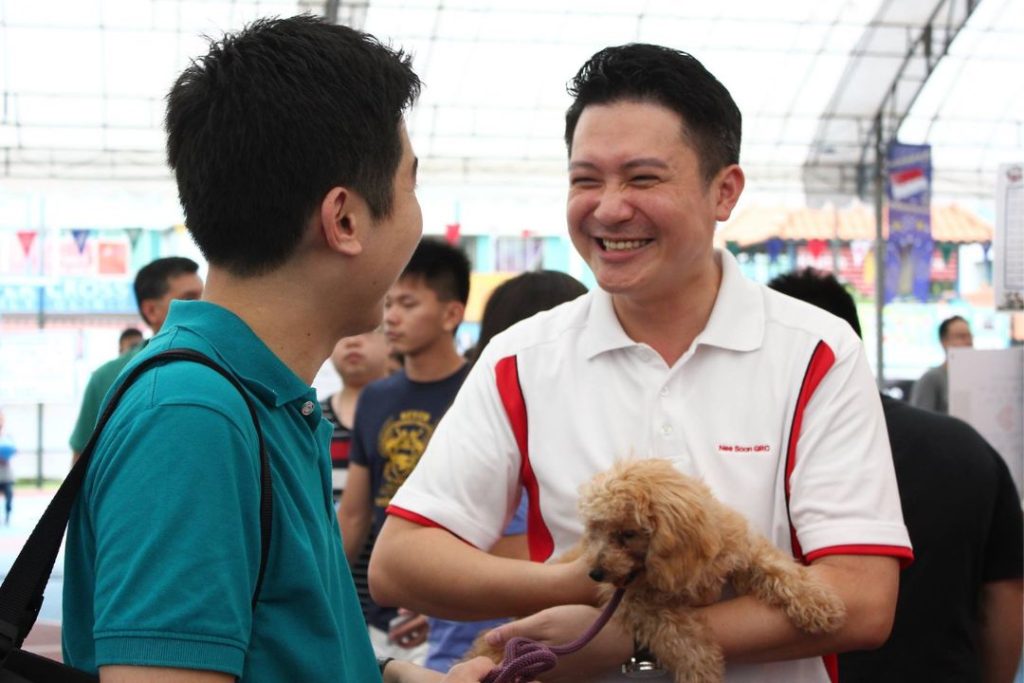
Henry Kwek: ‘We need to consider making our living environment more animal friendly.’
Regarding other aspects of the national development portfolio, Mr Kwek stressed the need to further enhance Singapore’s greenery landscape.
“While we’re already world-class in this area, we can still improve by tapping into the expertise of our excellent landscape architectural community,” he said.
He noted how different regions, such as France and Nordic countries, have developed their distinct approaches to botany. “How can we further entrench and establish Singapore’s way towards flora and greenery? We can act on it.”
Speaking about pets, Mr Kwek, a dog owner himself, acknowledged Singapore’s steady progress in becoming more animal-friendly.
“The question is, how can we encourage Singaporeans to show more love for animals while deterring animal cruelty,” he said. “We also need to consider how to make our living
environment, both in HDB and private estates, more animal friendly. ”
Mr Kwek revealed that the committee is currently assembling a resource panel of experts.
“There’s a saying: First, we build a building, after the building builds us. Home is central to everybody’s lives, environment also shapes who we are,” he said. “The GPC’s role is to gather diverse views of Singaporeans from different walks of life and bring in external experts to develop alternative viewpoints, building upon the plans the PAP government has put up.”