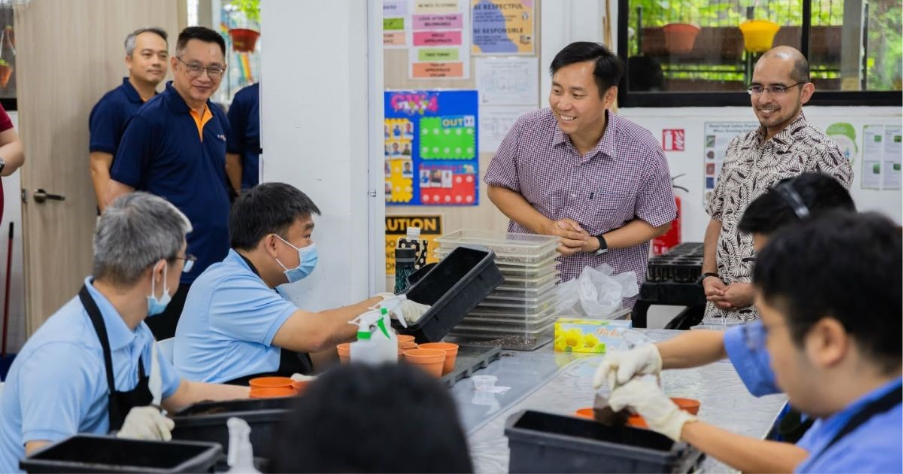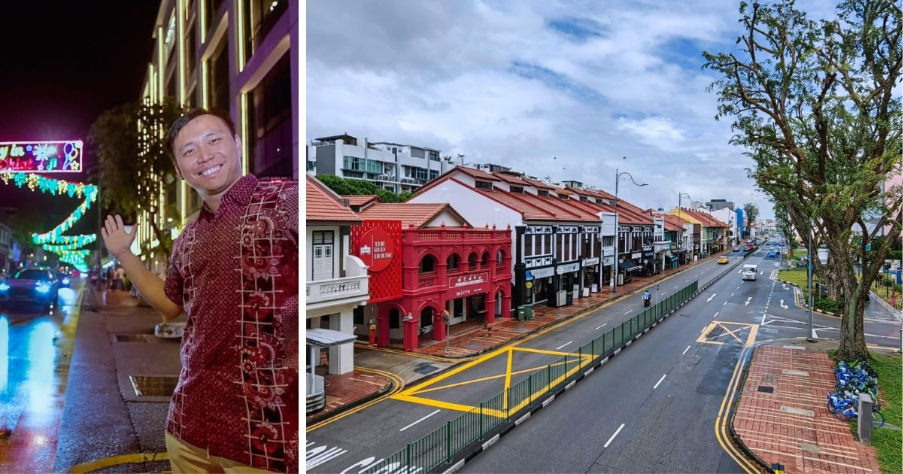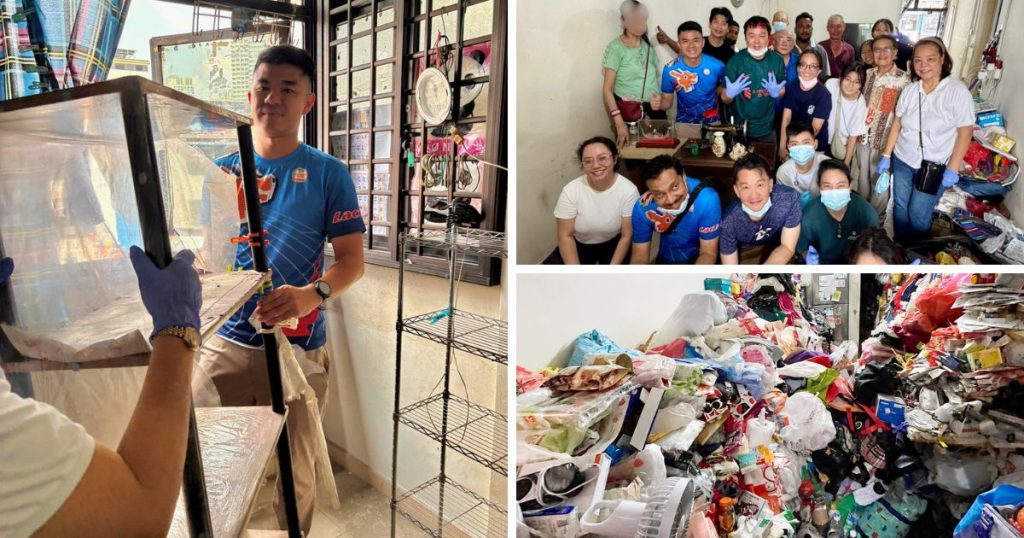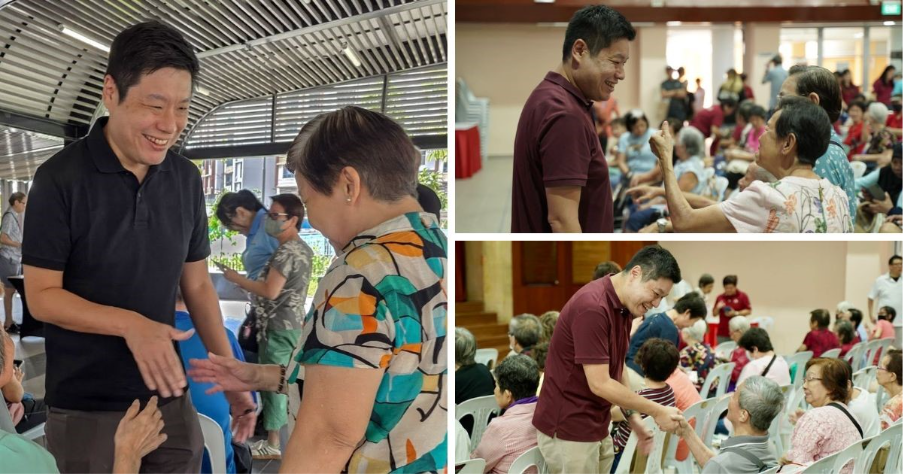

Sharael Taha, Chairperson of the Government Parliamentary Committee (GPC) for Digital Development and Information, outlined key priorities of the committee, which include creating a digitally inclusive society so that no one is left behind.
In an interview with Petir, Mr Sharael noted that while Singapore aspires to be a digital-first society, it should not become a digital-only and must consider the needs of those who find it difficult to adapt.
“How can we use digital technology to help those in need, seniors, lower-wage workers, and persons with disabilities so that everyone has an equal opportunity in a safe and secure Singapore?” Mr Sharael asked.
“Some of our seniors have struggled to adapt to digital technology. They feel disconnected from society,” he explained. “We need to explore how digital AI and the latest technology can help us care better for our seniors—through meeting aids, home devices that can detect falls, or improved access to healthcare.”
Mr Sharael suggested that lower-wage workers develop digital skill sets to enhance their marketability and earning potential. He pointed out that technology can enable people with disabilities to work remotely, providing them with employment opportunities equal to those of their peers.
Further priorities for the GPC
Mr Sharael also outlined four other priorities for the GPC. These include supporting the government in building the capabilities of mainstream media in Singapore. Doing so will enable news agencies like CNA to present the Singaporean perspective to the world.
Second, developing Singapore’s AI capabilities through two aspects: building depth by cultivating AI talent and experts while expanding breadth – deploying AI across industries including education, military, business, and banking sectors, Mr Sharael said.
“What is Singapore’s value proposition in providing AI to the world?” he said. “How can we use AI to propel our economic growth, enhance industry productivity, drive deeper insights, and optimise processes to remain highly competitive?”
Third, he noted, equipping Singaporeans with the necessary skills to leverage AI opportunities. This involves creating programmes to identify talent and develop the right skill sets to drive future economic growth.
Fourth, strengthening cyber security and infrastructure resilience. This involves protecting Singaporeans against scams, guarding against foreign influences and interference in domestic politics, and maintaining social cohesion.
“Cyber security has completely revolutionised how we interact,” he said. “How do we maintain our cyber security capabilities to protect Singapore and its industries from malicious actors who seek to create chaos?”
He added that our critical infrastructure and services are digital dependent, and it is critical to “make sure they remain resilient and robust”.
Sharael Taha: We must agree on shared values that harness AI for good
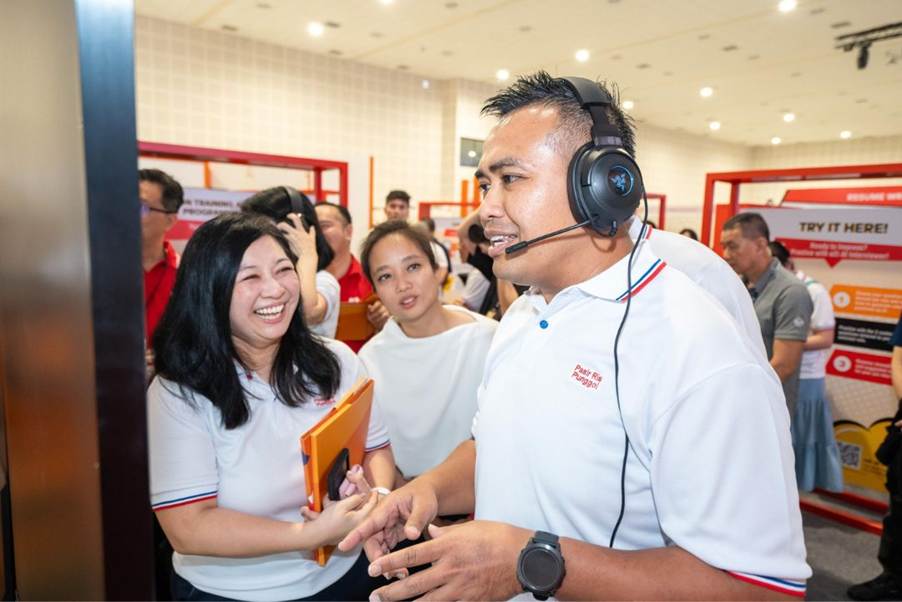
When asked about the challenges that Singapore faces relating to the digital development and information, Mr Sharael highlighted how AI and digital development will change the world we live in, and it is important to establish shared values to ensure AI benefits society.
“AI can be a massive force to contend with when applied to cybersecurity, scams, or other purposes,” he explained. “We must harness AI’s positive potential. It’s a tool that can be applied anywhere, but as a society, we need to agree on values that harness AI for good.”
He acknowledged that prohibiting students or workers from using AI would be unrealistic. Instead, the challenge lies in teaching them to use AI beneficially.
Regarding cybersecurity, Mr Sharael noted that while Singapore emphasises positive AI use, other countries might have different approaches. “How do we protect ourselves as we become more interconnected?”
He cautioned against allowing technology to create a digital divide between those who are digital capable and those who are less so in Singapore.
“Our children may not necessarily have the same levels of digital exposure based on their social circumstances, but we must ensure equal opportunities for all,” he continued. “Digital technology shouldn’t separate our elderly from our youth. We need to bridge these gaps through digital development and bringing people together.”
Regarding his hopes for the GPC, Mr Sharael emphasised that ultimately, they aim to build a safe, secure, and inclusive Singapore with sustainable growth potential and opportunities.
“Around the world, we can see how digital technology divides people, magnifies differences, and how algorithms on platforms like TikTok and other social media reinforce differences, making people more entrenched in their views,” he said.
“We must agree to go against this trend rather than following what the rest of the world does and remain united as a people.”
Sharael Taha: S’pore must maintain its position as the world’s most competitive air hub As a member of the Transport GPC, Mr Sharael emphasised the importance of Singapore maintaining its position as the world’s most competitive air hub amid rising regional competition. “The aviation industry has been a source of success for Singapore because it has a domino effect on other industries. When the aerospace and aviation industry grows, your hotel grows, your retail grows, and everything else,” the Civil Aviation Authority of Singapore board member explained. “As Singapore grows its passenger capacity, and builds Terminal 5 by 2035, how do we make sure that we remain as the global air hub, driving the industry and the supporting industries forward?” Regarding land transport, Mr Sharael, an engineer by profession, expressed concern about the implementation of autonomous vehicles and electrification in Singapore. He advocates for the nation to become a responsible global leader in autonomous vehicle adoption by implementing these technologies at an appropriate pace. He raised important questions about autonomous vehicles: “How do we handle the insurance of self-driving cars while ensuring safety for all road users? Who bears the insurance responsibility? Where does liability fall—with the car manufacturer, the passengers, the operating company, or the Land Transport Authority? These questions remain unanswered.” |