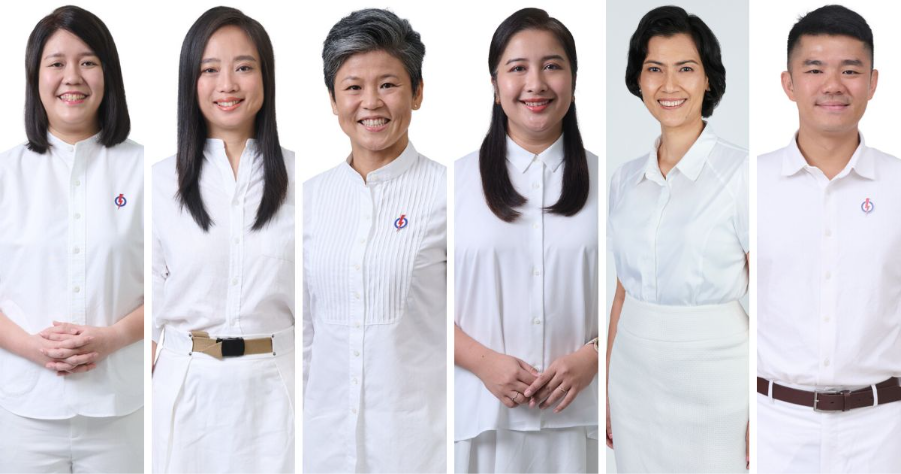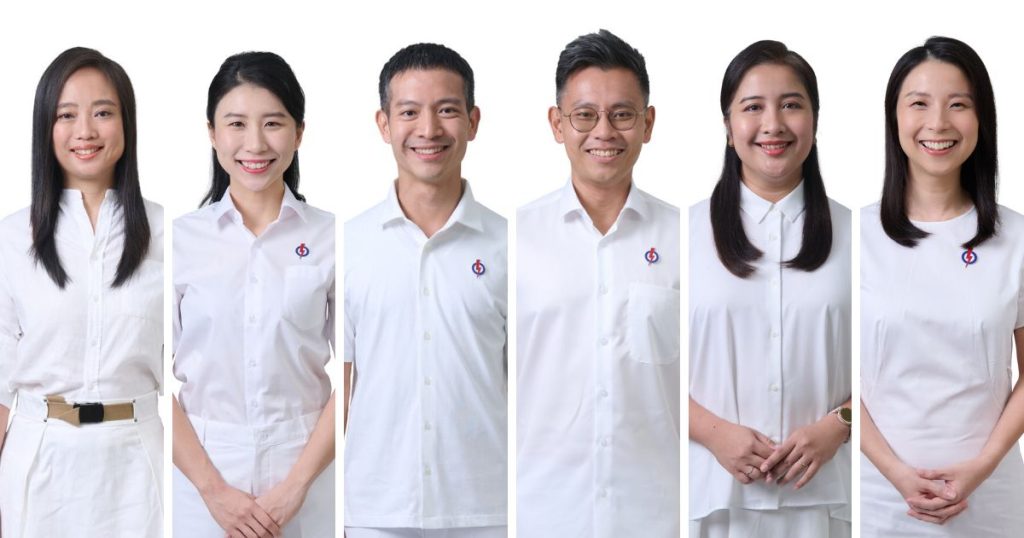
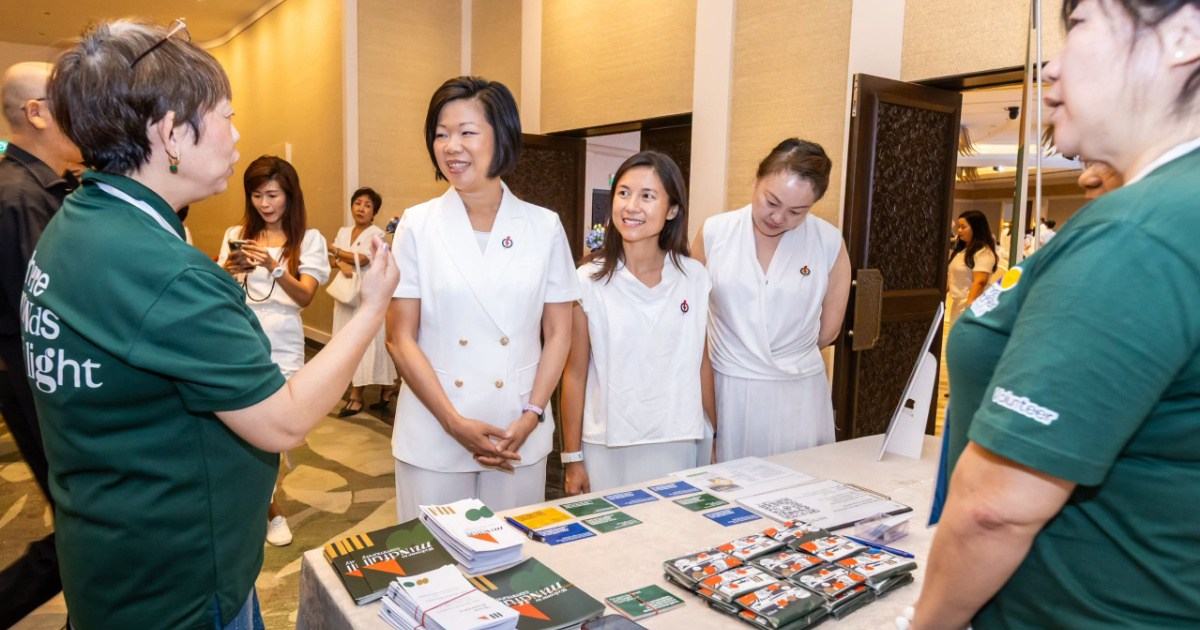
From helping young women cope with the pressures of their first jobs to making menopause a topic less taboo at work, the PAP Women’s Wing (WW) intends to sharpen its focus on supporting women at different stages of their lives.
During its annual conference on Saturday (Sept 26), attended by more than 400 activists and community partners, WW Chairperson Sim Ann shared that women’s health is an area WW will advocate strongly for.
But why women’s health, especially in a country where the female life expectancy (85.6 years) is among the highest in the world?
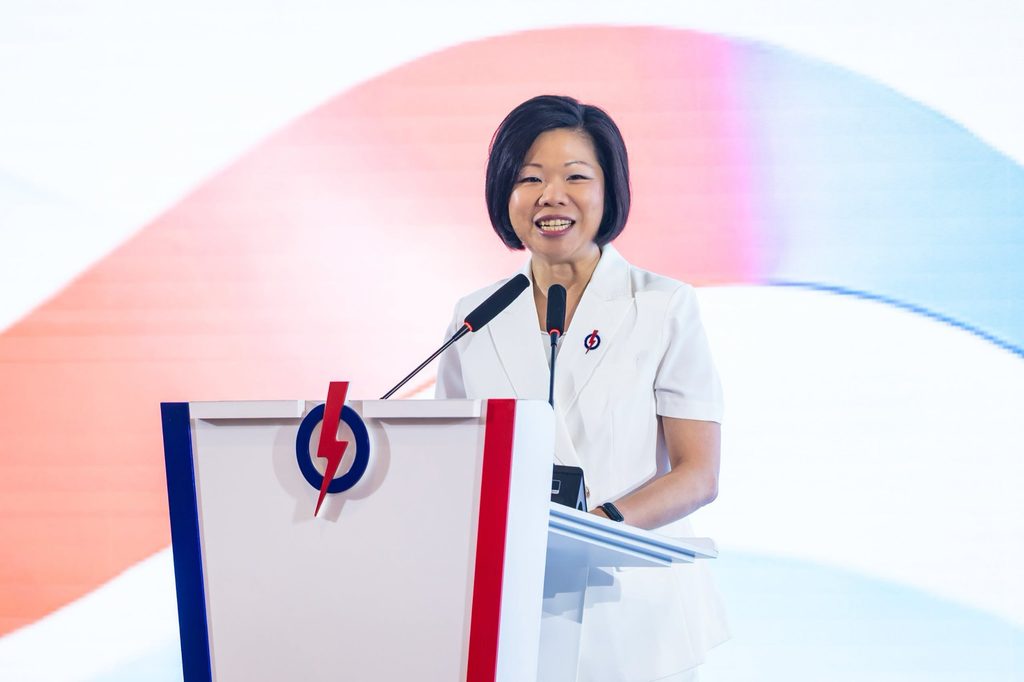
For Ms Sim, being a super-aged society is exactly why we must act, to “help our women age well, and gain more years of healthy life.”
In addition, changing social norms, which see women having children later and participating in the workforce longer than earlier generations, also bring about unique health challenges that need to be addressed.
“As our society develops and changes, we need to track how women’s health needs change across life stages and develop the right whole-of-society responses.”
That is because “good health is a pre-requisite for women to fulfil their fullest potential” and “contribute meaningfully”, added Ms Sim.
Supporting women at the start of their careers
Over the years, studies have shown that women, who often have to juggle caregiving responsibilities with a professional career, are more likely to suffer from stress and burnout than men. That is why one area the WW wants to pay greater attention to is the experience of younger women in their early career.
In a survey of 2,300 women conducted by NTUC Women and Family (WAF), the results were sobering. Almost one in four early-career women reported that stress, anxiety and burnout have affected their work experience to a large extent. However, only 21% felt comfortable speaking to their manager about their mental wellbeing.
So, what is holding women back from seeking help?
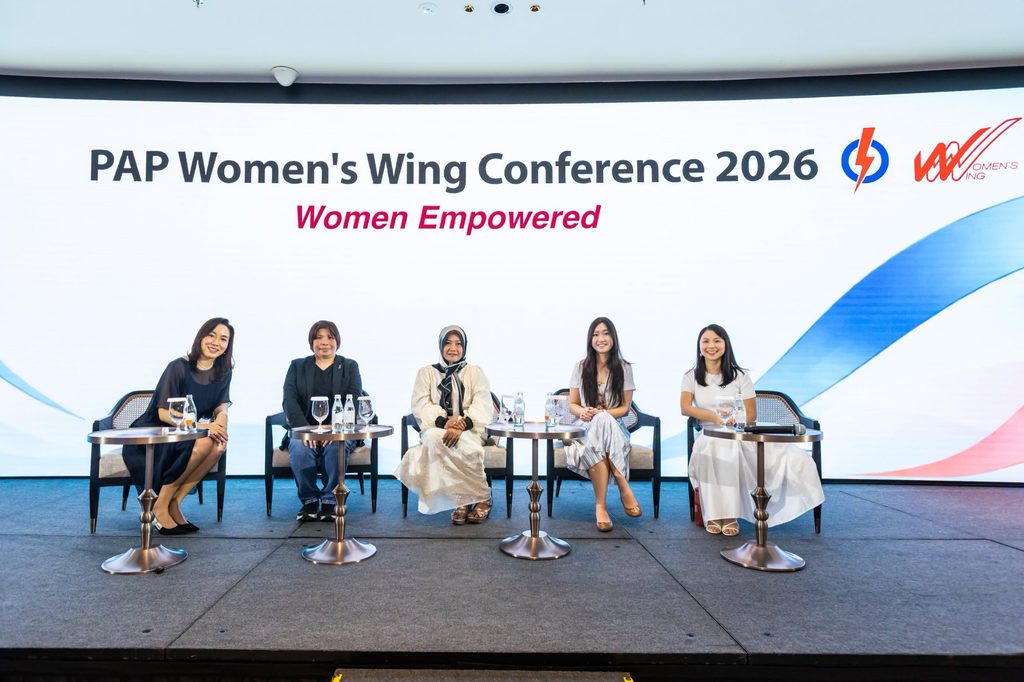
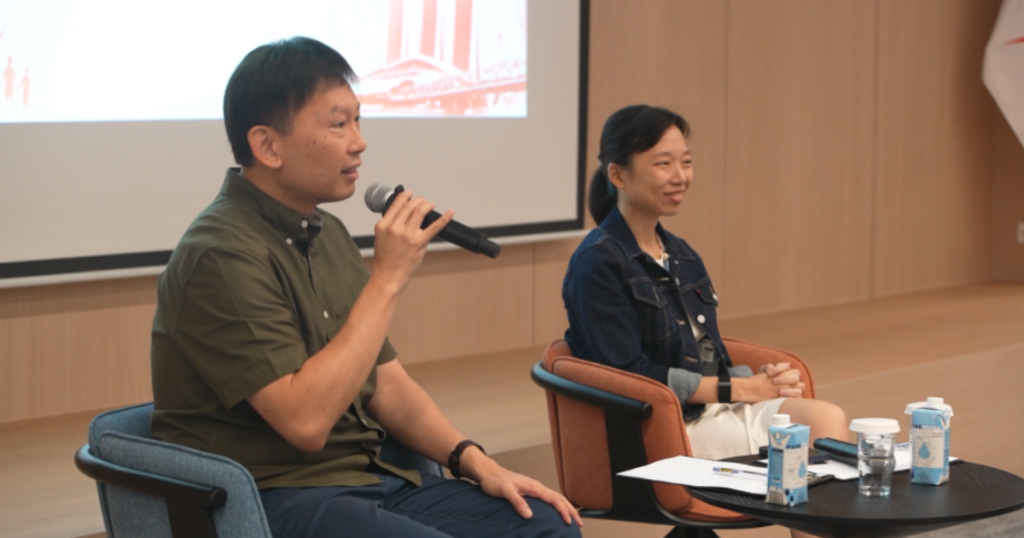
The issue came to life during the conference panel titled “Women, wellbeing, and what we don’t talk about enough”, moderated by Dr Charlene Chen, MP for Tampines GRC and PAP Mental Health Group (MHG) Member.
For Dr Chen, the need to “appear strong” at the workplace is a genuine concern.
“I think there’s this internal struggle…(to) come out and appear vulnerable. We feel that if we need help, maybe we’re not strong (and) maybe we are not the person to be considered for the next promotion,” shared Dr Chen.
Addressing this, panellist Dr Juliana Chan offered a different perspective on why asking for help need not be a sign of weakness.
“A lot of young women, when they start navigating the workplace, they don’t dare to ask. But asking signals that you are eager to learn; it also allows you an opportunity to form a relationship with a particular mentor at work.”
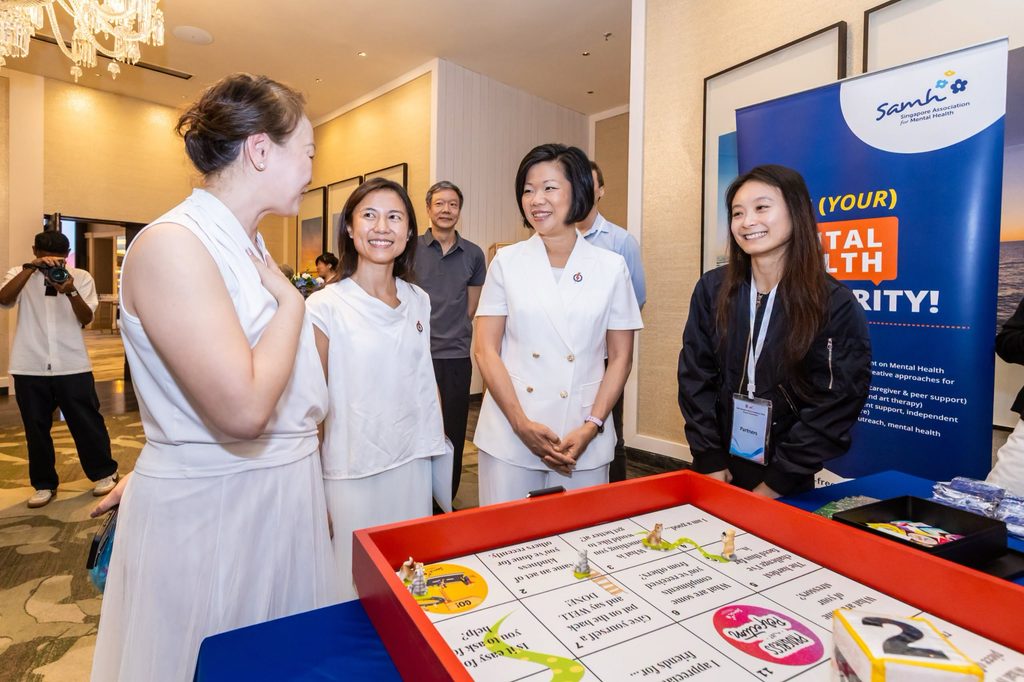
To provide more avenues of support for women in the community, Goh Hanyan, Organising Chairperson of the WW Conference, announced that mental health ambassadors at all PAP branches will be equipped with basic knowledge of common mental health and wellbeing issues affecting women.
“Ultimately, we want every PAP branch to be a safe and supportive space for our women. Somewhere they can find a listening ear, some initial support and, where needed, a link to the right help.”
Bringing menopause into the conversation
According to government figures, women in their mid-40s to late-50s make up about 15 per cent of Singapore’s resident workforce. For those experiencing perimenopause or menopause symptoms, low energy and poor sleep can have a negative impact on their work and well-being. Unfortunately, this health issue is often stigmatised and seldom discussed. It is also something the WW wants to change.
“We chose this topic because, while it affects many women, we do not speak enough about it, if at all,” said Ms Goh.
“We want to help bring these conversations to the fore and recognise the realities of women going through it.”
To help change this, the WW will be planning a series of health talks in partnership with the Obstetrical & Gynaecological Society of Singapore (OGSS). These could cover topics ranging from menstrual health for younger women to pre-conception health for women and families in their 20s and 30s. The first of which, about perimenopause, will be held on Dec 5.
“We want women to have reliable health information throughout life, not only when something goes wrong,” added Ms Goh.
Ultimately, improving women’s health will require more than programmes or policies. It will mean creating communities where difficult health issues can be discussed openly, and ensuring women have reliable information at every stage of life.
For Ms Sim, that means improving women’s health cannot be the work of the WW alone.
“There is a role for everyone in advocating for better women’s health – the community, employers, health experts, the Labour Movement, you and I,” she said.
And that, she added, is how we can help women live healthier lives, contribute meaningfully and pursue their aspirations.