BUDGET 2024 is the ambitious first step in renewing how the PAP Government and Singaporeans can together make a more inclusive Singapore in the years ahead. The 12.6 per cent increase in funding to $4.68 billion from $4.16 billion for the Ministry of Social and Family Development (MSF) is in this spirit of support. Here are five boosts for Singapore’s families to which Singaporeans can look forward in 2024, as shared in the Committee of Supply (COS) debates this week (Mar 6):
1. The Families for Life (FFL) movement enters more towns
For parents of preschoolers: More parenting programmes. For parents with teenagers: More parenting resources for these turbulent years. And for anyone in a relationship: Self-help for assessing its health.
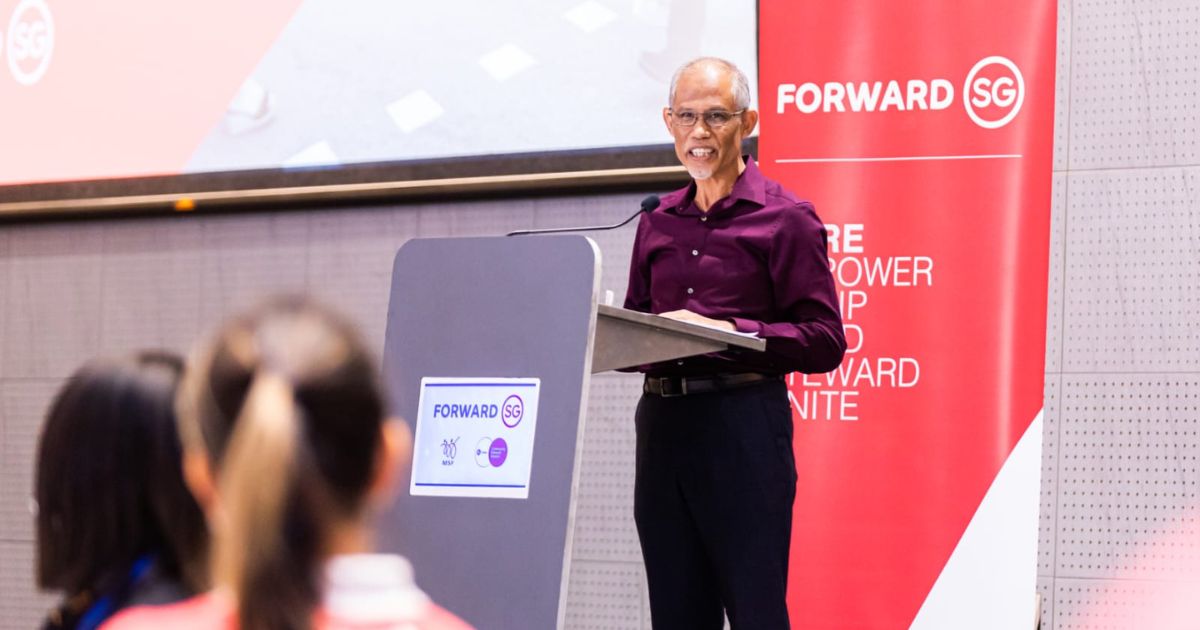
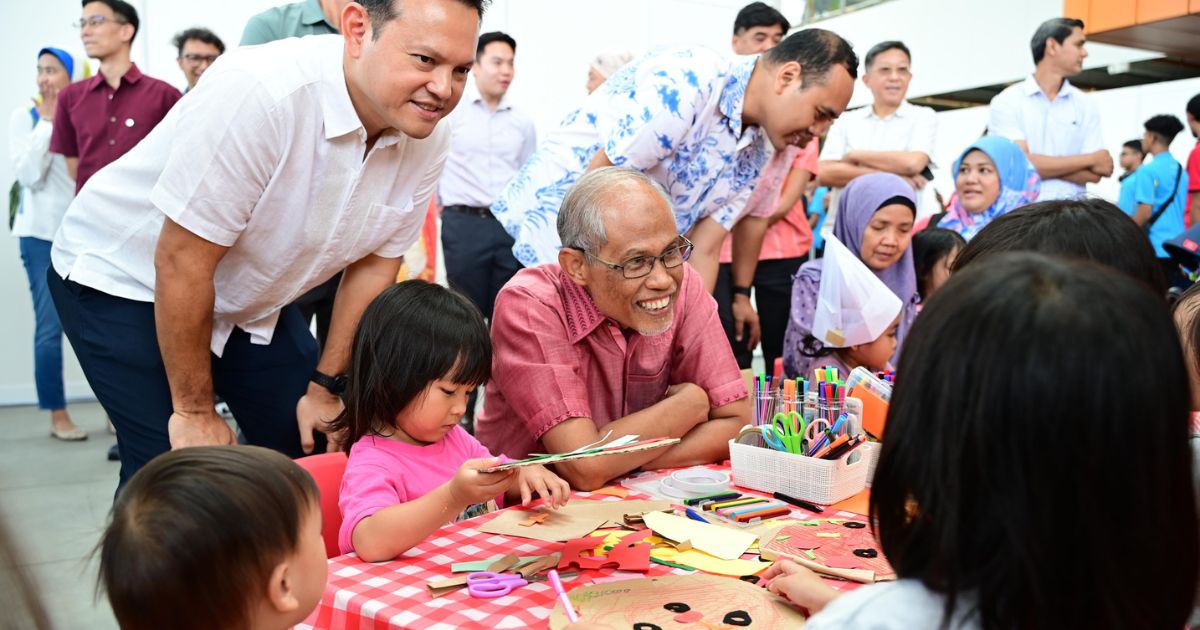
All these are coming while the Families for Life (FFL) movement expands. It doubles from nine towns to 18 this year, said Minister for Social and Family Development Masagos Zulkifli.
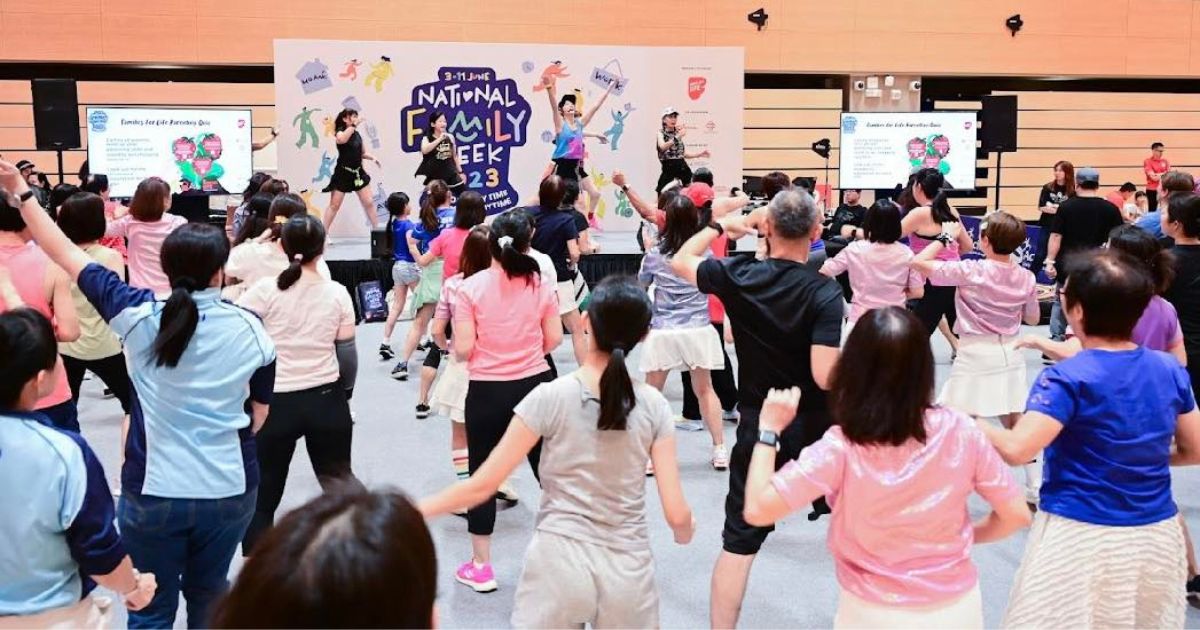
“It’s wonderful to see the FFL movement growing steadily. Last year, over 150 corporate and community partners such as CapitaLand Malls and Singapore Heart Foundation, alongside 400 volunteers came together to support the National Family Week. We will continue to grow this movement. From this year the FFL Council will expand the event to a month-long National Family Festival,” said Minister Masagos.


Source: Masagos Zulkifli / Facebook
So mark May 25 (that’s the start of the school holidays) down in your calendar. That’s when the Festival begins.
The Festival and the FFL are part of building Singapore into a place where families thrive. Minister Masagos said: “Our goal is for every Singaporean family to be a strong and stable family.”
2. More inclusivity for people with disabilities
The total number of Singaporeans with disabilities will increase markedly by 2030. This is due to our rapidly ageing population and the fact that over 13 per cent of Singaporeans aged 50 years and above have disabilities.
Against this backdrop, our Party’s foremost champion for people with disabilities MP Denise Phua (Jalan Besar GRC) is calling for expanding the ambit of the disability-inclusive Empowering Masterplan 2030 (EMP2030).
“The Singapore Government, for instance, has rolled out HealthierSG, community care apartments, new BTO towns, active ageing centres, and SkillsFuture upgrades – many exciting developments that I feel strongly can include the disability community. I earnestly urge MSF to consciously conduct a formal yearly review to update the EMP2030 so that it stays relevant and tap on these important developments,” she said.
In response, Senior Parliamentary Secretary for Social and Family Development Eric Chua said that the EMP2030 is not only about output. Outcomes matter too, such as how the EMP2030 continues its work towards getting 40 per cent of people with disabilities employed. Moreover, surveys and reports will quantify the effectiveness of EMP2030 and here the Masterplan’s strategies will change with new data.

Source: Our Tampines Hub / Facebook
“We are open to evolving some of the methods. In fact, we have stated in the Masterplan itself that we understand that things are changing, particularly in terms of assistive technology – and we acknowledge that. We welcome any suggestions along the way as we get to 2030. And if I can add, 2030 is most definitely not a full-stop. To me, it is the figurative comma in our journey towards making Singapore a more inclusive society,” said SPS Chua.
3. Comlink+ for more low-income families
About 3,000 more low-income families will have a boost towards their long-term financial goals over the next three years. Comlink+ will give up to $600 every three months for adults who stay employed in a job.
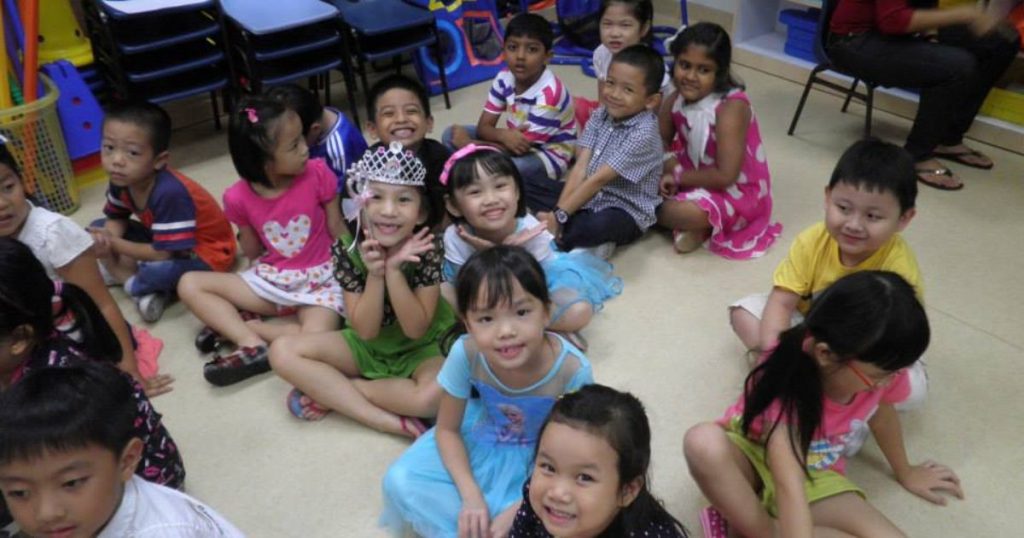
Moreover, Comlink+ includes adding up to $7,400 into an eligible Child Development Account (CDA). Parents do not need to contribute any money towards this; they just need to keep their child in preschool.
Source: Sparkletots Preschool Boon Lay / Facebook
“The early years are crucial for a child’s learning and development. Enrolling in preschool by age three and attending preschool regularly will give [a child] a good start in life and better prepare her for Primary One. This is why the Comlink+ package for preschool will recognise parents’ efforts to prioritise their children’s preschool education,” said SPS Chua.
4. Safer and more stringent childcare operations
The Kinderland child abuse case from August 2023 shocked Singaporeans. Moms and dads do place a lot of trust in child care operators when dropping off their little ones for the day.
So make no mistake: The PAP Government takes cases like this very seriously.
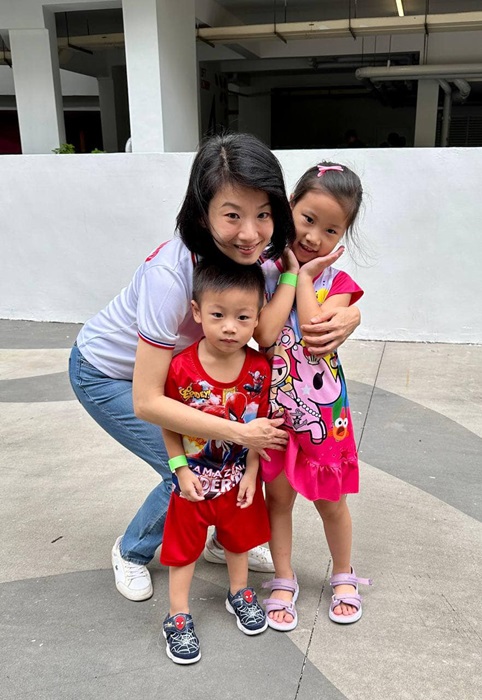
“We give our assurance to parents that where there is evidence that operators and/ or educators have been errant, ECDA [Early Childhood Development Authority] and the police will commence investigations immediately, suspend educators who are in a position to harm children, and take them to justice,” said Minister of State for Social and Family Development Sun Xueling.
Source: Sun Xueling / Facebook
Stricter laws against errant operators are currently being drafted. More importantly, the teachers’ training curriculum has been updated. There are now more specific examples as to what is simply unacceptable when handling kids.
5. More pay and support for social service workers
All said, the social service sector needs about 2,000 more professionals over the next five years. The PAP Government is actively attracting more people to join this sector.
“One key aspect is to ensure that the salaries in the sector are commensurate with the hard work and skill sets of our professionals. Last year we reviewed the social service sector salary guidelines to ensure salaries are competitive with comparable roles in competing markets. MSF and NCSS [National Council of Social Services] also adjusted funding to ensure professional support for our funded programs can be paid within the guidelines,” said Minister Masagos.
Around 80 per cent of employees in the sector are paid within these guidelines and this will increase over the next three years. There is also a SkillsFuture tripartite task force for promoting emotional and mental wellness at work. These steps are all key. Social service is heart work as well as hard work, and caring for social service workers will mean that they can care better for their beneficiaries.