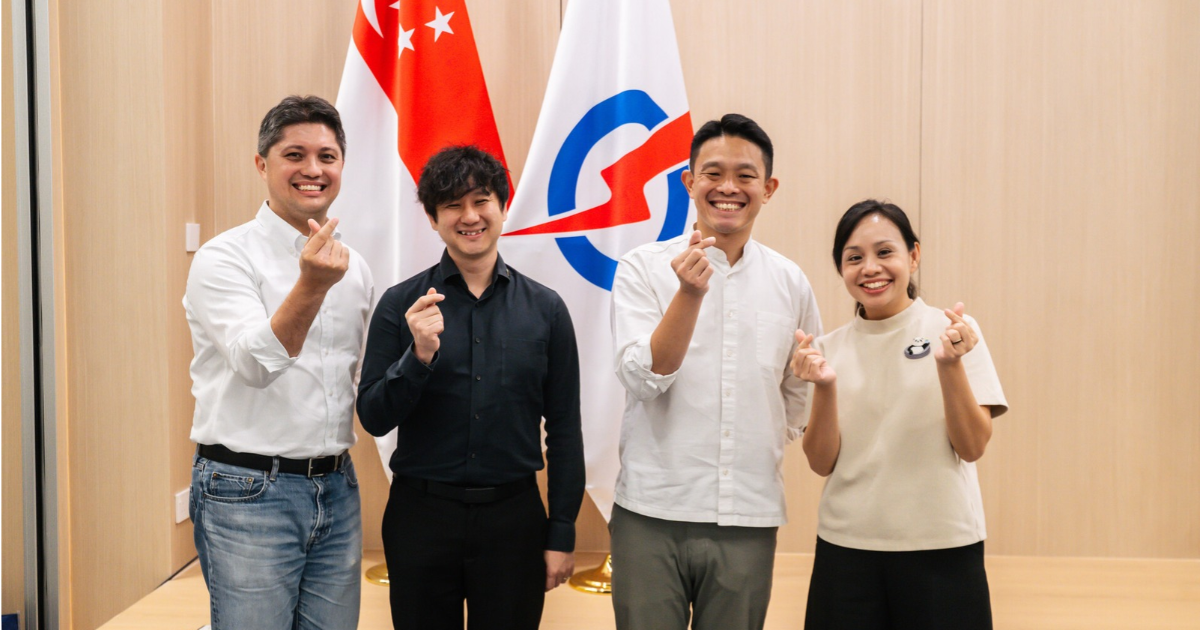
“We want them to walk away knowing that there’s a glimpse of hope.”
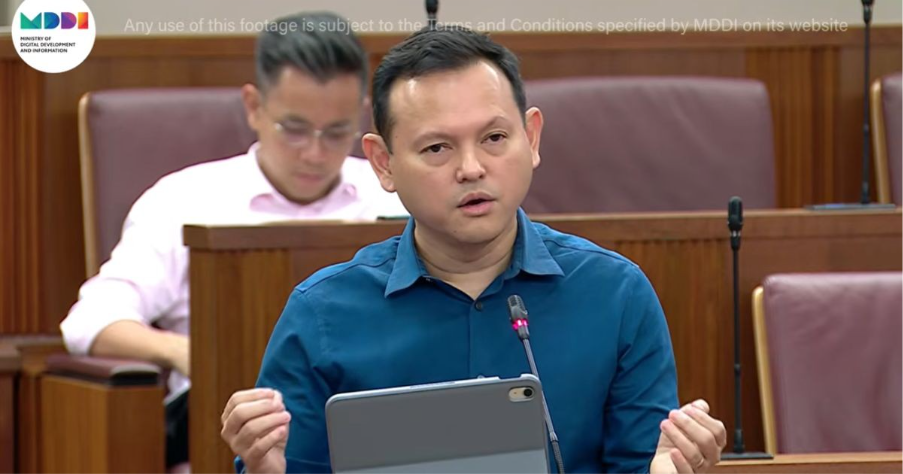
For David Hoe, MP for Jurong East–Bukit Batok GRC, that is what he wants residents who have come for help during Meet-the-People Session (MPS) to walk away with – a sense of hope that someone’s got their back. This is especially crucial for those struggling with their mental health who may feel isolated and unsure where to turn for help.
Building on the longstanding tradition of MPS as a haven for Singaporeans in need, the PAP is currently training its branch volunteers to better support residents facing mental health challenges.
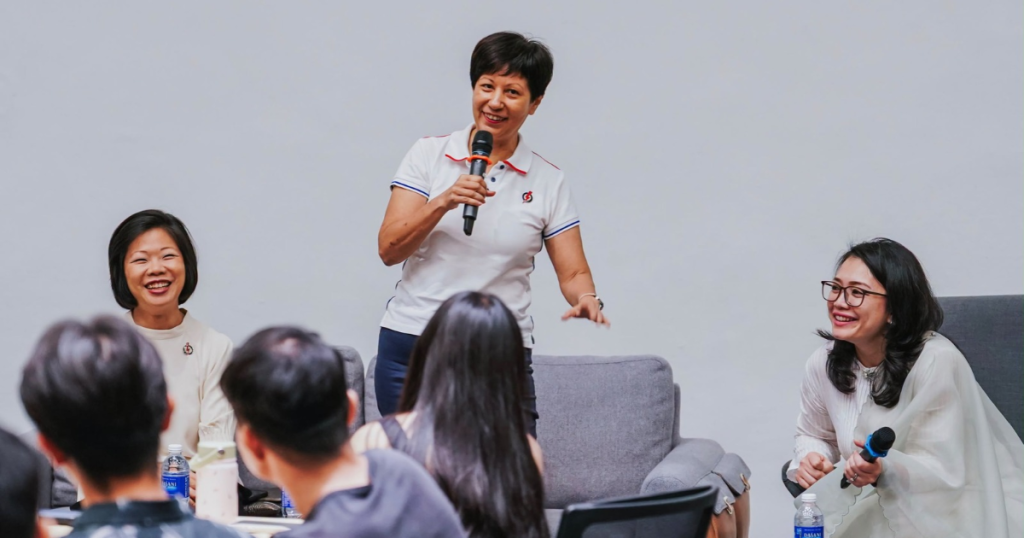
The first training session, organised by the PAP Mental Health Group (MHG), was held on Saturday (Oct 3), with youth mental health charity Limitless sharing practical tips on how to listen, show empathy and respond to residents in distress during MPS and house visits.
Caring for people is at the heart of what we do, said Mr Hoe. “We want to make sure that we are in a better position to know how to respond to our residents.”
To do so, it is important for volunteers across all branches to have a certain “baseline of knowledge” when interacting with residents facing mental distress, added Mr Hoe. That means not only directing residents to the right resources but also reassuring them and building trust.
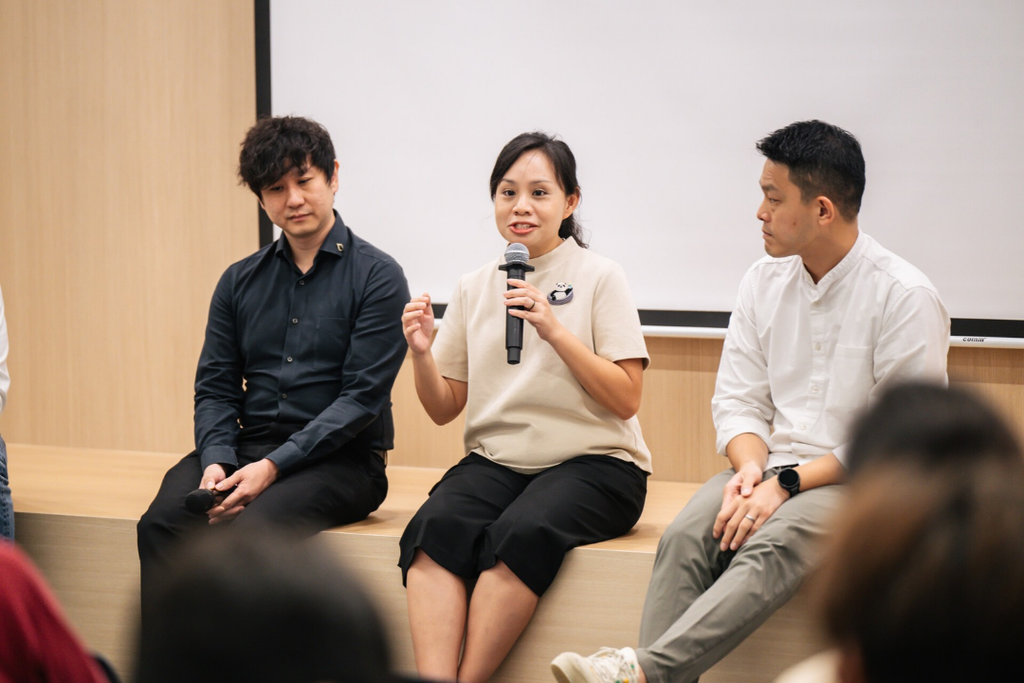
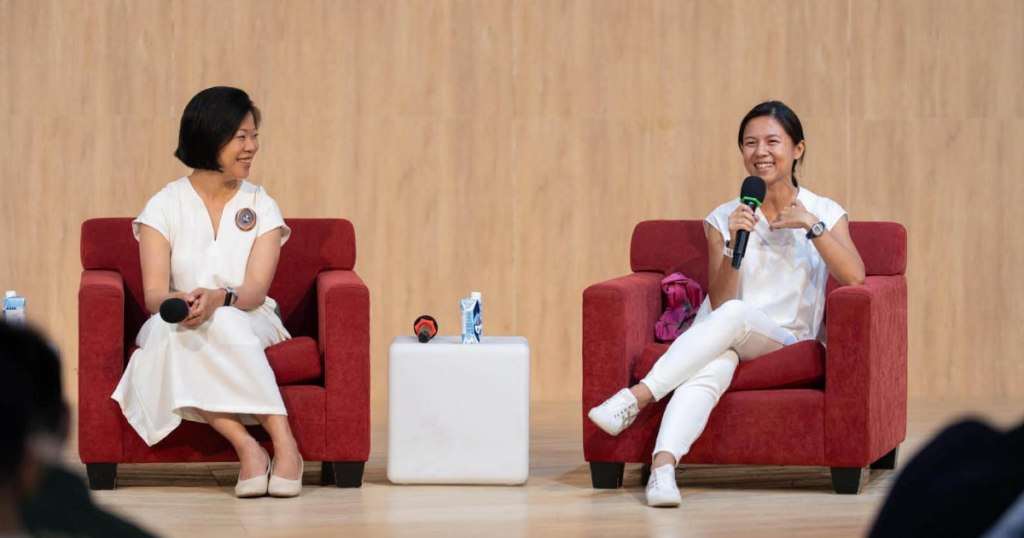
A similar point was echoed by fellow MHG member Elysa Chen and MP for Bishan–Toa Payoh GRC, who stressed the importance of “psychological safety”.
She recounted meeting a woman who initially resisted professional help but eventually agreed to receive support at home after Ms Chen encountered her again during a house visit.
“It’s a process of winning trust and helping them feel like we will manage their case sensitively. Mental health cases are things that we need a lot of tender loving care,” said Ms Chen.
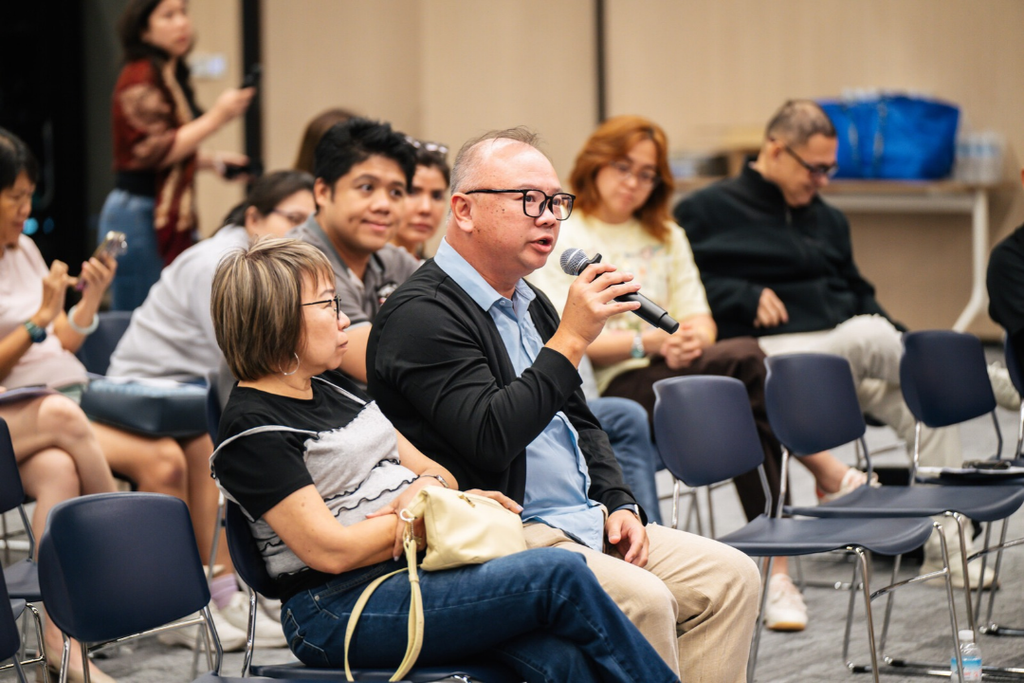
During a heartfelt question-and-answer session, one volunteer said that it is not uncommon for residents to refuse professional help out of fear and stigma surrounding mental health conditions.
The recent trend of etomidate abuse among youths also adds to the dilemma. “Do I notify the authorities about a substance abuse problem even when the parents pleaded with me not to?” asked another volunteer.
In response to the question, Ms Chen shared that child safety is a red line for her. Where children may be at risk, their safety must come first, even if reporting the situation could affect the family’s trust in the volunteers, she said.
“It’s okay for me to lose your vote as long as your child’s life is safe.”
Bringing care closer to home
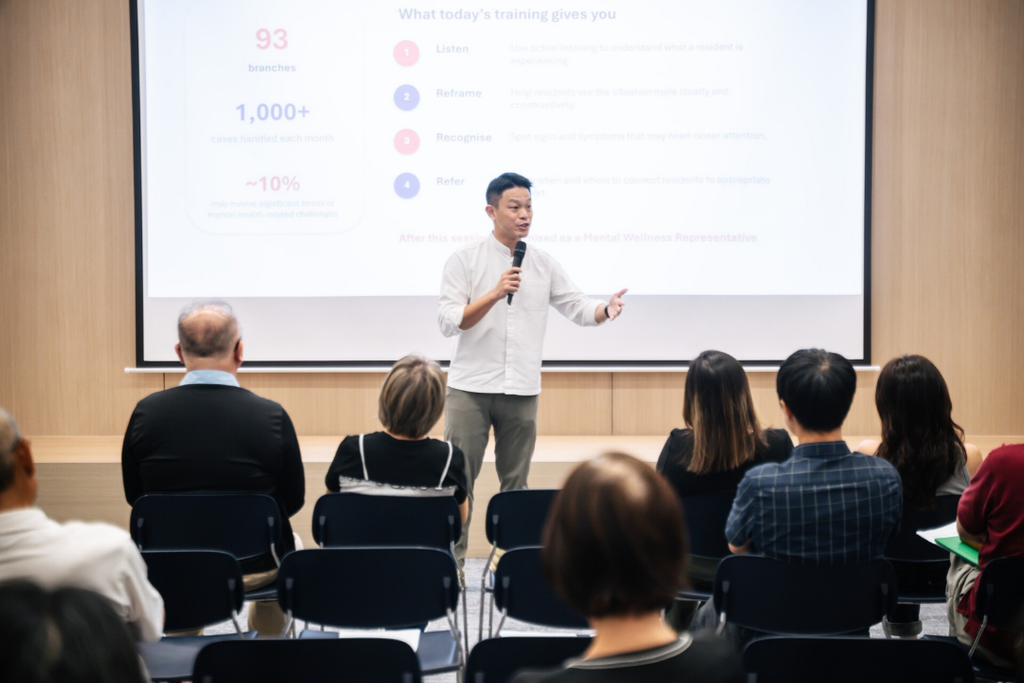
With about one in 10 of more than 1,000 complex cases handled by PAP branches each week involving significant mental health concerns, the need for more mental health representatives is becoming increasingly apparent.
Over the next two years, PAP MHG plans to build on the introductory training with more specialised sessions, covering topics such as depression and women’s mental health. The goal is to build a network of support in the heartlands, closer to home for those who need it most.
“Because of the kind of cases we’ve been seeing at MPS, making sure that we are aware of how we can support our residents is so critical,” said Ms Chen.
As we work towards building a more caring community, no Singaporean should have to face their struggles alone, and our MPs and volunteers at every PAP branch are always ready to listen and provide help along the way.