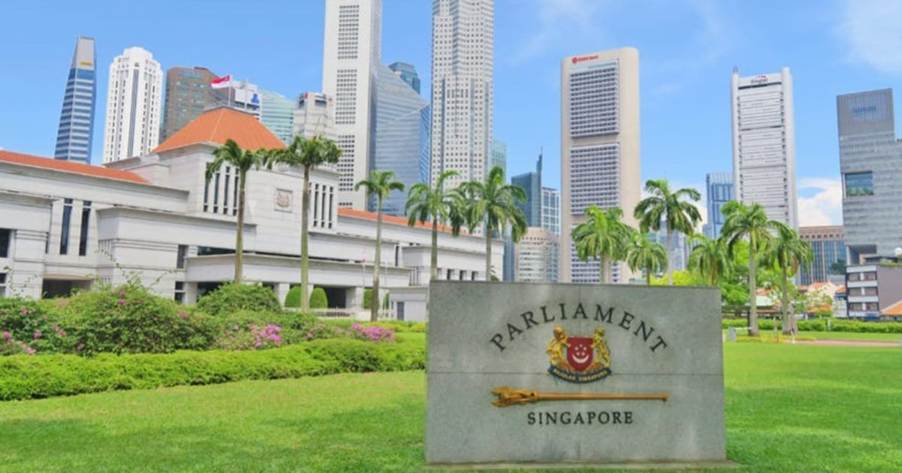
It comes as no surprise that Artificial Intelligence (AI) has dominated much of the discussion in parliament this week.
AI’s growing ability to perform routine tasks threatens to eliminate entry-level jobs. Mid-career PMETs and lower-waged workers are not spared either. Given the speed at which technology is evolving, many jobs could soon become redundant.
Addressing these concerns (and more) during the debate on the Ministry of Manpower’s spending plans (Mar 3), PAP MPs spoke of the need to help Singaporeans thrive in this changing world.
Support for mid-career professionals
How can we better support PMEs in their career journey, from graduation to retirement?
MP Jessica Tan (East Coast GRC) proposed a subsidised career ‘health’ screening for professionals aged 35–65 to help them assess any skills gaps.
Doing so can help workers take early action to stay employable and secure meaningful careers, said Ms Tan.

Meanwhile, MP Patrick Tay (Pioneer SMC) urged the government to increase the income cap for the SkillsFuture Jobseeker Support Scheme from $5,000 to $7,600, which is the median salary of PMETs.
This is so that “the scheme remains meaningful and reflective of present‑day labour market realities,” said Mr Tay.
In addition, Mr Tay also called for a review of the Employment Act. He cited the need for clearer guidelines to ensure that workers are not denied their right to union representation.
“The intent behind the law was only to exclude those who are in senior management. (But) because the exclusions set out are too broadly worded, it gives employers the opportunity to claim that even low and mid-level executive employees fall within them
“Workers deserve laws that protect them, not loopholes,” said Mr Tay.
A boost for low-wage workers

In the age of AI, low-wage and low-skilled jobs are especially at risk.
To reduce the insecurity these workers face, MP Yeo Wan Ling (Punggol GRC) has called for a strengthening of the Progressive Wage Credit Scheme (PWCS).
Instead of being a transitional measure, Ms Yeo shared that the PWCS should provide longer-term support to help SMEs train lower-wage workers and move them into more productive roles. Doing so will ensure that transformation does not outpace reskilling, Ms Yeo added.
MP Melvin Yong (Radin Mas SMC) warned that a wage mandate alone may not be enough.
With the Progressive Wage Model (PWM) tied to productivity, Mr Yong believes that the government should use AI to personalise SkillsFuture course recommendations. That will allow workers to access smarter and more targeted training.
Developing diverse pathways to success
To make inclusive growth a reality, Singapore must broaden its definition of success beyond linear career paths and traditional professions.
One such area lies in skilled trades.
To attract young Singaporeans into professions such as electrician or plumbing, MPs Diana Pang (Marine Parade–Braddell Heights GRC) and Saktiandi Supaat (Bishan-Toa Payoh GRC) shared that trade mastery should come with “competitive wages”.
“As structured career pathways for skilled trades are developed, young Singaporeans (can) see the trades as a first-choice pathway to success,” said Ms Pang.
As of now, Singapore is taking the first steps to support skilled trades, starting with electricians.
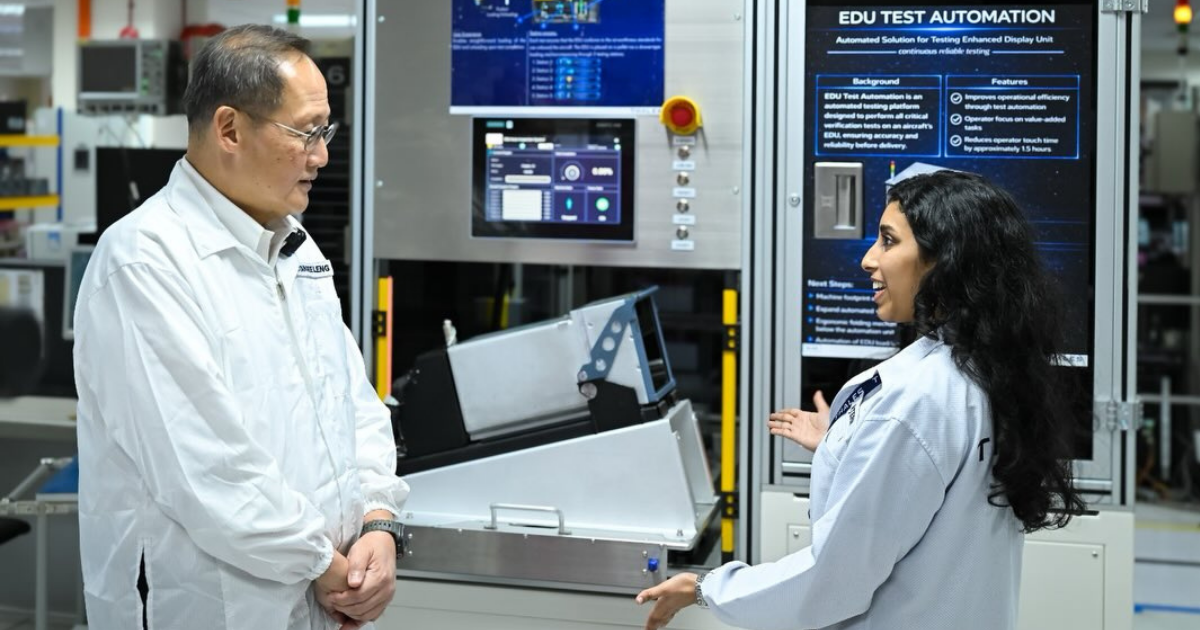
“MOM…has embark on a pilot to uplift the electrical trade. As part of this pilot, we will work with industry to develop initiatives for tradespeople, such as a more structured career and skills progression ladder, and apprenticeships,” announced Minister for Manpower Dr Tan See Leng.
With job anxiety a real concern for many Singaporeans, Dr Tan assured us that the PAP will continue to refresh its policies so that growth remains “anchored in opportunity”.
“No one will be left behind. Together, we will collectively shape a future of work where every one of us can contribute with confidence, grow with purpose, and look ahead with assurance,” said Dr Tan as he rounded up the debate.