
Singapore’s status as a transport hub is the result of strategic long-term planning. Our world-class airport, the mega port development in Tuas and an ever-expanding rail network nearly 250km long is emblematic of our desire to remain constant and connected to the global economy.
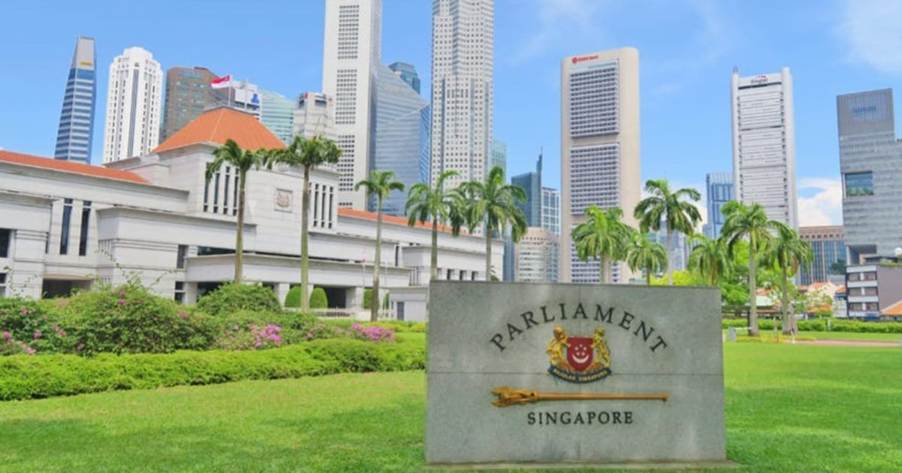
It is with this in mind that Acting Minister for Transport Jeffrey Siow sets out his ministry’s plans for the year. Speaking in parliament (Mar 4), Mr Siow said the government will focus on building a “future-focused” and “people-centric” transport system to connect Singaporeans, not just with one another but the world.
Expanding our MRT network
Beginning with just 5 stations in 1987, Singapore now has more than 160 stations across six lines. And more are being added by the day!
This year, we will finally ‘close the circle’ on the Circle Line, with work on the final stages of the line due for completion. New stations will also open along the Thomson-East Coast Line and the Downtown Line later in the year.
Mr Siow also announced plans to start engineering studies for a new Seletar Line, which will provide more travel options for residents in Sengkang and Serangoon.
As promised, these expansions to our rail network will bring Singapore closer to the goal of having eight in ten households within a ten-minute walk of a train station by the 2030s.
Improving first- and last-mile connectivity
Acknowledging that public transport may take two to three times longer than private transport, Mr Siow pledged to narrow the gap by improving first- and last-mile connectivity.
One way is through Autonomous Vehicles (AVs), which will allow more buses to be deployed without labour constraints.
AVs, which have been on trial in Punggol since last September, will be open to the public from April 1. In areas not previously served by direct transport links, the shuttles have helped to slash travel times by up to 15 minutes.
“If all goes well, I intend to trial AVs in other parts of Singapore, such as Sentosa, Tuas and Mandai,” said Mr Siow.
In addition, first- and last-mile connectivity also includes infrastructure.
Covered linkways, which protect us from the elements, are now extended to an 800-metre radius of MRT stations in areas of high foot traffic, said Minister of State for Transport Baey Yam Keng.
The government is also installing lifts in over 100 overhead bridges in areas that serve more seniors, added Mr Baey.
Growing the aviation sector
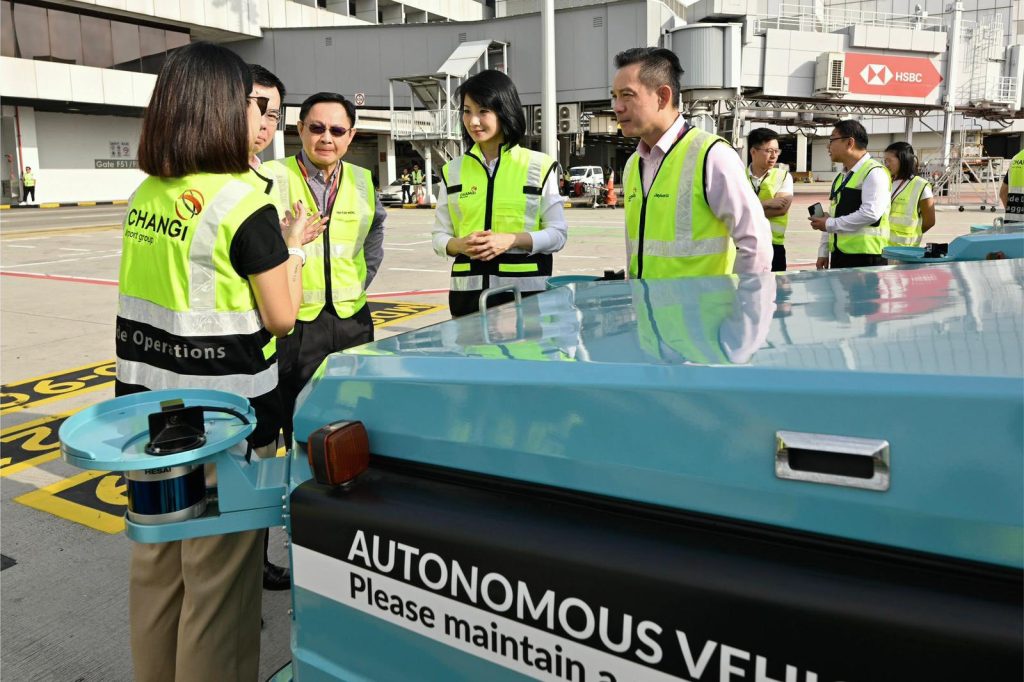
As a small and open economy, Singapore needs to stay connected to the world. And in doing so, it opens up good jobs and opportunities for Singaporeans.
Changi Airport’s growth has created over 60,000 quality jobs in aviation, shared Senior Minister of State for Transport Sun Xueling.
The completion of Terminal 5 in the mid-2030s will further drive-up demand for workers in the aviation industry.
To prepare Singaporeans to seize these opportunities, the Civil Aviation Authority of Singapore (CAAS) will start working with Institutes of Higher Learning (IHLs) and NTUC to nurture the next generation of aviation professionals.
Putting people at the centre of everything it does is the hallmark of Singapore’s transport policies.
And our investments in infrastructure and people will ensure that Singaporeans can stay mobile and connected to get to where they want to go.