Singapore is a food paradise, and our food obsession runs deep. At the government level, the focus is on securing our strategic food supply chains, and keeping Singaporeans healthy.
Climate change, diseases and wars have threatened to disrupt Singapore’s food supply over the years, said Senior Minister of State for Sustainability and the Environment Zaqy Mohamad.
“This is why we need to build options and flexibility to deal with the different types of disruption… (and) that during disruptions, there is still food on the tables, on our shelves and meals remain as familiar as possible to Singaporeans,” said Mr Zaqy.
To achieve this, the government has been diversifying import sources and deepening partnerships to secure food supply chains. It has also stockpiled essential food items such as rice and canned food.

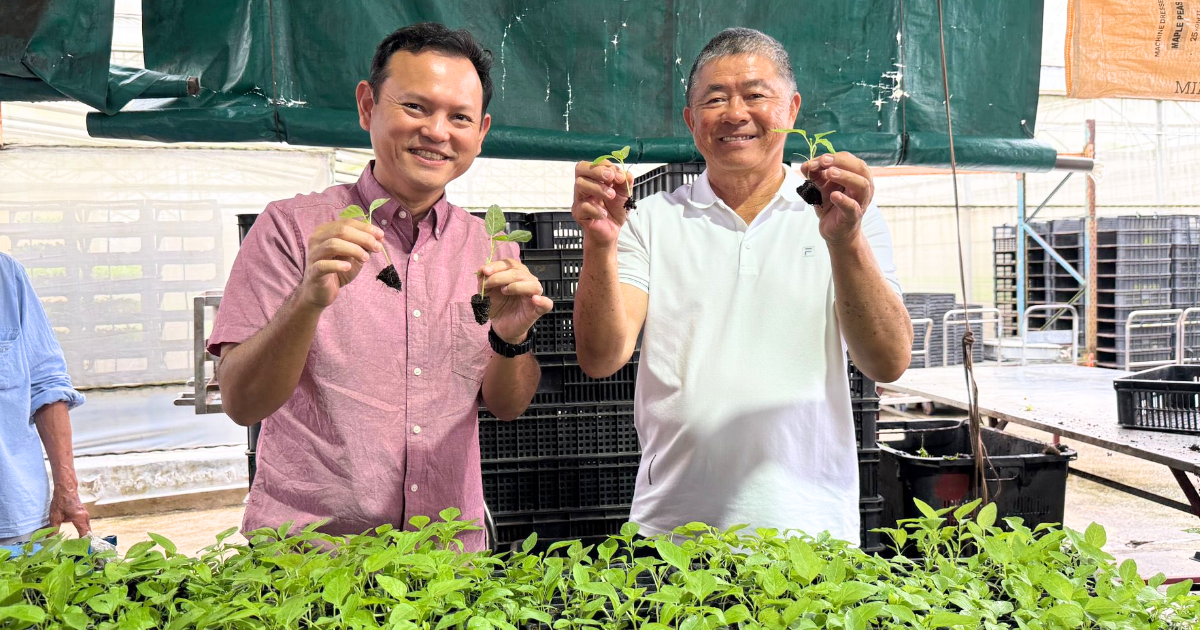
But ultimately, stockpiles are finite, and imports can still be disrupted. That is why growing fresh food locally remains an important strategy in our food story.
During the debate on the Ministry of Sustainability and the Environment’s spending plans (Mar 4), Mr Zaqy announced a new $70 million fund to help local farms adopt new technologies and expand production over the next 5 years.
From xiao bai cai to tomatoes, as well as eggs and seafood for protein, local farms can provide us with a regenerative source of fresh food even during prolonged disruptions, said Mr Zaqy.
Battling the heat and rain
Besides securing our food supply, Singapore must adapt to more erratic weather due to climate change. Hotter days and heavier rains come to mind.
To combat rising temperatures, the government has established a new “Heat Resilience Policy Office”. The new office will bring together efforts across various agencies, including MND, MOH, MOM and MSF, to understand heat impacts and develop cooling solutions.
In addition, the government will launch a $40 million Funding Initiative to address the impact of heat on those who are more vulnerable, such as the elderly and outdoor workers.
“We aim to develop tailored guidelines and solutions to help everyone thrive in a warming world,” said Senior Minister of State for Sustainability and the Environment Janil Puthucheary.
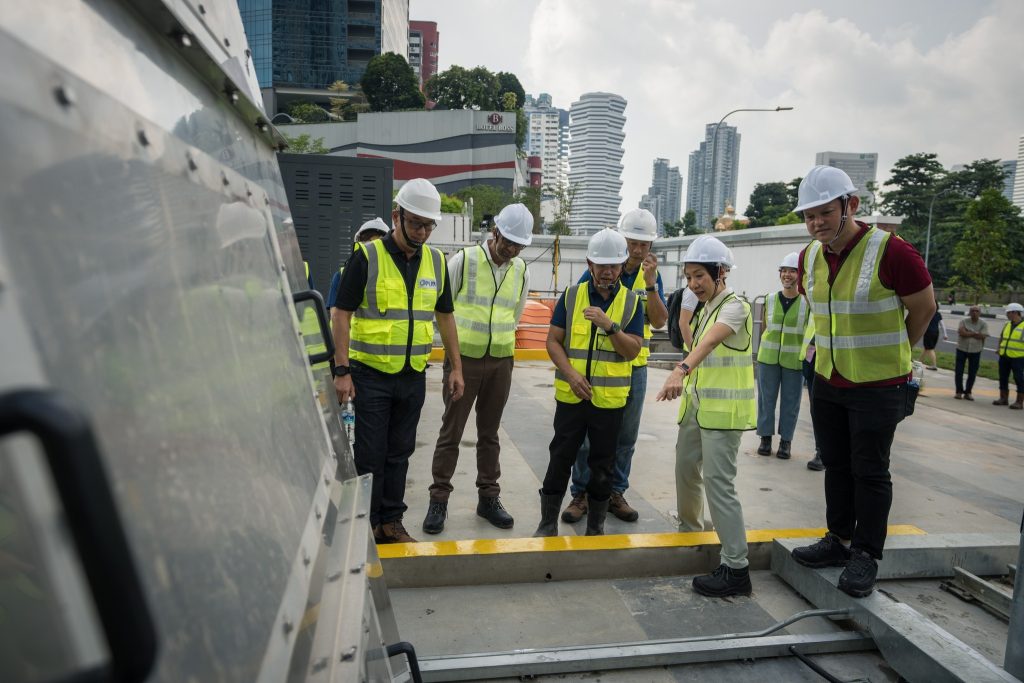
On flood protection, the government will continue to carry out drainage improvement works. It will also make use of AI to enhance the predictions of heavy rainfall and strong winds.
Rounding up the debate, Minister for Sustainability and the Environment Grace Fu added that given the intensifying effects of climate change, building a climate-ready Singapore must start now.
“We must prepare our infrastructure, businesses and people today to be resilient…(and) safeguard our way of life, including those with more needs – the elderly, the young and lower-income households,” said Ms Fu.