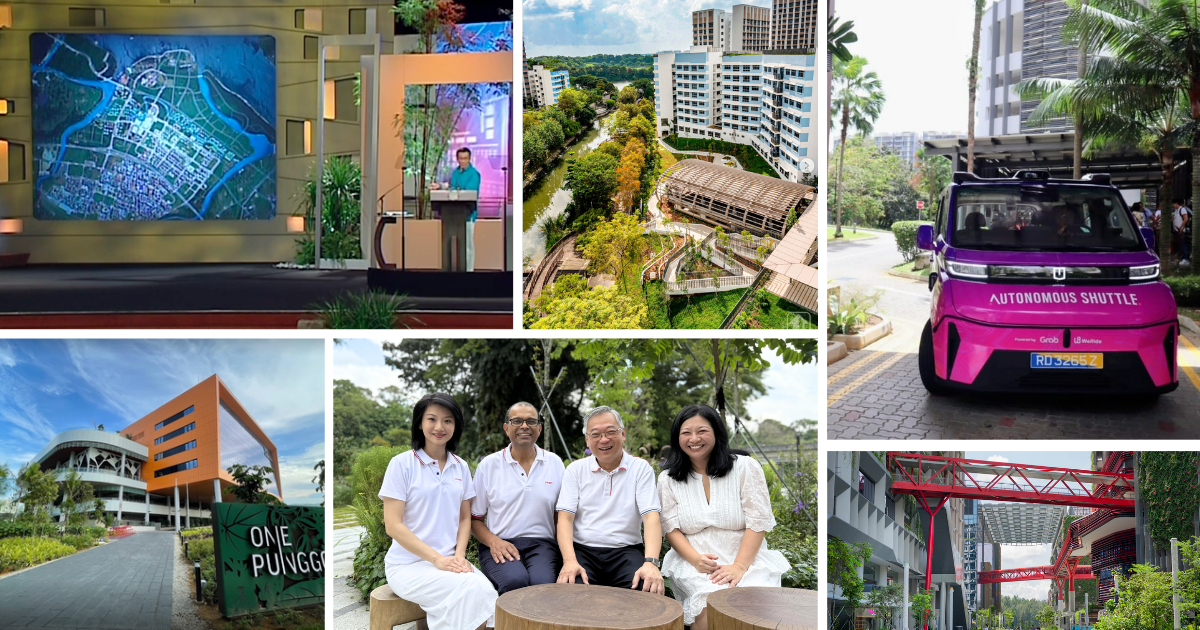
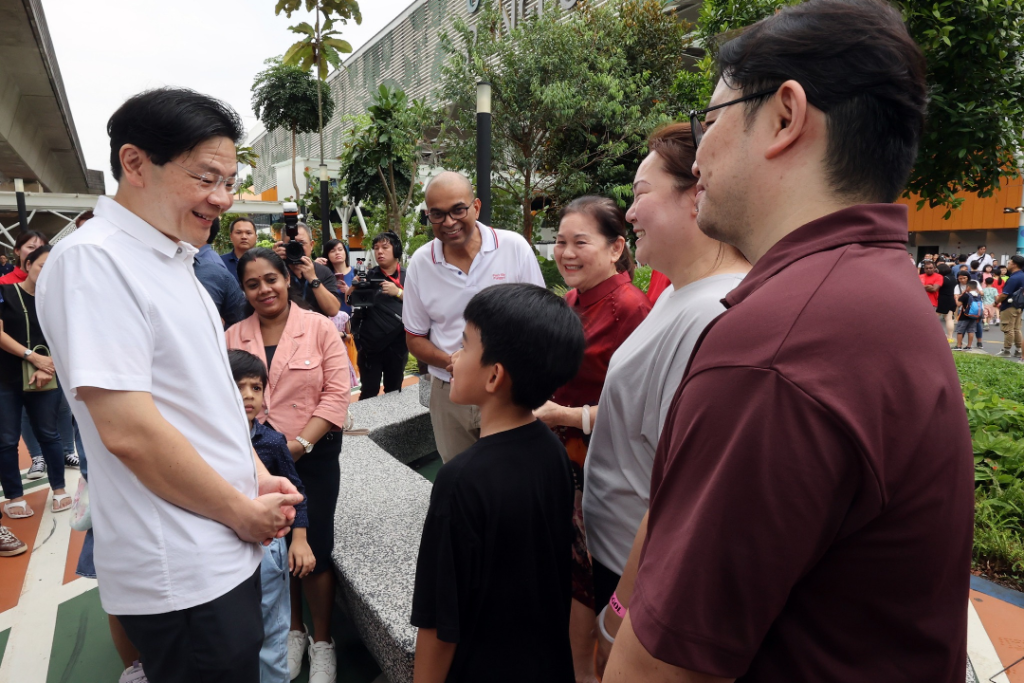
It was not that long ago that Punggol was seen as Singapore’s final frontier. In fact, Prime Minister Lawrence Wong’s anecdote at the opening of One Punggol encapsulates just how far Punggol has come.
In his telling, once in the early 2000s, he was on his way to visit a relative’s house for Chinese New Year when PM Wong found himself hopelessly lost.
“This was the days before GPS, and even the street directory had not been updated with Punggol streets. It was very hard to find my way around here, a lot of construction, a lot of empty buildings, even the road signs were not very clear, and I was thinking to myself, ‘Goodness, this is really frontier territory’”, shared PM Wong.
Since then, Punggol has undergone a metamorphosis. In place of a vast construction site, visitors are greeted by the iconic Punggol Waterway. The man-made canal, over 4km long, runs through the heart of town. It is here that we find families strolling along the waterfront and kayaks moving slowly across the water.
A short distance away are the glassy new buildings from the Punggol Digital District – Singapore’s newest innovation hub that generates nearly 30,000 jobs.
So how did Punggol, an area once defined by wartime scars and a farming community, become a high-tech utopia and home to many young families?
Punggol in colonial times
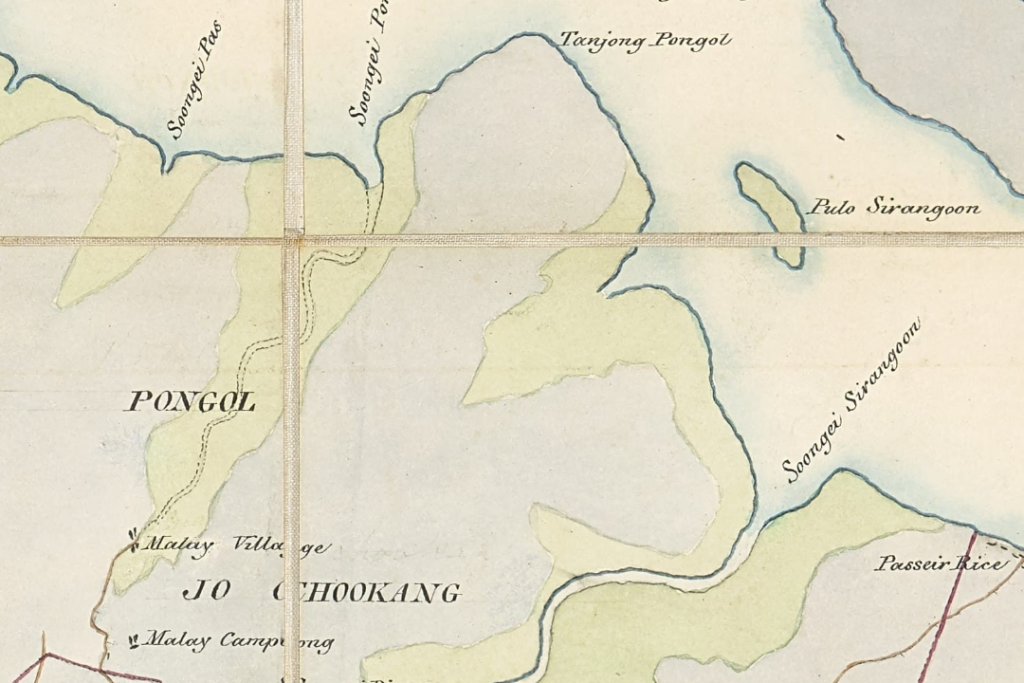
For hundreds of years, Punggol was home to fishing communities. One widely held theory for the origin of the name Punggol comes from the Malay word punggah, which refers to the unloading and loading of goods, perhaps referring to the fishing commerce of the time.
Another theory states that the Malay word punggor, meaning a fallen tree trunk, likely of the asam jawa or tamarind tree, lends its name. Yet another theory states that Punggol comes from the word punggai, referring to a stick being thrown at tree branches to bring down fruit.
As different as these theories are, they point to a bucolic, rural existence for most of Punggol’s history. Even as Singapore grew during colonial British times as a trading port, much of Punggol remained the same.
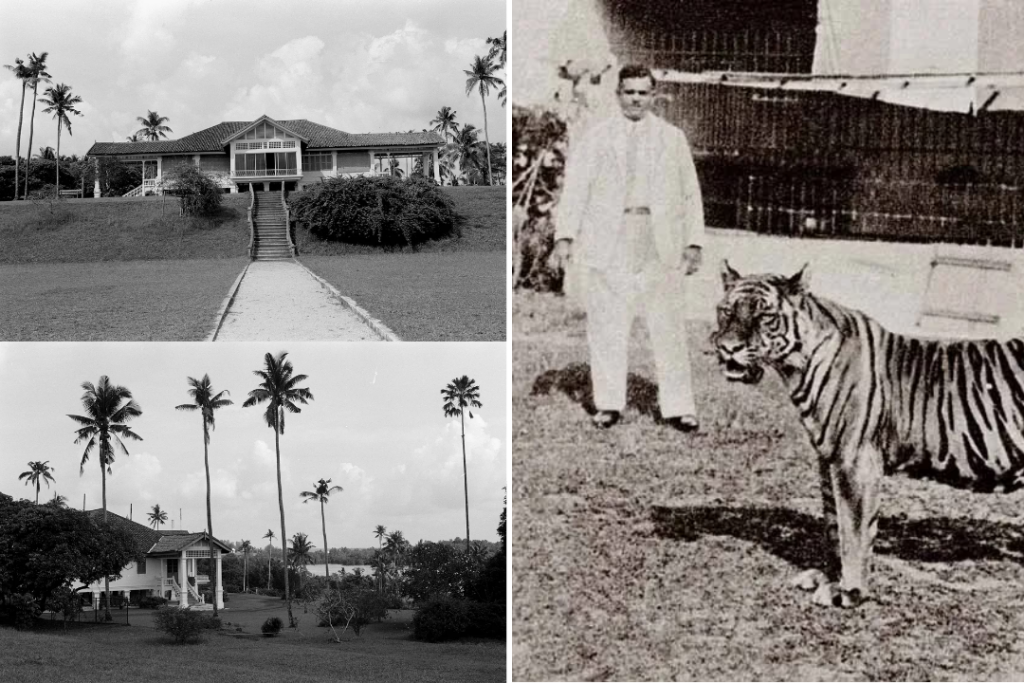
Indeed, much like the families enjoying their BTO HDB flats today, Punggol’s waterfront setting meant it was a popular location for wealthy colonial administrators to build their holiday homes.
Today, only one of these historical bungalows still stands. The 120-year-old Matilda House, built by Irish lawyer Alexander William Cashin, is now the clubhouse of a private apartment complex.
With its lush, untamed terrain, Punggol was also the ideal home for Singapore’s first zoo. In 1928, the colourful and eccentric William Lawrence Soma Basapa bought over an 11-hectare estate to house his growing collection of animals.
The zoo, which housed over 200 animals, including tigers, chimpanzees, and a pair of polar bears, became a popular attraction. W.L.S Basapa was one of the first Asians, and the first person from Singapore, to be inducted into the Zoological Society of Great Britain.
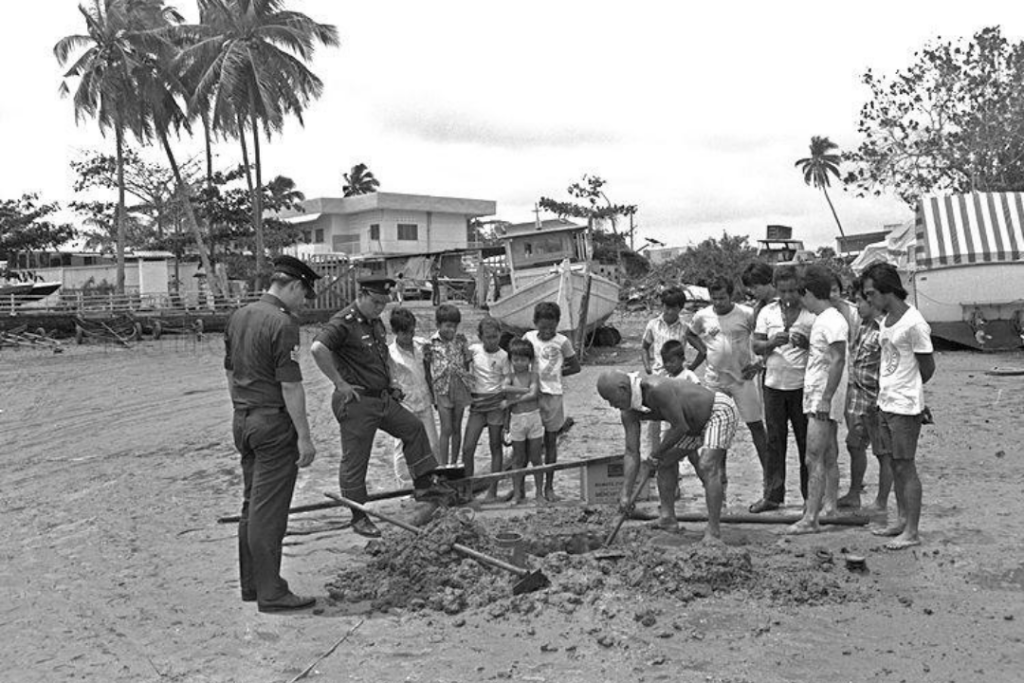
With the outbreak of WW2, the zoo was closed in 1942 due to the Japanese Occupation. In one of the most tragic events of Punggol’s history, some 400 Chinese civilians were executed on Punggol Beach by Japanese military on February 28, 1942.
A farming revival in independent Singapore
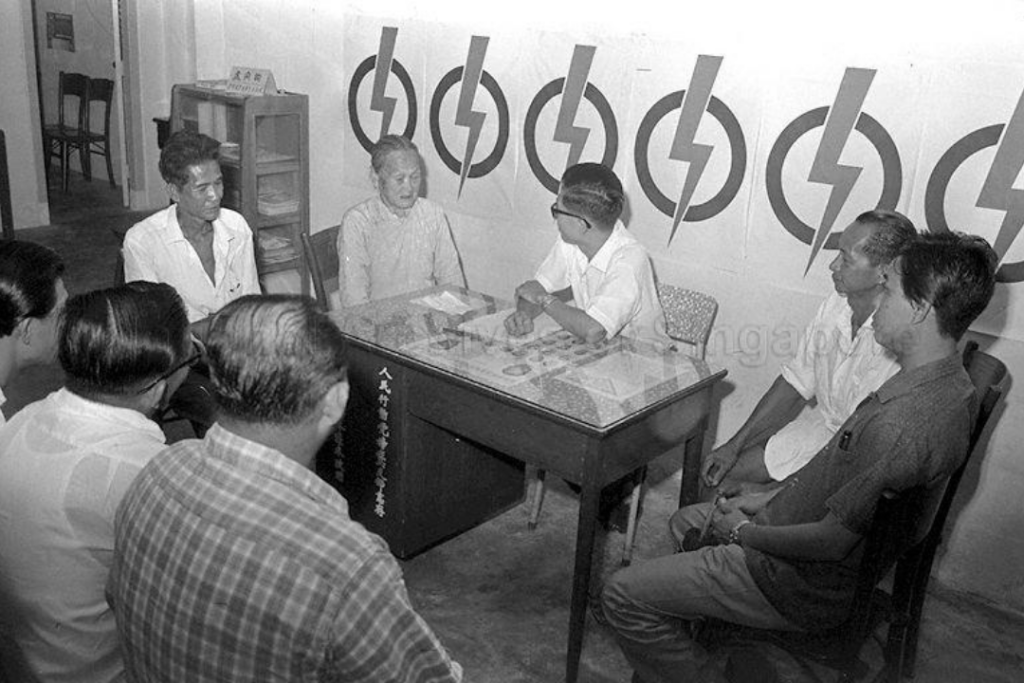
After gaining independence, Singapore went through a period of rapid change. Determined to improve the lives of Singaporeans, the PAP set about building new homes, schools, parks and industries.
Throughout the 70s and 80s, entire new towns were being constructed, replacing crocodile-infested swamps with modern, shiny high-rises.
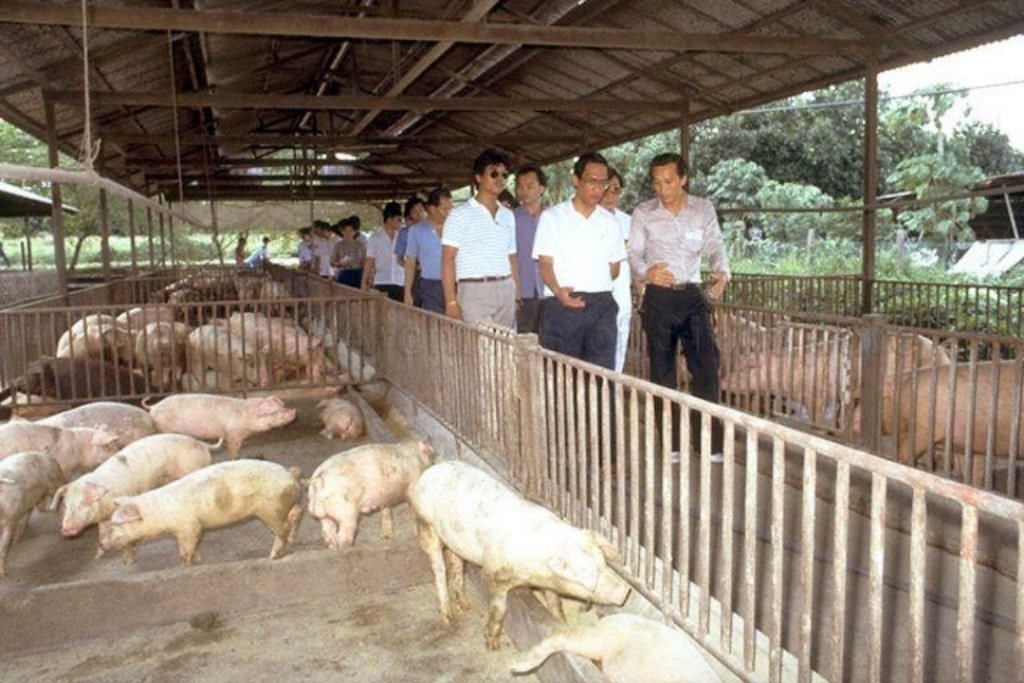
Despite these changes, Punggol clung to its agricultural roots. In 1974, the government allocated 620 acres of land for commercial pig farming. At its height, there were nearly 250 pig farms, producing over 80,000 tonnes of meat every year.
A decade later, Punggol Fishing Port began operations. The arrival of a wholesale market established Punggol as a go-to destination for seafood lovers.
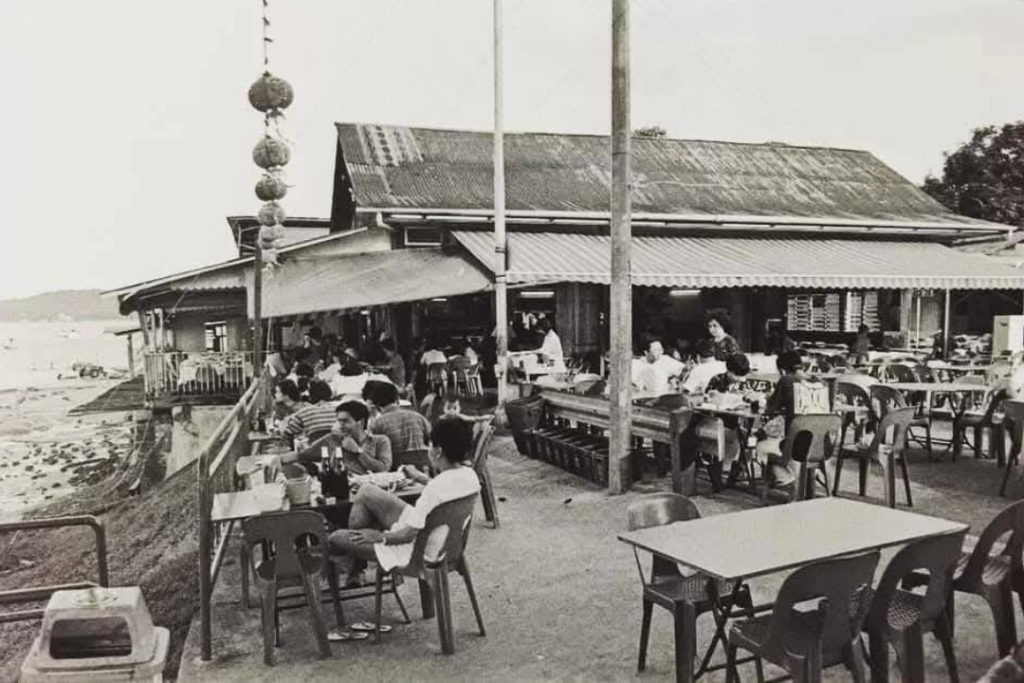
Like the Europeans who were drawn to the tranquillity of Punggol nearly a century ago, Singaporeans, too, began flocking to the area. With waterfront boatels (places for boats to dock, and where basic accommodation was provided) and seafood restaurants sprouting at the end of Punggol Road, Punggol became the perfect weekend escape from the hustle and bustle of city life.
The wild north no more
By the 90s, Singapore had moved away from labour-intensive industries into advanced manufacturing and a global financial centre. The transformation ushered in Punggol’s agriculture swan song.
Pig farming, which was not only land-intensive but also environmentally damaging, was no longer commercially viable. As a result, Singapore’s last pig farms closed their doors in 1989. The seafood village, once the OG of waterfront dining, moved out when the land it sat on was acquired for development in 1994. In 1997, the Punggol fishing port had also shifted to Senoko.
The loss of Singapore’s agricultural heartland marked the end of an era. But there were bigger plans in store for Punggol.
In 1996, the PAP Government announced the “Punggol 21” plan. The vision was to turn the once sleepy backwater into a thriving, tech-enabled and sustainable town.
The 1997 Asian financial crisis, however, threw a massive curveball at the project. Demand for housing fell sharply, amidst heavy economic downturn and retrenchments. Over 31,000 housing units were still unsold in the early 2000s.
It was a tough time for the early residents of the new town of Punggol. As then-MP for Punggol North, Penny Low, recalled in a 2021 interview,
“The Asian economic downturn of 1997, and the 9/11 attacks in 2001 had caused a plunge in the sale of flats. […] Very often, I would drive around the estate to count how many units were lit up- a telling sign of households that have moved in. […] Lack of common amenities like a bus service, clinic, shopping centre, coffeeshop and supermarket, led to fury brewing on the ground.”
Despite the difficulties of the economic downturn, both MP and residents rolled up their sleeves and got down to work.
“[I asked the residents] to choose some five representatives to speak for the whole group and have a conversation about how best to develop the town,” recalled Ms Low.
“The residents because pseudo town planners. They would put forward ideas. The agencies were open-minded and professional too- they shared the blueprints and sought input upfront, rather than post. This allowed the residents to [input] their design ideas as well as amenity needs and wants into some of the projects.”
Together with residents, the government persevered. An updated Punggol 21 plan was in the works.
As PM Wong recounted his ordeal of finding his way around Punggol in the early 2000s, he was, in fact, a witness to Punggol’s rebirth as a high-tech eco-town.
A model for future living
During the National Day Rally in 2007, then-Prime Minister Lee Hsien Loong unveiled the long-awaited (and upgraded) plans for Punggol.
Using satellite images, SM Lee explained how Sungei Punggol and Sungei Serangoon, two rivers bordering the two ends of Punggol, would be joined up by a waterway cutting across the new town. There would also be new flats, both public and private, alongside malls, retail outlets and a promenade with alfresco dining options.
These ideas laid the groundwork, turning the vision of a waterfront town into reality.
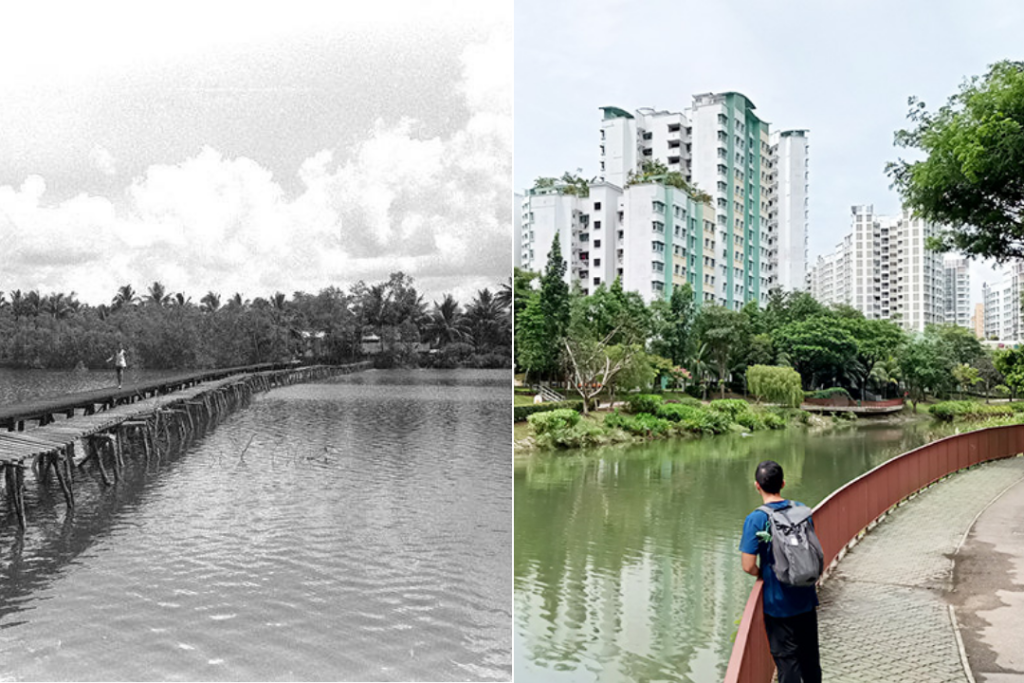
Today’s Punggol is a far cry from its former self. While the remnants of pig farms and fish markets have long washed off, Punggol’s identity as a green (and blue) space remains.
Besides Punggol Waterway Park, the buzzing and vibrant town is also home to Coney Island. Previously known as Serangoon Island and owned by the Har Paw brothers, the island is now an ecological park housing a variety of fauna and flora, including Singapore’s loneliest cow at one point.
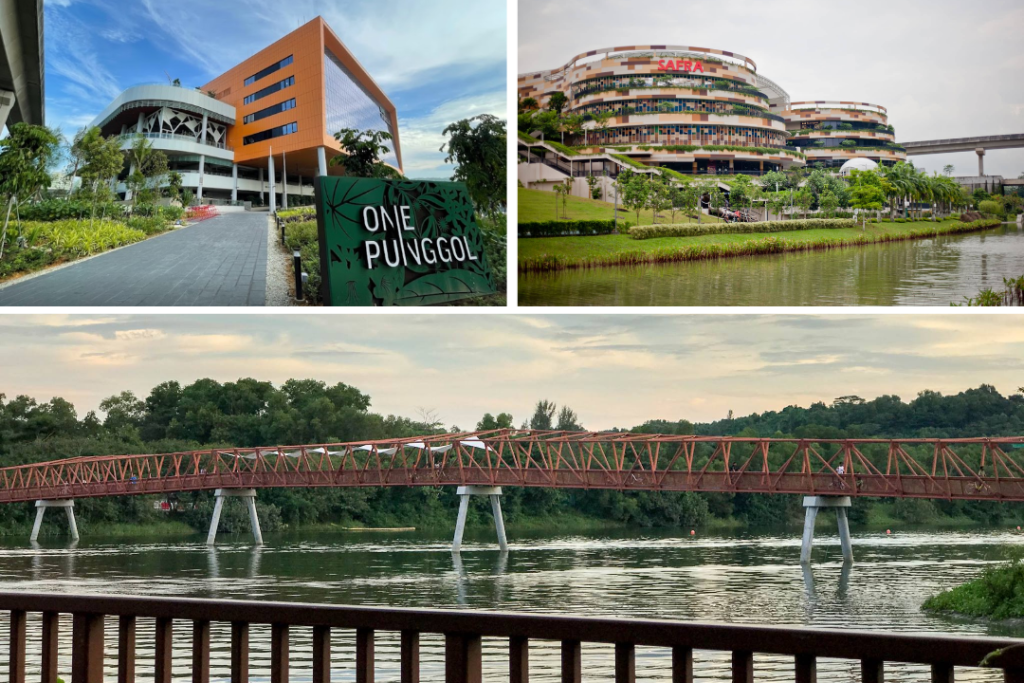
As Punggol town grew, so did its transport options. Trains, buses, and most recently, a fleet of autonomous vehicles (AVs) to bridge that first and last mile gap have helped make travel around and to Punggol increasingly convenient for its residents.
Indeed, for a town once served by only a single rural road, Punggol is about to get even more connected.
Due to be completed in 2032, an extension of the Cross Island Line into Punggol will cut down travel time to Pasir Ris from 45 to 20 minutes.
Meanwhile, the expansion of the Sengkang-Punggol LRT (SPLRT) depot will allow more trains to be deployed during rush hour. This will mean shorter waiting times for commuters.
“The ability for us to connect people to where they work, where they want to enjoy themselves, live, work and play, is very important,” said Senior Minister of State and MP for Punggol GRC, Dr Janil Puthucheary.
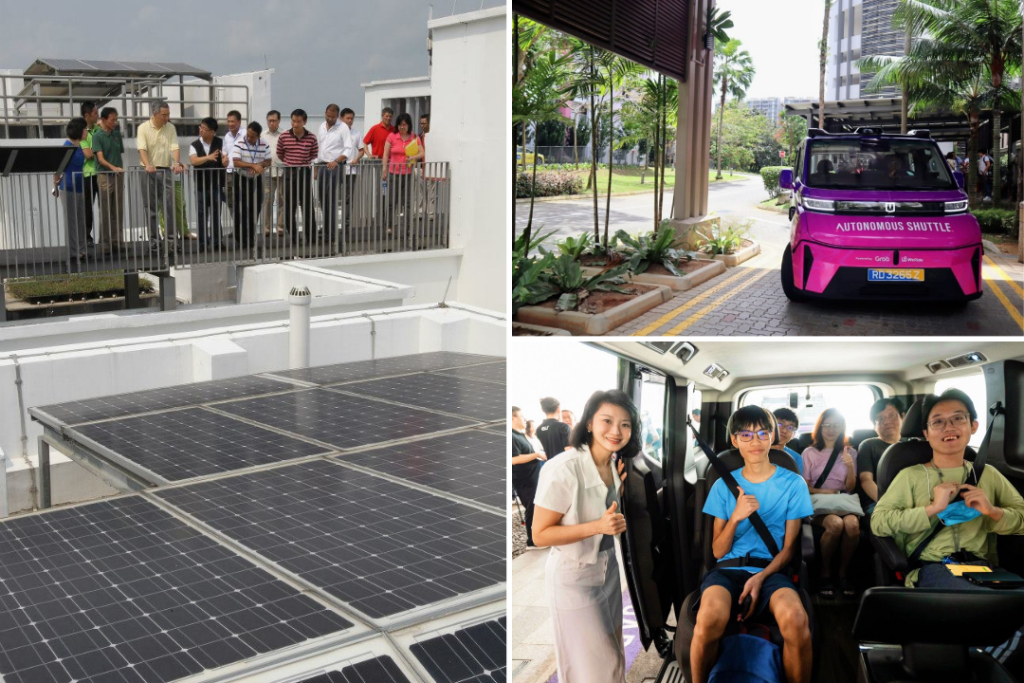
At first glance, Punggol’s development mirrors that of many others. However, what sets Punggol apart is its emergence as the leader of Singapore’s digital and green future. As the nation’s first ‘eco-town’, Punggol is often a testbed for many urban solutions. In other words, Punggol residents often get first glimpse at the future!
From large-scale solar deployment in HDB blocks to smarter water and waste management, and autonomous vehicles, Punggol continues to push the boundaries of what sustainable living can look like.
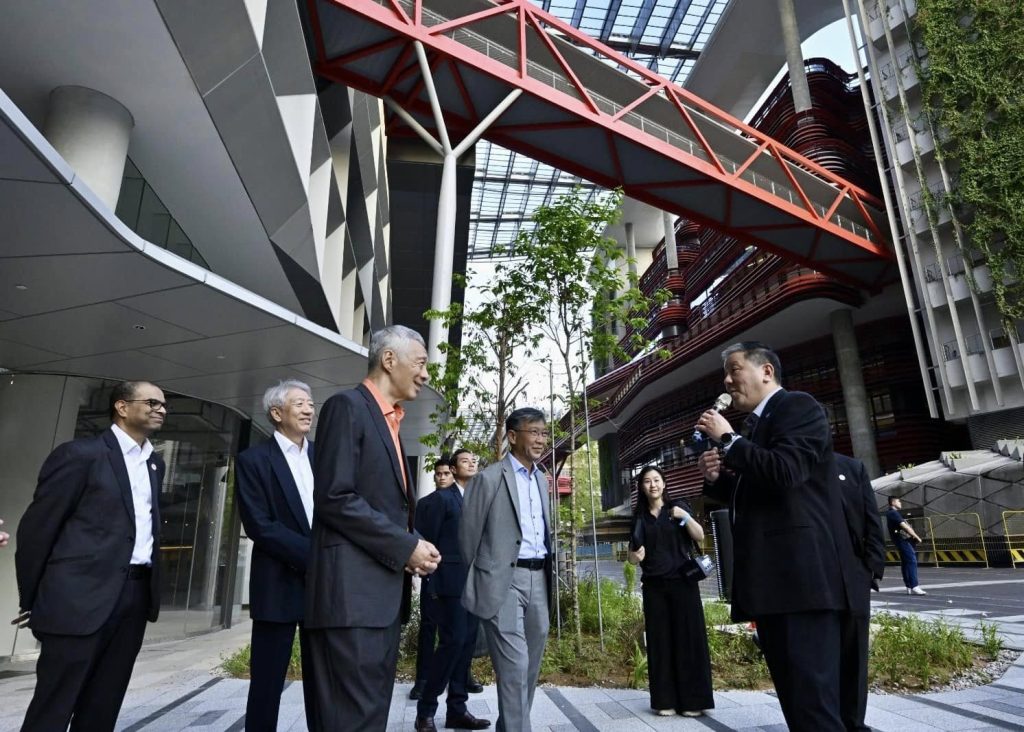
In addition, the opening of the Punggol Digital District (PDD) in 2021 (three years ahead of schedule) has added a new layer of vibrancy to the area. Moreover, it offers a glimpse into Singapore’s future.
Spanning over 70 football fields, the PDD is now home to many technology players and a university campus (i.e. Singapore Institute of Technology). The PDD has transformed the quiet residential enclave of Punggol into a digital innovation hub.
“The digital economy is a bright spot for businesses around the world and critical to the economic success for Singapore and Singaporeans,” said Minister for Trade and Industry Gan Kim Yong and MP for Punggol GRC.
“As a living lab for new concepts and solutions in AI, robotics, blockchain, cybersecurity and smart living, the PDD will create good job opportunities for Singaporeans, including those living and studying in the Punggol district.”
The ties that bind
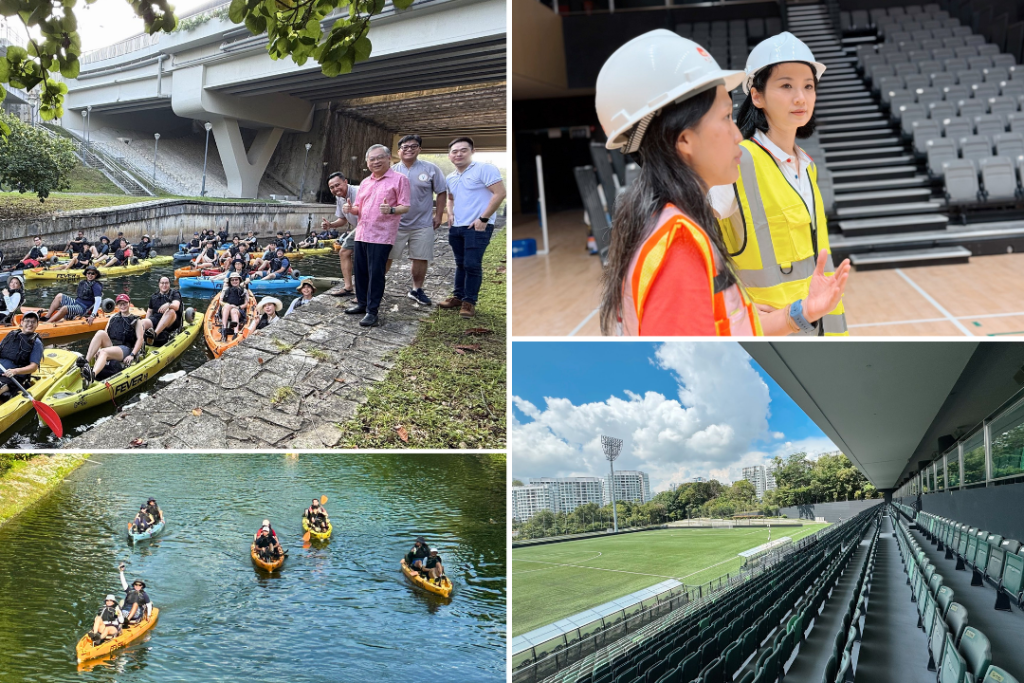
Punggol’s development captures more than just urban renewal. It reflects how the PAP governs — with careful, long-term planning, agile changes when circumstances dictate but through it all, the determination to see it through, even when challenges arise.
However, building a town is not just about blueprints and buildings. It is also about people.
Here is where successive generations of PAP MPs, volunteers and residents have come together, turning Punggol into a place Singaporeans can call home.
Through community programmes, they strengthen the bonds between neighbours. In their daily engagement, they gather feedback from residents to make Punggol a more liveable and inclusive space.
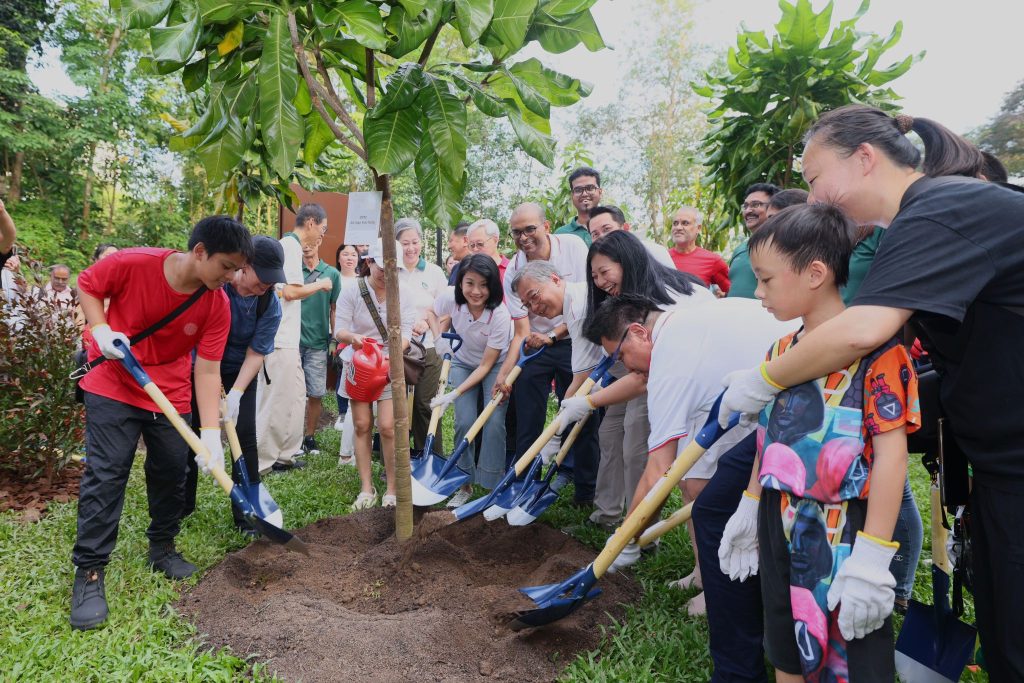
Punggol’s waterway may be man-made, but in the lyrics of that national standard “Home” it is also a river that brings us life, creating a shared space for people.
More importantly, it shows something deeper about Singapore. That even without natural resources, we can create our own opportunities. The Punggol Waterway is a reminder of the grit and determination of a government that built a miracle called Singapore, creating a place we can call home for generations to come.
Picture Sources: National Archives of Singapore/ NLB