
Goh Pei Ming, Senior Minister of State for Home Affairs and Social and Family Development, is using his lived experience and community insights to lead the charge in making quality early education affordable and accessible for every child.
At the recent National Day Rally, Prime Minister Lawrence Wong announced that affordable childcare will be available to all Singaporeans.
Full-day childcare fees for all Singaporean children will be reduced to $150 per month and infant care fees will be lowered to $300 per month at government-supported preschool centres by 2030. Lower-income families will continue to enjoy even lower fees.
The PAP government’s goal is for quality, affordable preschools within every family’s budget and accessible in every neighbourhood.
“We are ready to go further – and Goh Pei Ming, who is part of the [Marriage and Parenthood Reset] Workgroup, has been leading this work in MSF,” said PM Wong.
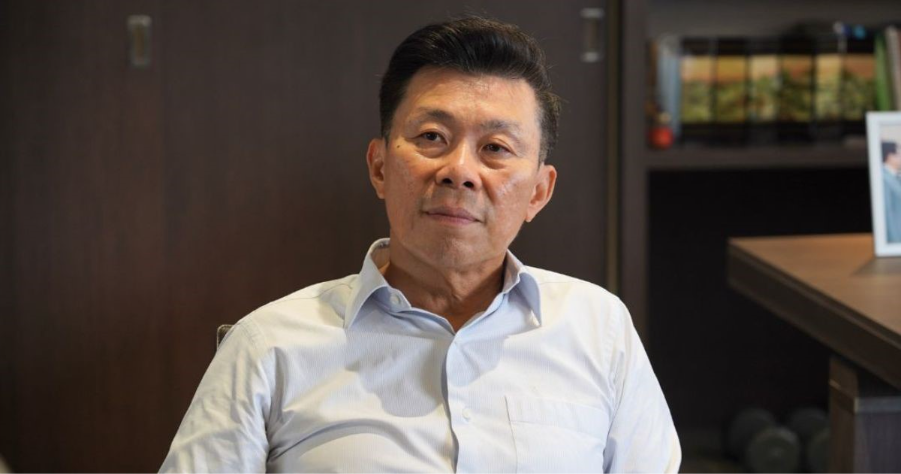
In an exclusive interview with Petir, Mr Goh, who is also Member of Parliament for Marine Pararde-Braddell Heights GRC, gave insights to how the government is working on making affordable childcare a reality for Singaporeans.
Over the past year, Mr Goh and his team at the Ministry of Social and Family Development have worked to improve Singaporean’s access to preschool education, as well as the sector’s overall development.
“I’ve done quite a bit of work to better understand how the sector has developed over the last 10 to 20, years, where it is today and why it’s as such. But I think that hasn’t stopped me from wanting to improve the sector,” he said.
One of the most pressing issues is to significantly expand the network of government supported childcare operators.
Today, there are already enough places for 80 per cent of preschoolers in government-supported centres.
With the expansion of the network of Anchor and Partner Operators, together with MOE kindergartens, the PAP government expects to be able to bring fees down to the stated goal of $150 a month for childcare, and $300 for infant care.
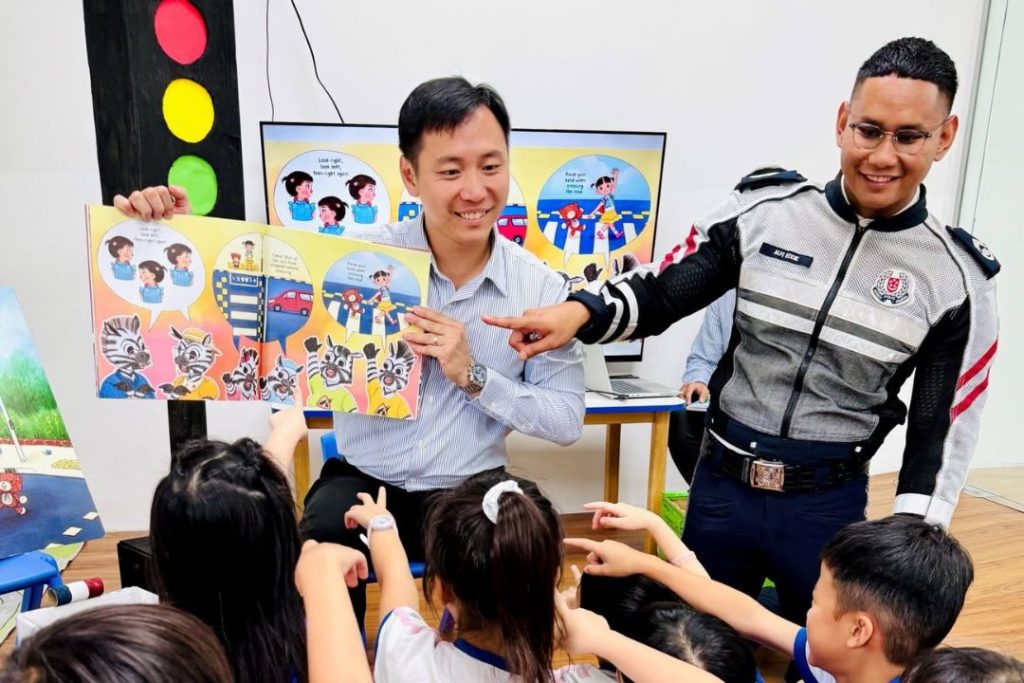
As a parent of three young children, including a kindergartener, Mr Goh felt strongly about access to preschool education even before entering politics.
“When enrolling my firstborn years ago, there was very limited capacity for government-supported preschools,” he shared. “I’ve always believed we can do more to support our young families by making preschool education more affordable and accessible.”
As an MP, his direct engagement with residents and understanding of ground realities has informed his policy making.
“The real lived experiences and lessons from our residents often help us shape better policies,” he explained. Different constituencies have different needs, for example.
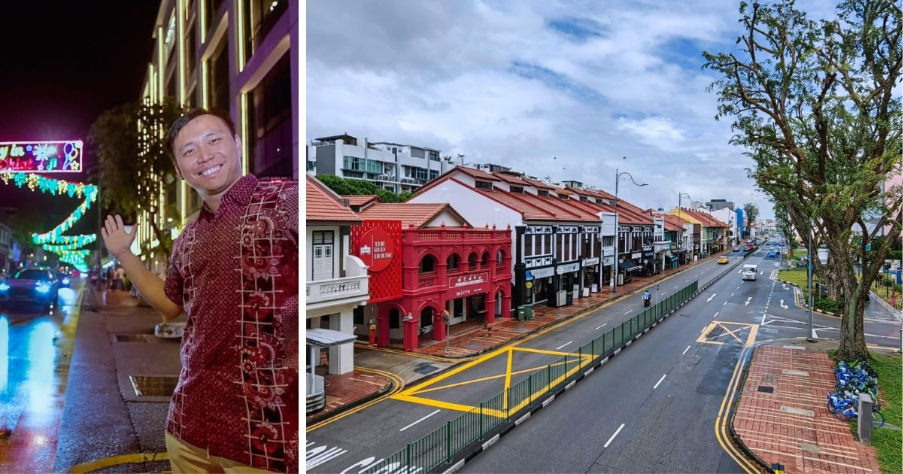
During a house visit to Katong-Joo Chiat, a mother with a two-year-old child raised concerns about the affordability and accessibility of preschools in private estates.
“She lamented how there were very few government-supported preschool options within private estates, and where preschools existed, they were often expensive and not funded by the government,” he shared.
In Singapore, monthly full-day childcare fees at non-government supported preschools generally range from $1,200 to over $4,000.
Parents can use their child’s Baby Bonus Child Development Account (CDA) to pay for fees at licensed preschool centres, he noted. However, using the CDA for preschool fees means the credits cannot be used for other eligible expenses like books and school-run enrichment activities.
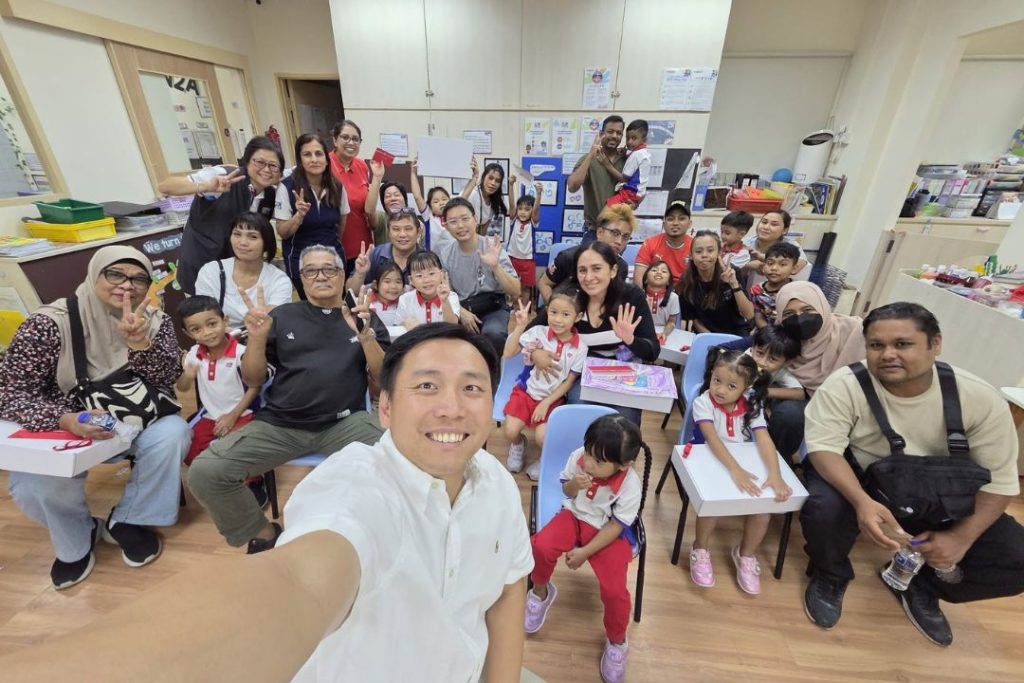
Mr Goh explained the government’s policy rationale to the young mother: the need to prioritise due to limited resources.
“In HDB estates, [there are] more families with young children within a few hundred metres from the [town] centre. Whereas in a private estate, you may not have the catchment,” he said.
However, he recognised the need to better support residents and their young children in private estates.
“As much as I tried to explain the policy to the young mother, I also wondered what more we can do to better support them. After all, they are all Singaporean.”
As an MP, Mr Goh said that his policy work and his work for residents have similar aims.
In policy making, he strives to understand why policies exist in their current form before he can improve them.
“Understanding a policy requires me to know not just what it says, but also what it doesn’t say. I need to understand the different interests of the stakeholders involved and the concerns and queries raised in the past,” he explained.
He emphasised that every political office holder must maintain this longer-term perspective on issues.
“Only when we know the history, the concerns, and the questions asked in the past will we be able to improve on it and take it further going forward. I think that’s very important.”
That approach is also evident in his work in with Marine Parade residents. As someone new to the role, Mr Goh acknowledged that he must “learn as quickly as possible and catch up”.
“I make myself accessible and known to the residents, and make sure they know I’m the one they can approach if they have any issues, concerns, or feedback on the ground.”
“I have a strong group of volunteers and grassroots leaders who are always on the ground supporting me. They have known the estate and the residents for many years, understand the issues, and have been very warm in bringing me into the team,” he said.
Like many first-term MPs, Mr Goh is a parent with young children, and like many of his residents, understand the challenges facing young families. He describes his wife as his pillar of support, helping him devote time to his constituency work while she takes care of the home front.
“Having said that, I tell myself it’s important to be there for the key milestones for my children. They are only young once, and therefore I must be there for them.”
This family support helps him to work steadily towards improving the lives of fellow Singaporeans, and speaks to the ethos encapsulated in PM Wong’s message at the NDR on affordable childcare.
“With these changes, the government will absorb a much larger share of childcare and preschool costs,” said PM Wong.
“But I believe this is one of the best investments we can make. Because every child in Singapore, regardless of their family’s circumstances, deserves a good start in life.”