Ask anyone who has returned from a holiday abroad, and they will likely tell you one of two things. How good (or bad) the food was, and at least one anecdote about being traumatised by a godawful public toilet. Now, clean toilets, or lack thereof is hardly a matter of national security. However, their necessity in our daily lives means that they affect us more acutely than many here are aware of. In fact, as the Committee of Supply (COS) debate on Tuesday (Mar 5) shows, toilets might just hold the key towards building a clean, green and resilient Singapore.
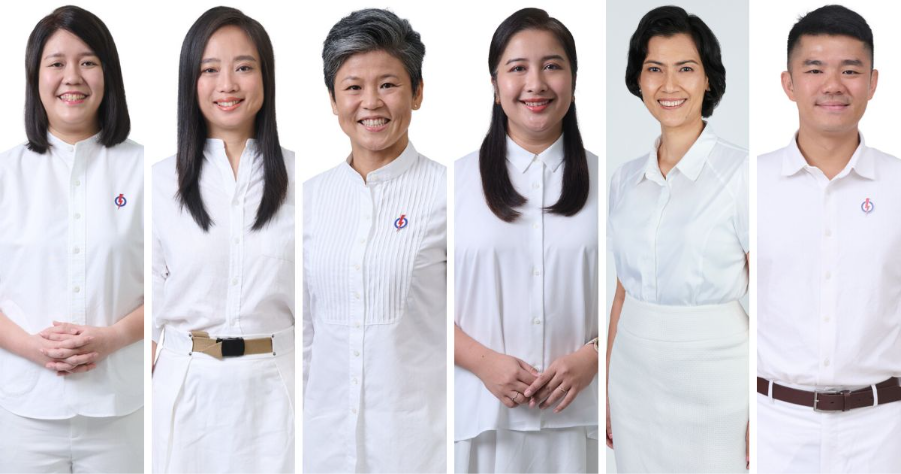
The need to keep Singapore clean was brought up by several MPs, including Ms Hany Soh (Marsiling–Yew Tee GRC) and Ms Poh Li San (Sembawang GRC), who raised the matter of public toilet cleanliness. Recent surveys show that the standard of cleanliness in public toilets at hawker centres and coffee shops remains disappointing, said Ms Poh. Similarly, Ms Soh questioned why public toilets in Singapore are in such horrid conditions despite past cleanliness campaigns.
It is all very odd. Considering the pride we have for our UNESCO-listed hawker culture, why have we not extended some of this love towards the adjoining toilets? Or is the juxtaposing of mouth-watering food alongside a cesspit of human waste a uniquely Singapore experience? Image-wise, it is hardly a good look for visitors to savour some of the yummiest food in the region, only to find themselves facing the grimiest of toilets.

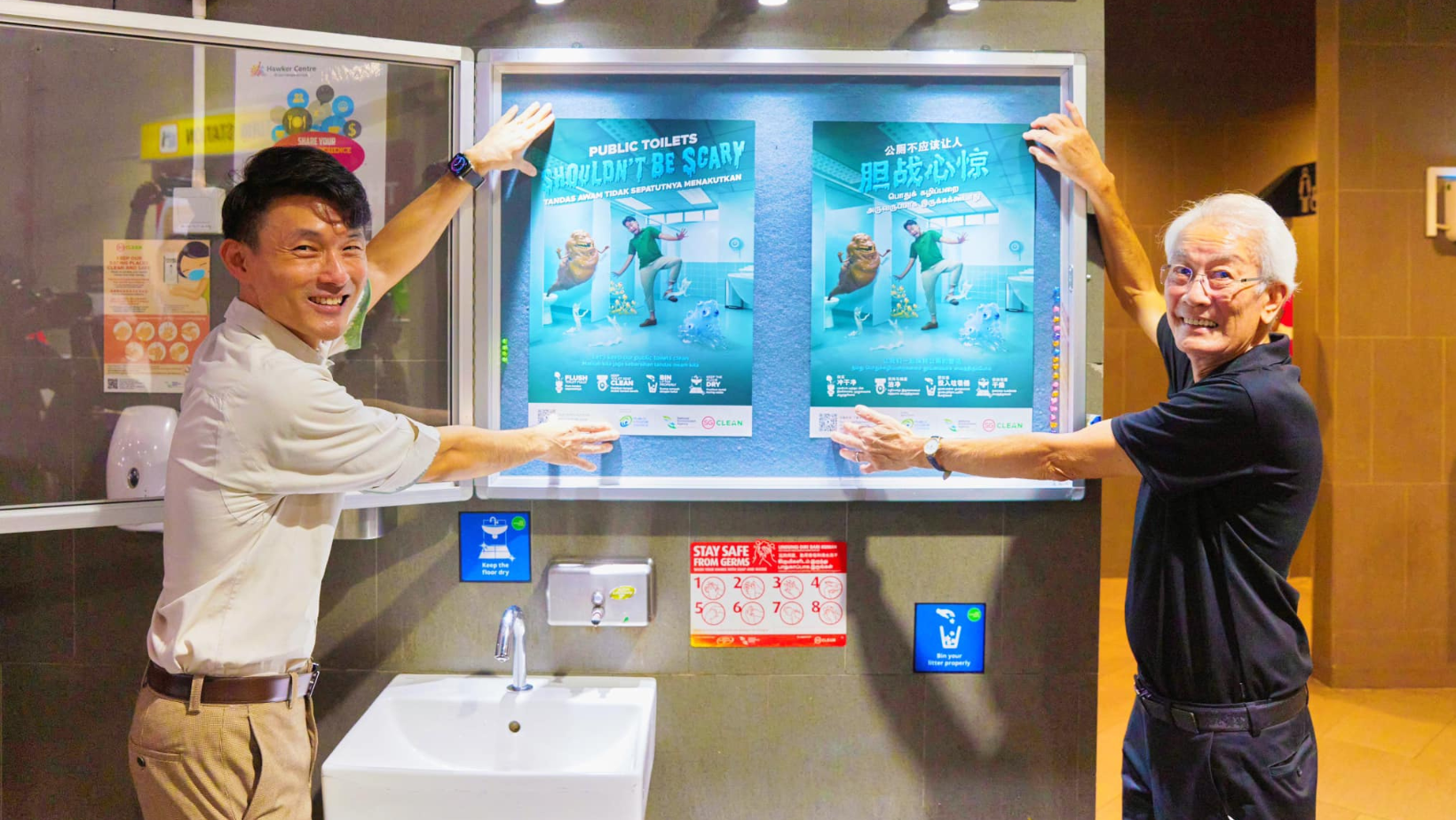
Is there a solution to this paradox? Over the last few years, the National Environment Agency (NEA) has launched an annual Clean Public Toilets Campaign to encourage Singaporeans to practise good toilet behaviour. Flush, Clean, Bin and Dry. These are simple enough instructions practised in most homes. And yet, unhygienic public toilets have remained a bugbear of many Singaporeans, said Senior Parliamentary Secretary (SPS) Baey Yam Keng.
With warnings and fines doing little to keep our public toilets clean, it is time to delve into the psychology behind this collective nonchalance. “We will form a Public Toilets Taskforce to study and recommend solutions to improve the cleanliness of public toilets,” announced Mr Baey.
All in all, this is a very typical response in Singapore. Maybe it is a case of business owners employing more cleaners, or perhaps we need to encourage graciousness in community spaces. Whatever it is, dirty toilets are a literal stain on a country with a reputation for cleanliness. As for the visceral reaction we get when we stare at dirty toilets right in the face, that is because it goes against everything we stand for about public hygiene.
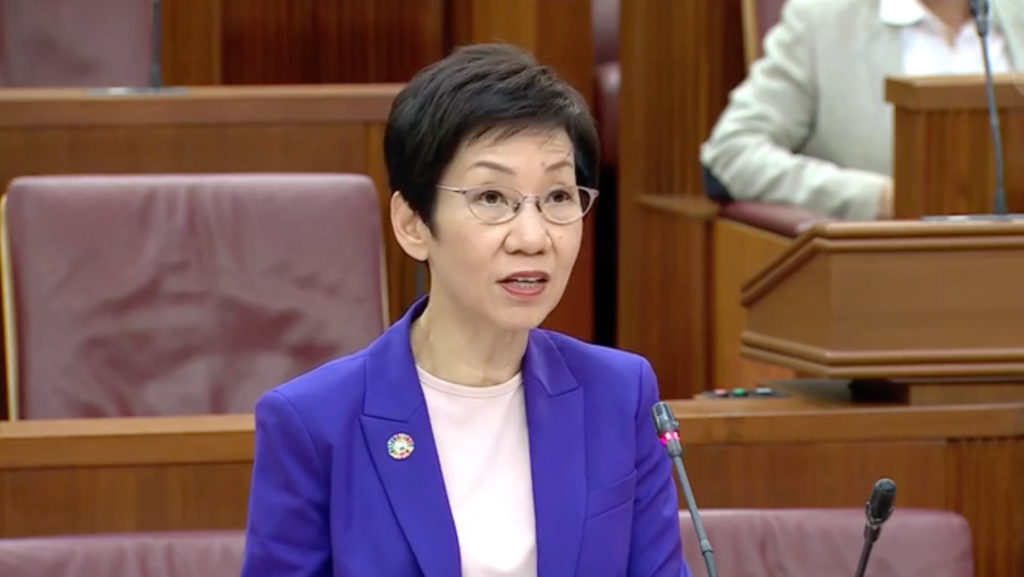
That is because public hygiene is more than just environmental cleanliness. As Minister for Sustainability and the Environment Grace Fu puts it across eloquently, “Public hygiene forms the very foundation of our well-being… It comes together to create a thriving urban environment and protect our physical and mental health.”
Now, using a dirty public toilet every now and then is not the end of the world. But imagine having to endure it day in, day out. It would turn an otherwise unavoidable body movement into a stressful and unpleasant undertaking.
But with 2024 designated as the Year of Public Hygiene, there is hope that clean public toilets at our hawker centres will be the norm rather than an exception. Government, businesses, communities, and individuals must all work together to contribute to a clean environment, safe food, clean air, and clean water, added Ms Fu. “This is the social compact that will strengthen our sense of collective responsibility to one another.”
While what Ms Fu said might sound abstract, the simple rules to Flush, Clean, Bin and Dry are not. Because in the end, Singapore is only as clean as its public toilets.
Photo Source: Baey Yam Keng via Facebook/ MCI