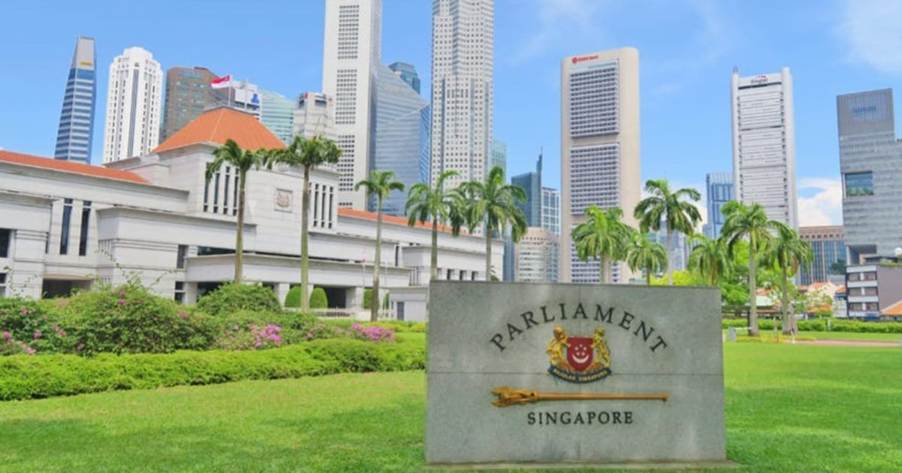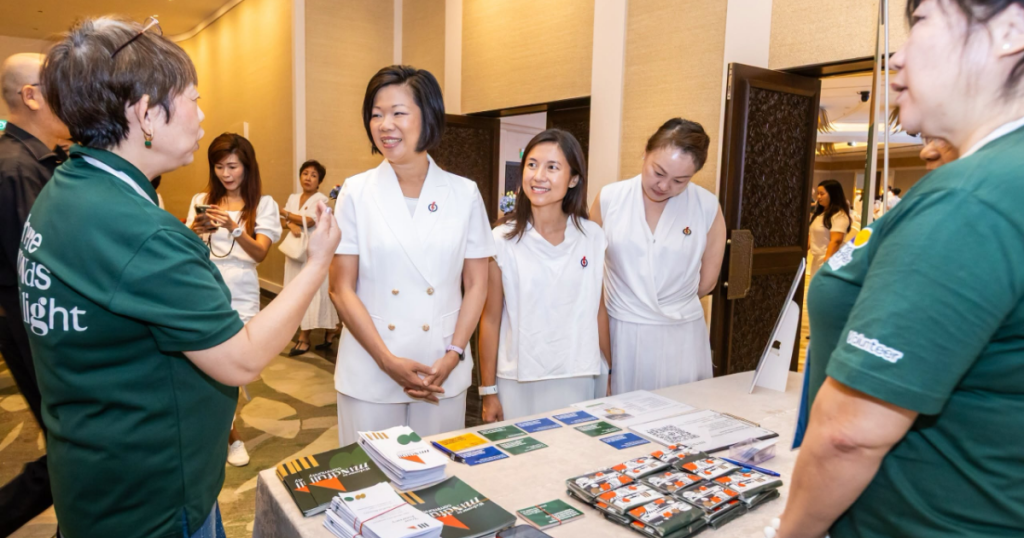
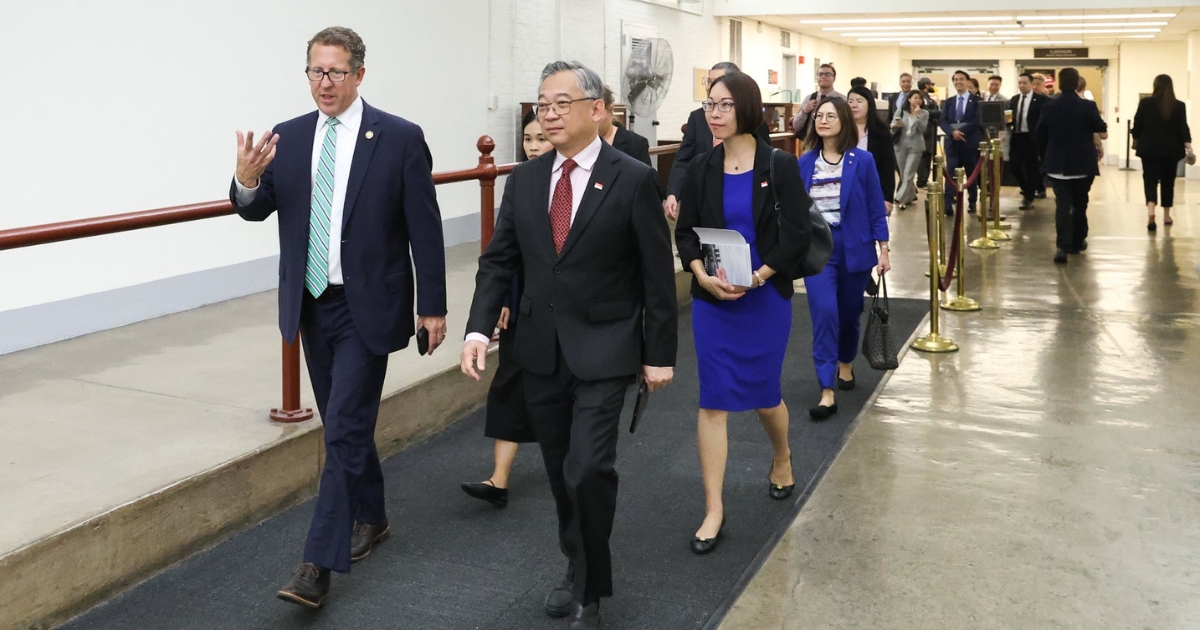
The PAP government has laid out our strategy to refresh Singapore’s economic blueprint for the difficult global era ahead (16 Sept).
The refreshed blueprint is geared to keep Singaporeans thriving.
Ministry of Trade and Industry: Keeping Singapore vital to the global economy
MTI will position Singapore as a home to leading international firms, and as a key global hub for businesses. These efforts will foster productivity- and innovation-led growth, creating good jobs for Singaporeans.
“The tripartite Singapore Economic Resilience Taskforce will support workers and businesses to navigate and respond to immediate challenges arising from increased tariffs,” said Deputy Prime Minister Gan Kim Yong. “At the same time, MTI is undertaking an Economic Strategy Review to chart a forward-looking blueprint to better position our economy, businesses, and workers in this new landscape.”
A major part of MTI’s forward planning for the economy involves expanding green and digital economy agreements, boosting solar deployment, and exploring hydrogen, nuclear and carbon capture technologies. The Ministry is also deepening integration across ASEAN and building links with new markets such as Latin America and Africa, going beyond Singapore’s existing 28 Free Trade Agreements with major economies.
Ministry of Manpower: Protecting Singaporean workers
MOM is focused on preparing Singaporeans for the future of work in an AI-driven economy.
The Ministry’s Career Health SG initiative and SkillsFuture programmes will help workers navigate transitions and gain industry-relevant skills, shared Minister for Manpower Tan See Leng.
For seniors, MOM is promoting multi-stage careers through flexible work arrangements and age-friendly jobs, while strengthening the CPF system to support retirement needs.

Source: Tan See Leng / Facebook
Schemes to support those who might be unable to set aside enough, like the Workfare Income Supplement, the Matched Retirement Savings Scheme, and the Silver Support Scheme will all continue.
“Platform workers are now covered under the Platform Workers Act, and a trilateral platform has also been set up to address challenges faced by platform workers,” noted Minister Tan. “We will study how to better support platform workers, self-employed persons, and freelancers in terms of workplace protections, reskilling, and career pathways.”
Monetary Authority of Singapore: Promoting sustained growth for now and the future
MAS is promoting sustained and non-inflationary economic growth, and continuing to foster a trusted and resilient financial sector.
“This year, MAS eased monetary policy settings twice in response to the sustained decline in Singapore’s Core Inflation rate,” detailed DPM Gan about MAS’s responsiveness to market and global financial conditions.
“With increasing global fragmentation, we must be ready for major shifts in production and supply chains. MAS will stay vigilant to the impact of these developments on growth and inflation,” he added.

Source: Gan Kim Yong / Facebook
MAS is tightening safeguards against scams, strengthening consumer protection, and supporting responsible use of AI in finance through grants and industry collaboration.
With the Financing Asia’s Transition Partnership (FAST-P), MAS will mobilise up to US$5 billion for Asia’s low-carbon transition. FAST-P will reinforce Singapore’s reputation as a trusted and forward-looking hub — and prime the nation for even more green economy investments.
National Research Foundation: Research and innovation a top priority
Under the Research, Innovation and Enterprise (RIE) 2030 plan, the NRF is building an ecosystem which keeps Singapore competitive on the world stage.
RIE investments extend beyond the economy to society at large, noted DPM Gan.
“Our National Precision Medicine Programme aims to develop more targeted treatments based on the genetic make-up of our patients and population,” he detailed. “Technologies such as floating solar photovoltaics and building-integrated photovoltaics allow us to optimise renewable energy generation from our limited land size.”

Source: Gan Kim Yong / Facebook
RIE 2030 will launch large-scale, multi-disciplinary research and development programmes in the form of RIE Flagships and RIE Grand Challenges.
“These will target selected economic sectors and national strategic priorities respectively,” said DPM Gan. “In parallel, NRF will continue to invest in talent and basic research, while strengthening Singapore’s AI and computing research capabilities.”
Research grants and fellowships will continue to nurture local researchers, and attract top-tier research talent.