
How can we get our recycling numbers up, so that we can protect our environment for future generations? We have to make recycling make cents!
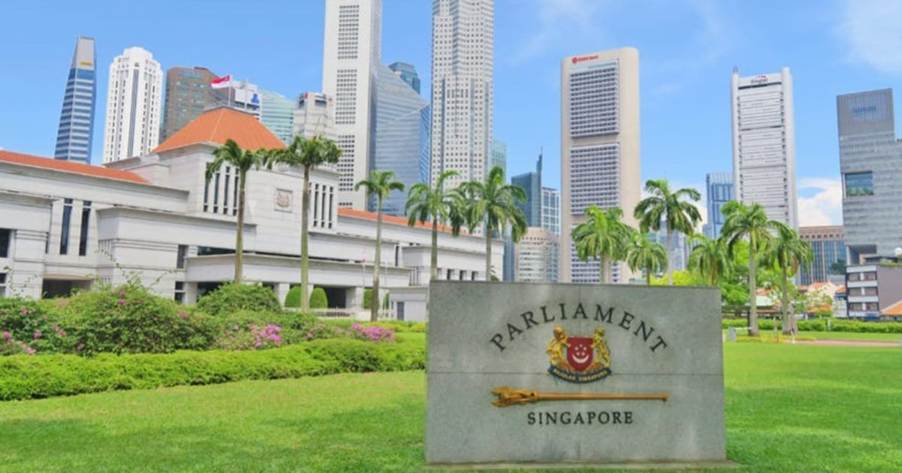
Singapore is embarking on a landmark initiative in its sustainability journey with the Beverage Container Return Scheme (BCRS), that was recently debated in Parliament (3 Feb)
Under this scheme, over 1000 reverse vending machines (RVMs) will be located across Singapore, where the public can return their empty plastic and metal beverage containers to obtain a $0.10 refund.
RVMs will be located at larger supermarkets and other publicly accessible locations with high footfall, such as void decks of HDB blocks and some hawker centers.
Senior Minister of State for Sustainability and the Environment Dr Janil Puthucheary noted that “90% of residents in HDB housing estates will live within a five-minute walk to one of these return points”.
Why the BCRS matters for Singaporeans
The scheme is designed to tackle the growing volume of waste in Singapore, particularly beverage containers that are currently under-recycled. By encouraging the return of these materials, the BCRS ensures they are processed into high-quality recyclables rather than being sent to the incineration plant.
Increasing the recycling rates of such plastic bottles and metal cans will also help us extend the lifespan of essential infrastructure like the Semakau Landfill.
“The BCRS is a significant step forward in Singapore’s recycling journey. It will take time for all of us to adjust. We will not get everything right from the start,” said SMS Janil, emphasizing the long-term mission of the scheme.
“As we gather more data, we will refine and improve the scheme. The scheme cannot succeed without the support of our residents, and I encourage members of the House to rally their communities, to participate actively and extend a helping hand to those who may need assistance in returning their containers.”
Protecting consumers from price hikes
To allay Singaporeans’ worries that these new changes may cause a rise in beverage prices, the BCRS is structured to minimise financial impact. The $0.10 deposit applied to eligible containers is fully refundable when the empty container is returned.
Regarding retail prices, SMS Janil reassured the House that competition would keep costs in check.
“I anticipate significant competition within the market to be the biggest protection that consumers will have. 80% of the beverage containers will only be attracting a cost for the producer of $0.03 to $0.04,” said SMS Janil.
“Nevertheless, NEA will be watching the beverage prices after we introduced the scheme and through the transition very, very closely.”
Support for Small and Medium Producers
The PAP Government is acutely aware of the challenges faced by smaller local businesses, which may find the transition difficult.
To assist these producers in managing transition costs such as applying deposit stickers or registering products, several support measures have been introduced, including a grant of $2,500 for all registered producers, and an extended transition period so that businesses have more time to clear some of their old stock.
SMS Janil affirmed that the Government will continue to be flexible and supportive of producers, and will address their concerns over time.
While the scheme shifts some responsibility to producers to think about their supply chains and materials, the Government remains committed to a balanced approach.
As SMS Janil said, the BCRS is a “very important step in our journey to look after our land, our resources and our environment.”