The negativity bias inherent in social media can make the future seem daunting for young Singaporeans.
People feel anxious when social media algorithms feed a daily diet of negative news on housing and jobs. Online platforms that profit from, and serve an endless parade of conspicuous consumption, will make young people feel like they’re not keeping up.
The reality offers a more positive outlook.
We have seen broad-based wage increases and sustained social mobility in Singapore.
Entry-level PMET jobs increased from 31,000 to 39,000 between June and September 2025. These are opportunities for fresh graduates and new entrants to the job market.
Around 9 in 10 polytechnic graduates secure employment within six months of graduation, a situation that has generally remained stable over the last decade.
And against all odds, Singapore’s economy has remained resilient, with growth forecast for 2026 upgraded from 1-3% to 2-4.%.
This is not to say that young Singaporeans have not had a tougher time.
Some companies have become more cautious in their hiring, either because of the post-pandemic surge in employment, or as a result of broader economic uncertainty and geopolitical developments this past year.
That is why, in the face of global uncertainties and advances in AI, the PAP Government is making long term plans and laying strong foundations to ensure that young Singaporeans can buy a home, build fulfilling careers, and lead meaningful lives.
Creating good jobs in a changing world
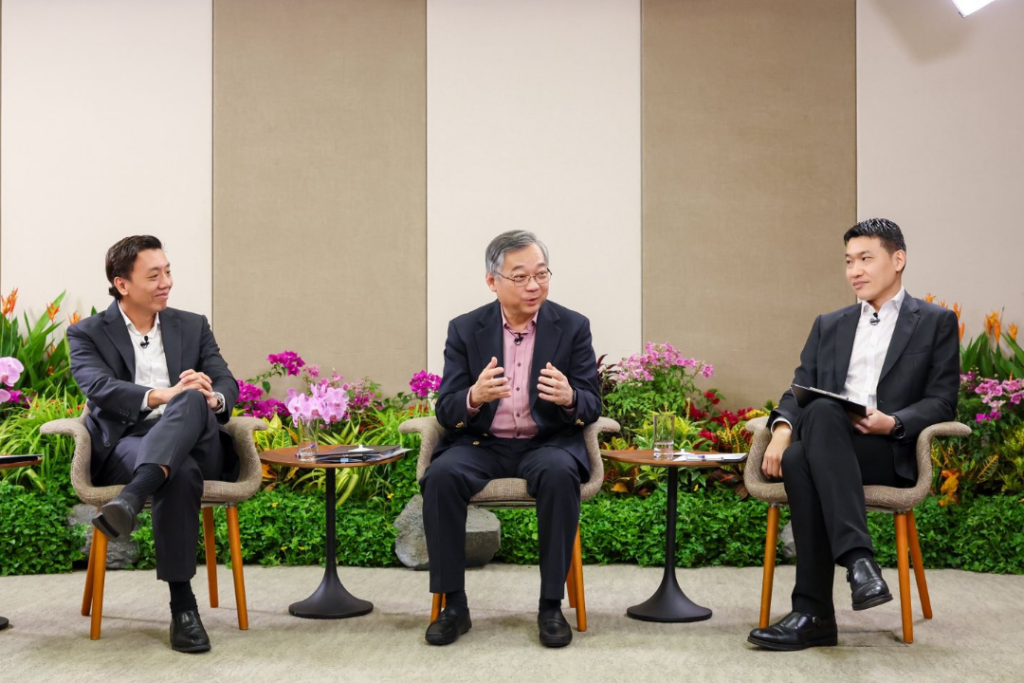
During a mid-term update for the Economic Strategy Review (ESR), Deputy Prime Minister Gan Kim Yong shared an unusually frank admission. “We can no longer assume that growth will automatically generate jobs,” said Mr Gan.
In short, productivity gains from AI can increase profits while shrinking payrolls. A country can therefore become “richer” while its young people feel poorer and more insecure. Many countries in the world will have to confront this situation.
How then, can we make sure that Singaporeans will continue to have good career opportunities? We will take bold and proactive steps to ensure that the economy and jobs grow in tandem.
As part of their mid-term review, the ESR has proposed several recommendations to achieve these twin pillars. Besides pursuing emerging technologies, such as AI, to create new engines of growth, the government is also preparing Singaporeans to take advantage of these opportunities.
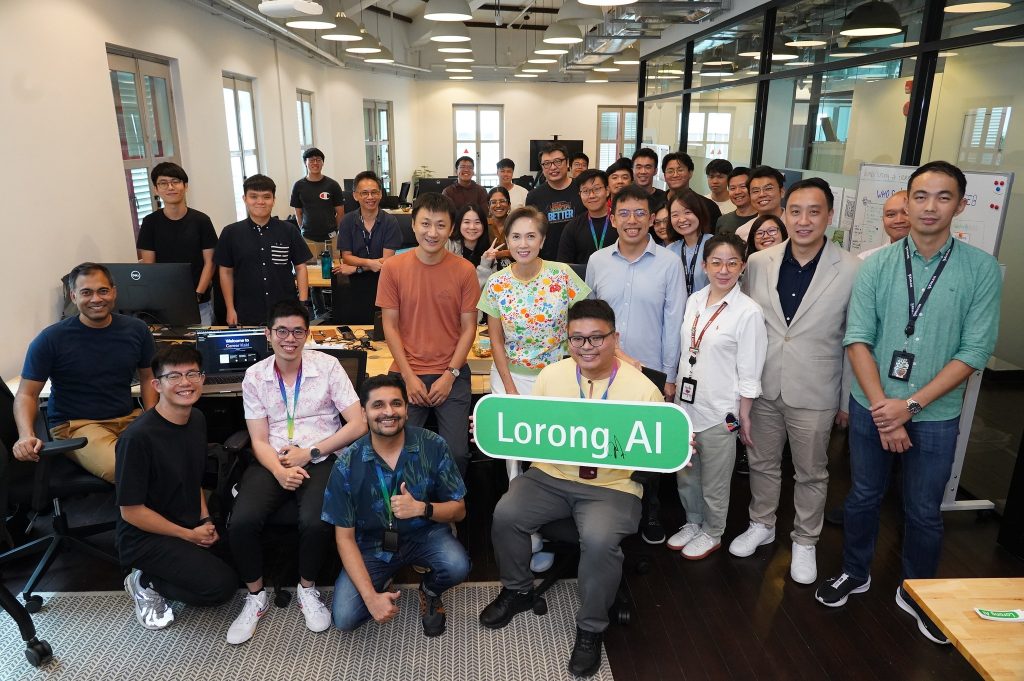
All Institutes of Higher Learning (IHLs), for instance, will strengthen AI literacy in their curricula. The goal is for students to use AI wisely rather than as a shortcut. This new generation of workers will be able to focus on tasks that cannot be replicated by machines, requiring creativity, judgement and leadership, while AI takes over routine duties.
A decade into SkillsFuture, the scheme continues to evolve. SkillsFuture SG & Workforce SG will both be merged into new stat board under MOE & MOM, so that the pathway from reskilling to re-employment is made more effective and convenient for Singaporeans.
As announced in Budget 2026, Singaporeans who sign up for selected AI training courses will receive six months of free access to premium AI tools to practice what they learnt. The idea is to make it easier for Singaporeans to pick up AI-related skills and harness AI to their advantage.
To do right by our young Singaporeans, we will not let them languish on the sidelines, with no pathway forward. That is what underpins our obsession with lifelong learning.
For all the online criticism that it attracts (“Growth at all costs” is a common, but unfactual negative comment), the PAP government will continue to pursue sustainable economic growth for Singapore, so that Singaporeans can be reassured of good jobs, and the ability for meaningful career advancement.
A home for all Singaporeans
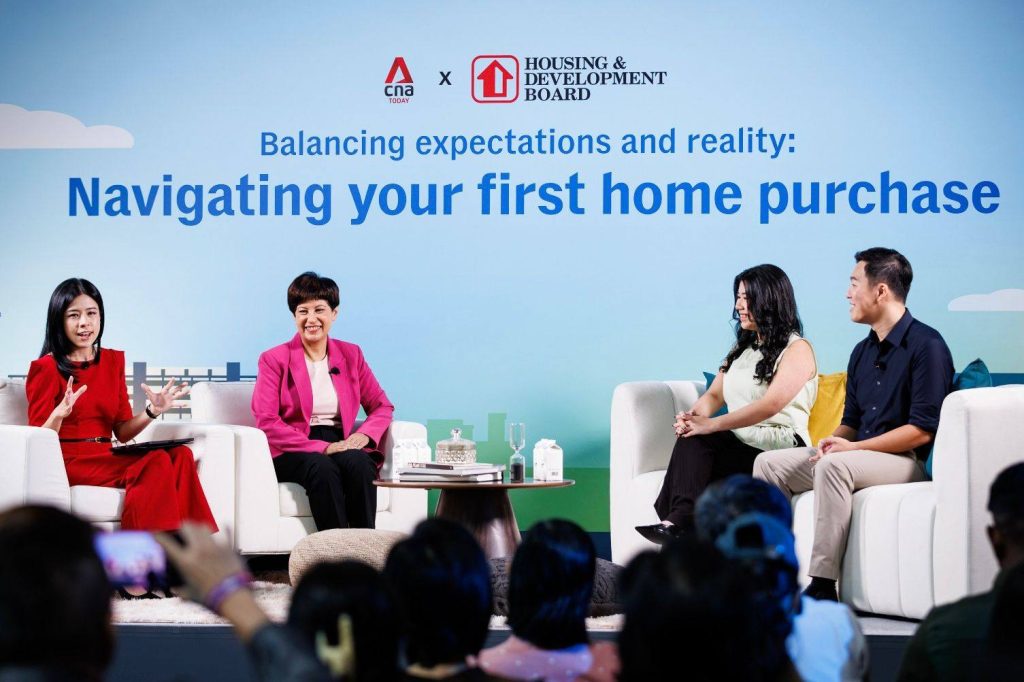
In addition to jobs, housing is another major concern on the minds of young Singaporeans.
Young people in major cities around the world find themselves priced out of the housing market, with no likelihood of ownership in sight. Young Singaporeans do not have to face the same situation.
The PAP has made homeownership a priority from the very beginning. Between 2020 and 2025, the government kept its promise and launched over 100,000 flats as part of Singapore’s long-term housing supply.
This year, it has announced the launch of 19,600 flats across three sales exercises in February, June and October. Nearly a quarter of these flats come with shorter waiting times, allowing families and couples to move into their new homes within 3 years.
Moreover, young Singaporeans looking to live close to their families in mature estates have greater choices. For the first time in 40 years, HDB will build 1,600 BTO flats in the Upper Thomson area of Lakeview and Shunfu. They are part of a wider supply of over 55,000 flats that HDB will launch between 2025 and 2027.
All of this matters because housing is not just about shelter. It shapes our choices about marriage, building families, financial security, and our sense of belonging to our country.
By creating good jobs and affordable homes, the PAP Government is making sure that the next generation will have the tools to shape Singapore’s future.
Together, a system that works and a future worth building.