
Higher preschool subsidies and more Child LifeSG Credits are some of the pro-family measures rolled out in Budget 2026.
As Parliament debated the Budget this week (24 – 26 Feb), PAP MPs offered innovative solutions that can help support Singaporean families and parents.
From tackling the low birth rate to more support for the sandwiched generation, our MPs are pushing for change that will give Singaporeans greater confidence to start and grow their families.
Speaking up for the sandwich generation
Several MPs highlighted the mounting pressures faced by the so-called “sandwiched generation”, a demographic that finds itself increasingly stretched in caring for young children and elderly parents.
“With smaller family sizes, fewer siblings share the load. This generation will require more support,” said MP Valerie Lee (Pasir Ris–Changi GRC).
One way to do so is to step up support for smaller families. As Ms Lee observed, current policies, such as the Large Families Scheme, provide additional benefits for the third child and beyond.
However, not only do pressures of raising a family not increase in neat steps, but two children can already place significant demands on household resources, said Ms Lee.
Along a similar vein, MP Shawn Loh (Jalan Besar GRC) believes that given our healthy fiscal position, Singapore could go a step further – by providing free basic childcare, infant care, and student care. He also proposed that LifeSG credits be given to all children up to 16 years old.
“The joys of bringing up children can never be quantified in dollar terms. But that should not mean that the Government stops trying to remove economic barriers to having children,” said Mr Loh.
Instead, we can reassure Singaporeans that the basic costs of child raising should never be a barrier to having children.
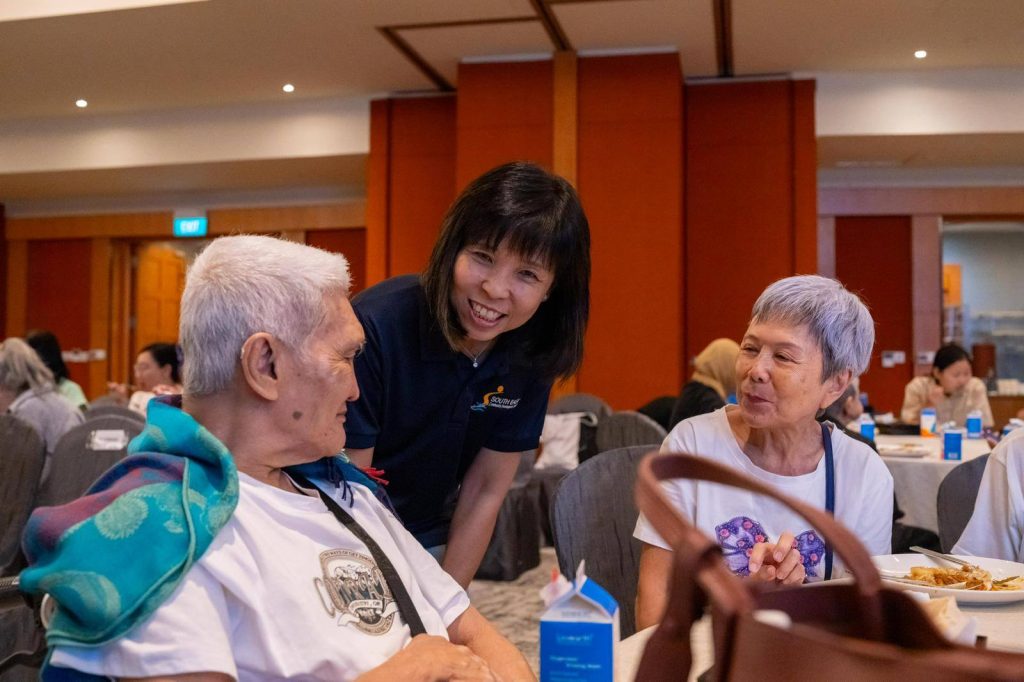
Caring for ageing parents is another challenge for the sandwich class.
Addressing the plight of those who are asset-rich but cash-poor, MP Jessica Tan (East Coast GRC) shared that many such families struggle with rising caregiving costs.
Budget 2026 may have taken meaningful steps to enhance long-term care subsidies, said Ms Tan, but that is not enough. Instead, a “more nuanced” means-testing system that takes into account “liquidity constraints” is how we prevent seniors from being priced out of essential care.
Similarly, MP Edward Chia (Holland–Bukit Timah GRC) raised the point that seniors should not be penalised for living with their children. Instead, they should be assessed on their personal retirement adequacy.
When adult children begin working, seniors might find a reduction to their Silver Support, said Mr Chia.
At times, seniors may even find themselves no longer eligible for the scheme when their household income exceeds a certain threshold (> $2,300 per person).
In this context, Mr Chia questioned whether per capita household income should remain an appropriate measure for the Silver Support scheme.
In doing so, families can feel like they are discouraged from living together, added Mr Chia.
Sending a stronger signal to support parenthood
Housing policy also featured prominently in the debate.
Laying bare Singapore’s TRF of 0.97, MP David Hoe (Jurong East–Bukit Batok GRC) offered some ideas on how we can support parenthood and reverse the trend.
For a start, we should make it easier for families with children to secure right-sized homes by bringing back Jumbo HDB flats, said Mr Hoe.
In cases where a new child arrives and more space is needed, families can be given more flexibility to move to a larger flat before their Minimum Occupation Periods (MOP).
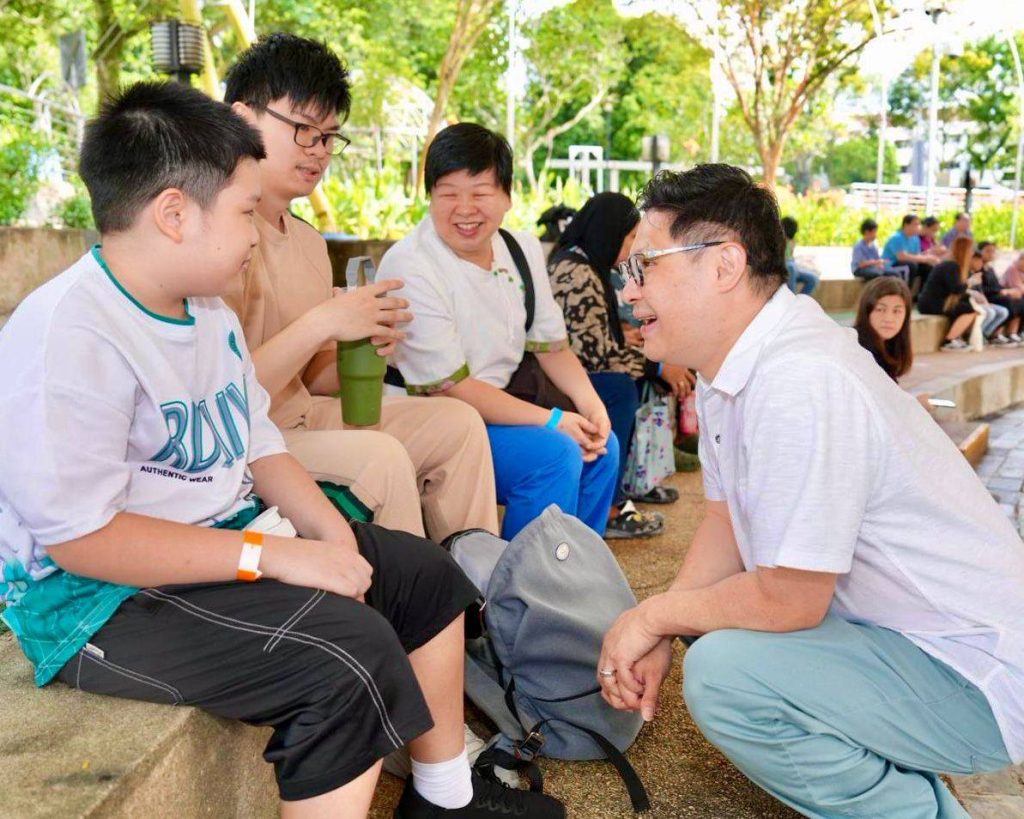
Besides housing, MPs, such as Foo Cexiang (Tanjong Pagar GRC), have taken the opportunity to push for policy changes that would uplift all parents.
Firstly, he called for the working mother criteria to be abolished so that all children would receive the same level of childcare and after-school subsidies.
Students from complex family backgrounds can benefit from the structured support in child and student care, said Mr Foo.
“They should not be deprived of it because their families could not afford the fees.”
In addition, Mr Foo also highlighted the hoops that would-be parents have to jump through during their adoption journey. To this, he suggested streamlining the adoption process and increasing adoption leave from 12 to 16 weeks to align with our maternity leave.
“These are Singaporeans who have put in great resolve to love and care for their adopted child as their own,” said Mr Foo. It is not right if they are made to feel like ‘second-class’ parents during the process.
Backing Budget 2026 with constructive suggestions, PAP MPs have spoken up for Singapore families. And they will, in the years ahead, continue to push for stronger, long-term support for families at all of life’s stages.