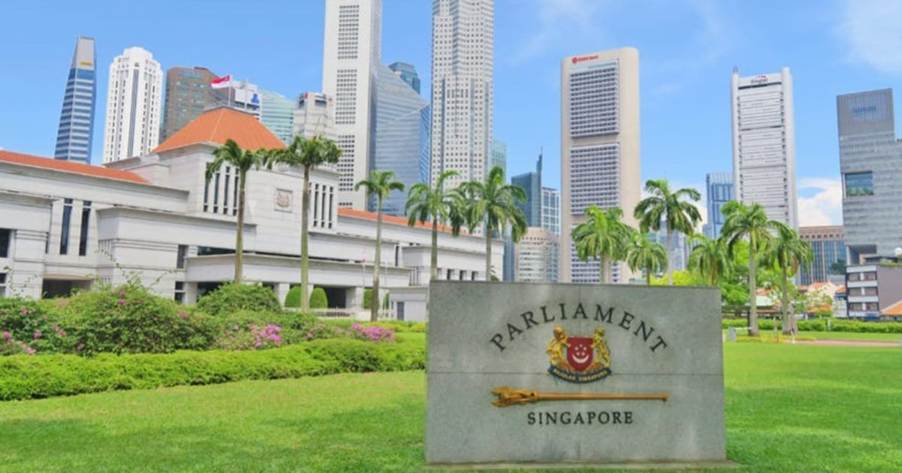

Singapore is taking pet care seriously. The Veterinary Practice Bill, passed in parliament on Wednesday (April 8), will establish a Veterinary Council to regulate the profession and raise standards.
“Over the last two decades, the number of licensed vets has increased by more than fivefold,” said Minister of State for National Development Alvin Tan.
“There has also been a rise in the number of specialists offering specialised surgical and medical services.”
But with nearly 700 licensed vets in Singapore, pet owners cannot always be sure that a vet has the skills they claim to have.
To address this, vets will soon be registered under three tiers—full, restricted, and specialist.
Under the new Bill, vets must hold an approved postgraduate qualification to qualify as a specialist. They must also ensure their skills are current by attending continuing education to keep their licenses. That way, titles (e.g. calling oneself a vet ophthalmologist) would carry more weight.
The Bill also cracks down on unqualified practitioners. Anyone who falsely claims to be a vet will be fined up to $50,000 or jailed for up to a year. Prior to that, unqualified persons who pretend to be vets can only be fined up to S$10,000 under the Animals and Birds Act.
Finally, there will be a robust disciplinary system to handle complaints. Vets who fail in their duty of care will be suspended or have their license cancelled.
“This bill marks an important milestone,” said Mr Tan, noting it will “strengthen professional accountability”.
“It will also benefit the public, who can be more assured of the competency and quality of veterinary services.”
The council will be launched later this year, with full registration requirements kicking in 2027.
Building a future talent pipeline
During the debate, attention turned towards how Singapore can build a local pool of veterinary talent.
As of 2025, there are 674 vets looking after a population of over 800,000 pets. This translates roughly to one veterinarian for every 1,186 animals, said MP Cai Yinzhou (Bishan–Toa Payoh GRC).
But as the number of pet owners increases, demand for high-quality animal care will rise. It will also become strained, driving up costs when the supply of vets cannot keep up with demand.
Against this backdrop, Mr Cai called on the government to expand the list of recognised overseas veterinary qualifications. Doing so will expand the pool of vets Singapore can tap into.
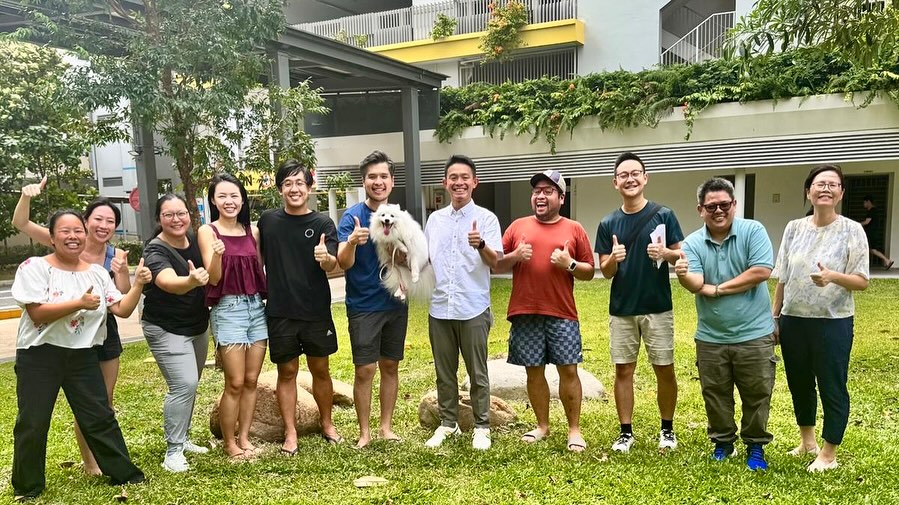
Similarly, MP David Hoe (Jurong East–Bukit Batok GRC) urged the government to develop more structured pathways to help Singaporeans fulfil their aspirations.
For now, Singaporeans interested in veterinary studies have to do so overseas. This presents a real “financial barrier” to entering the profession, said Mr Hoe.
As such, we should consider a local vet degree programme at one of our autonomous universities, added Mr Hoe.
“It is my belief that we should be able to say to each child that their aspirations are achievable…and not conditional on their family’s financial means.”
Responding to these, MOS Alvin Tan shared that the Animal & Veterinary Service (AVS) is working to develop more veterinary education and training in our IHLs.
In the end, how we treat animals often says a lot more about us.
Now that the Veterinary Practice Bill has been passed, Singaporeans can rest assured that their furry friends will be in safe hands.