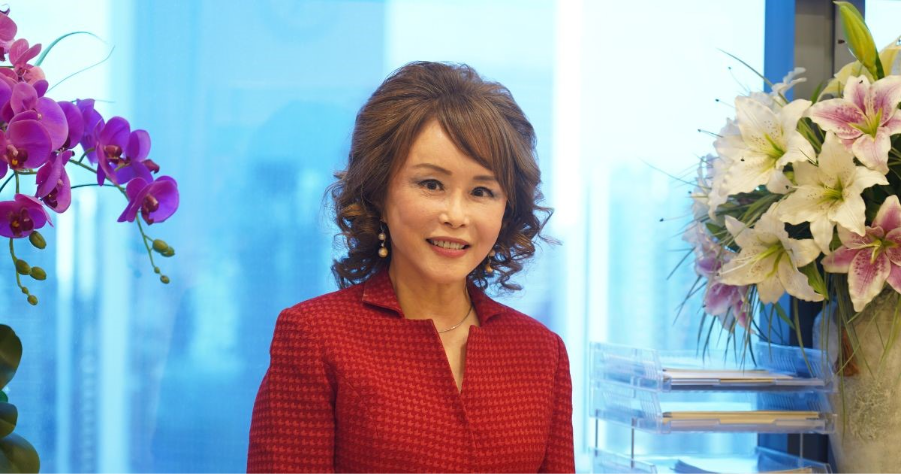
Lily Neo never imagined she would become a Member of Parliament when she first arrived in Singapore. Yet the medical practitioner served the Kreta Ayer–Kim Seng division for 24 years before retiring.
The seventy-two-year-old advocated for preventive healthcare throughout her political career, believing meaningful change requires action, not just words.
Dr Neo cuts a graceful and poised figure in her striking red suit at her clinic. She told Petir that a sequence of chance events led her into politics.
Born in Indonesia, she met her Singaporean husband Ben Neo while they studied medicine in Ireland in the early 80s. After marrying, the couple returned to Singapore to settle down, where she became a citizen. They have a daughter and a son.
“It never occurred to me at the beginning that one day I would become a Member of Parliament,” she said. “At the time, I was a new citizen of Singapore and was deeply appreciative of the opportunity to call this country home.”
Having lacked educational opportunities growing up, Dr Neo felt grateful that her children could receive a good education and enjoy promising opportunities for their future.
She said: “For that gratitude, I felt strongly that I want to give back to society.”
Her desire to give back to her chosen country echoes the timeless words of our late founding father Mr S Rajaratnam, who was born in Sri Lanka. “Being a Singaporean is not a matter of ancestry. It is conviction and choice.”
Dr Neo ran a clinic in Queenstown, where she served the community as a medical advisor specialising in child health. She also helped during illness outbreaks at PCF Sparkletots preschool.She was also a committee member of the local market and hawkers’ association.
She then met Chay Wai Chuen, then MP for the constituency, who invited her to join his grassroots team. She served as the Chairperson of the Queenstown Community Centre management committee.
Before the 1997 General Election, Mr Chay informed Dr Neo that he would propose her as a PAP candidate. He cited the need for more female candidates and her steady and effective leadership.
Dr Neo “did not think too much” when she was called up for the tea sessions, being aware of the rigorous selection process.
“Being interviewed by Mr Lee Kuan Yew, my revered and deeply respected leader, was already a great honour and being accepted was even more so,” she said.
“I reflected on my desire to contribute to society and realised that politics would give me the broadest platform to serve and reach more people,” she continued. “It would also allow me to advance causes close to my heart, caring for seniors and promoting better health and wellbeing for Singaporeans. This felt like a truly meaningful way to serve.”
She joined the PAP Kreta Ayer-Tanglin GRC team for the 1997 GE. The team ran uncontested, and she became an MP representing the Kim Seng division.

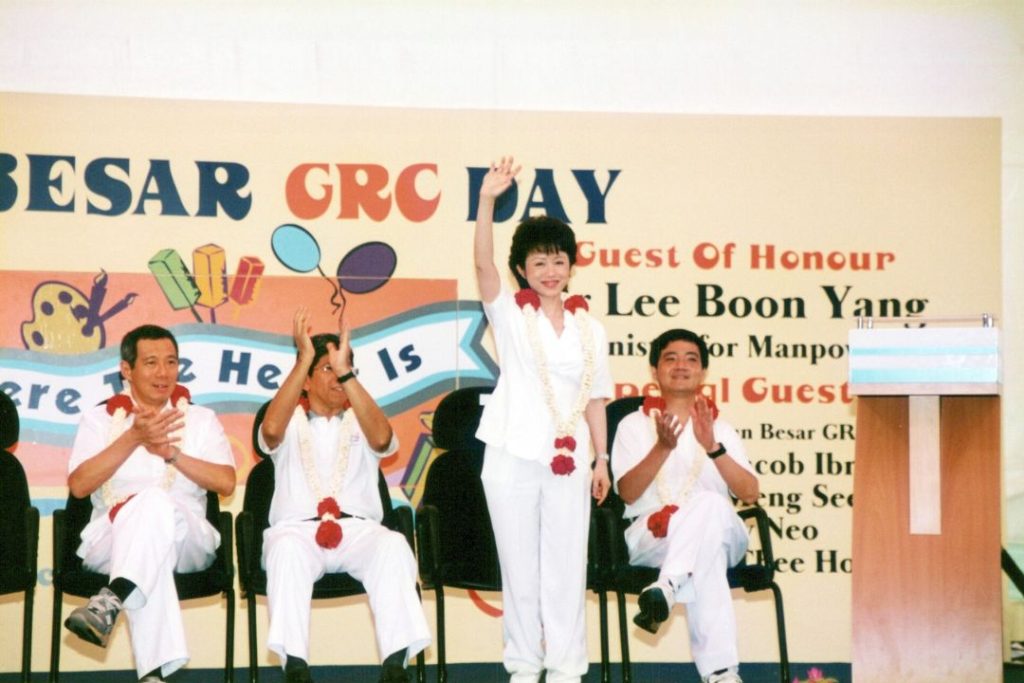
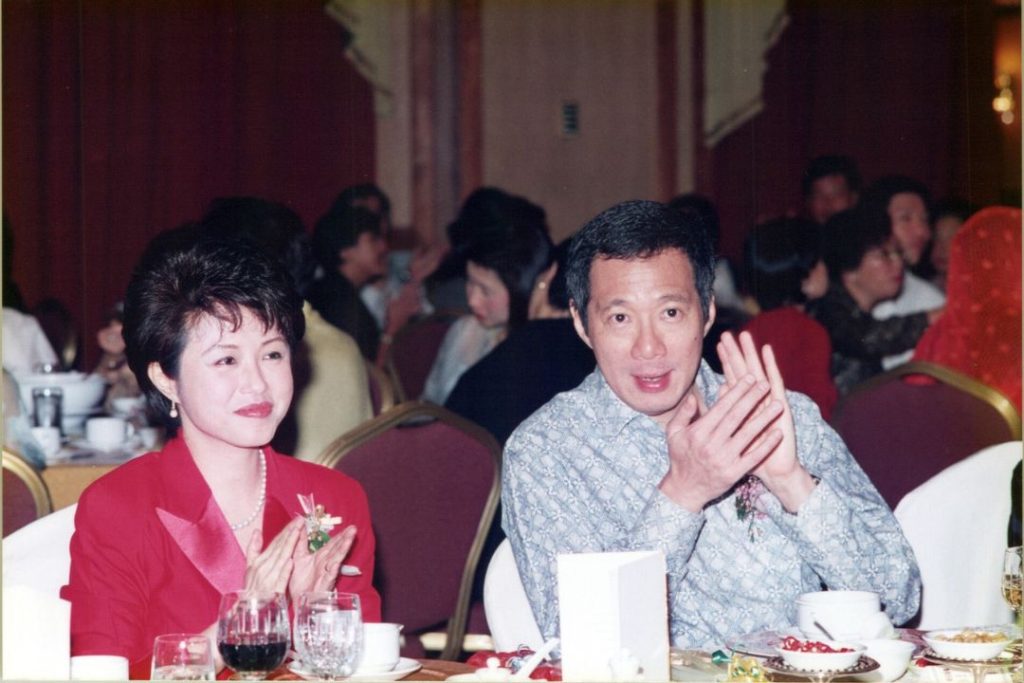
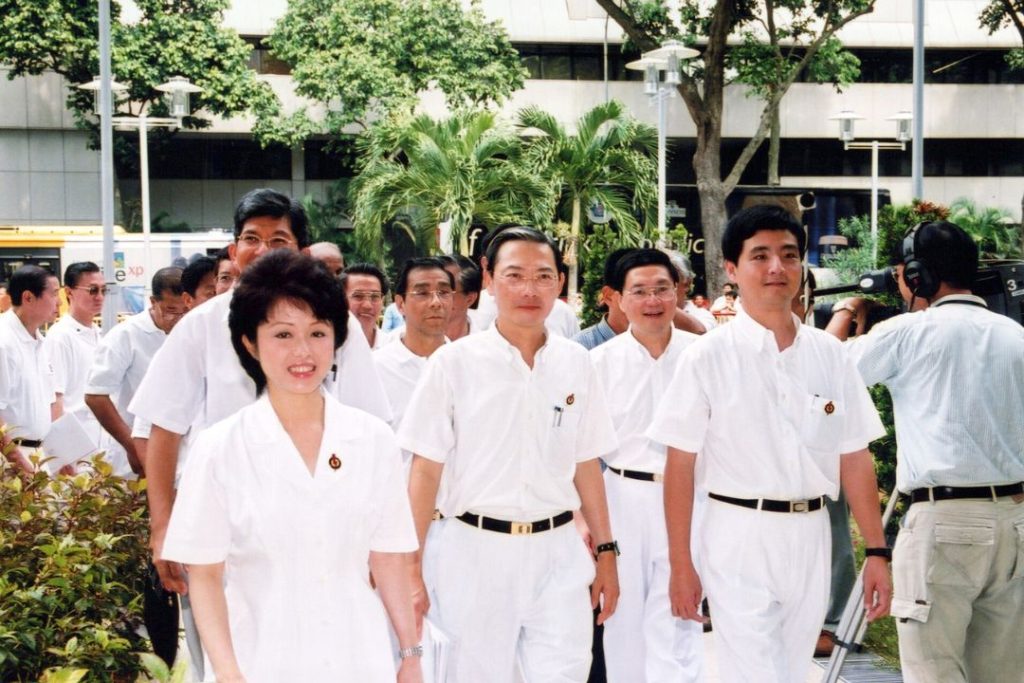
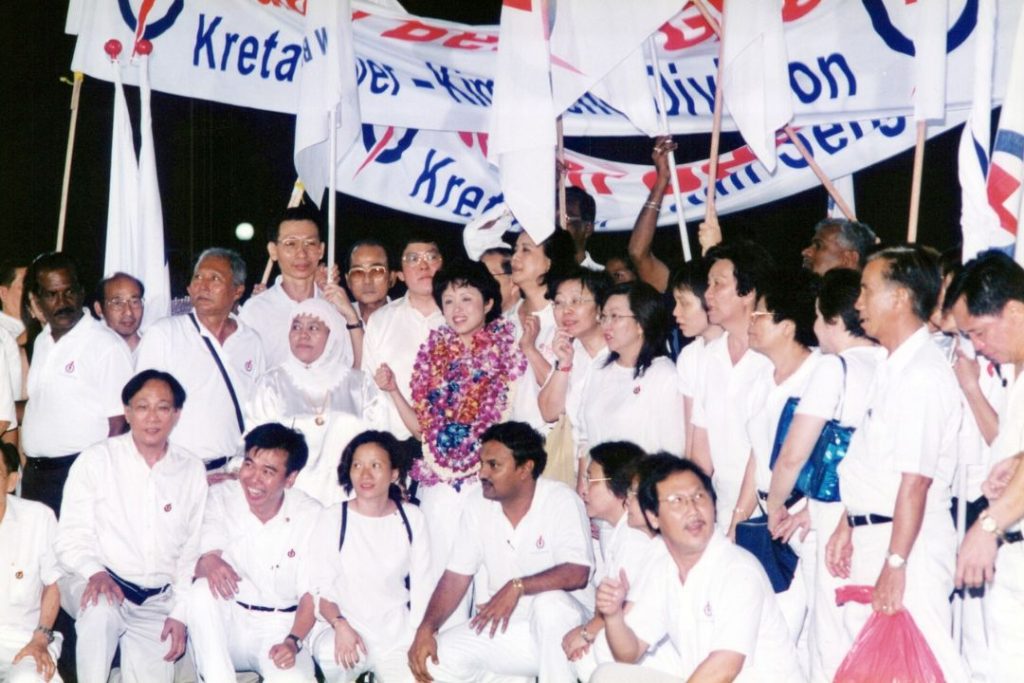
Lily Neo’s important lesson in politics: Meaningful change requires action, not just words
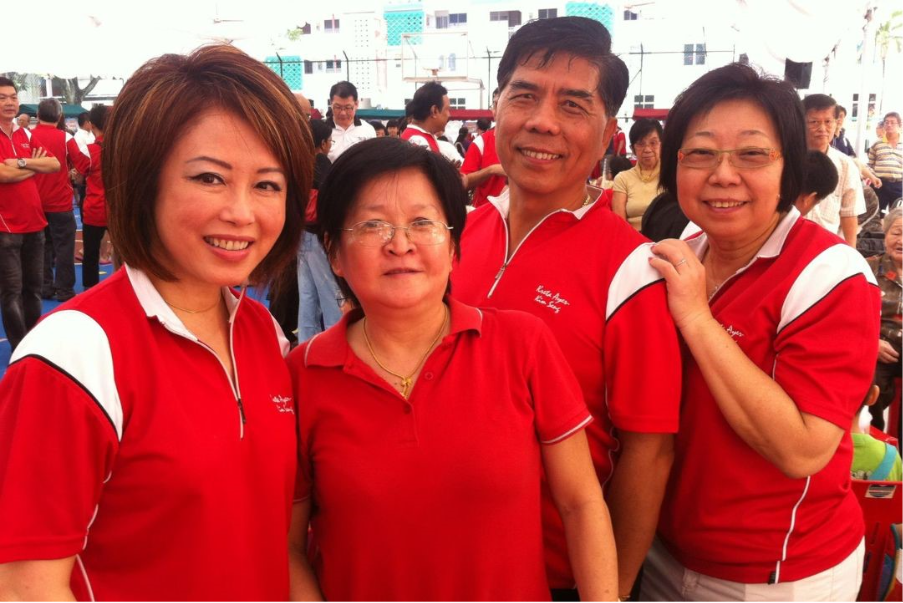
An important lesson Dr Neo learnt during her political career is captured in the Chinese idiom: “Saying is one thing; doing is quite another”(说是一回事,做又是另一回事).
In 1998, during her second year in Parliament, Dr Neo advocated for preventive healthcare, emphasising that “prevention is better than cure”. She targeted chronic diseases among seniors like diabetes, hypertension, and high cholesterol. Such conditions, if left untreated, can lead to serious complications like heart disease, kidney failure, and stroke.
This focus was particularly relevant since at least 30 per cent of her constituency’s residents were 55 and above.
At that time, the Ministry of Health focused largely on treating illnesses rather than preventing them, she noted.
“I strongly believe that if we want change, we must lead by example,” Dr Neo explained.
She then launched a community health screening programme in her constituency. The programme offered screenings for diabetes, hypertension, and high cholesterol for residents aged 50 and above at a nominal $1 fee, bringing services directly to HDB void decks and community centres.
Dr Neo and her volunteers went door to door to persuade residents to register for the health screening. They were determined to “ensure no one was left out”.
“It was not easy 28 years ago. Many residents were apprehensive. Some disliked needles, while others said they had no symptoms and therefore saw no need for screening,” Dr Neo shared.
“It required patience, persistence, and genuine care to convince residents that early detection could save lives.”
When she could not convince residents, she would return when their children and grandchildren were home.
“I would say, please, please, please, can you let your parents or your grandparents register $1 for the screening…we don’t want them to have diabetes, hypertension, high cholesterol.Independently, we can save lives.”
Dr Neo said that it was initially challenging to persuade elderly residents but became easier over time.
She noted that once residents saw the value and importance of regular medical screenings, her team simply informed them about upcoming screening through circulars or banners, and they would participate willingly.
In 2000, the government extended support to replicate Dr Neo’s successful community health screenings in other constituencies. Dr Neo helped by approaching parliamentary colleagues and collaborating with their grassroots teams to implement this programme.
Dr Neo, who later became deputy and then Chairperson of the Government Parliamentary Committee for Health, said the preventive programme eventually achieved islandwide coverage.
Today, Dr Neo continues to “walk the talk” as a general practitioner caring for patients enrolled under Healthier SG.
This is a preventive healthcare programme the government launched in July 2023. It pairs residents aged 40 and older with family doctors to help them manage their health, prevent chronic diseases, and adopt healthier lifestyles.
Dr Neo said she witnessed firsthand the tremendous effort and support MOH required to make this vision work for Singaporeans over the years.
The initiative demanded extensive planning and resources, she explained. Success required buy-in from primary care doctors, new policy frameworks, integrated IT systems for seamless, coordinated care, and Singaporeans’ willingness to embrace preventive healthcare.
“Looking back, I’m heartened to see how an idea that once required much persuasion and ground efforts has now evolved into a national strategy,” she said.
“This reinforces my belief that substantial or meaningful change requires not only words in Parliament but sustained action on the ground. Saying is one thing, doing is quite another.”
“This is my favourite part because it’s about medicine,” she quipped. “I wanted to be an MP because I want to promote [healthy living]. I got it done.”