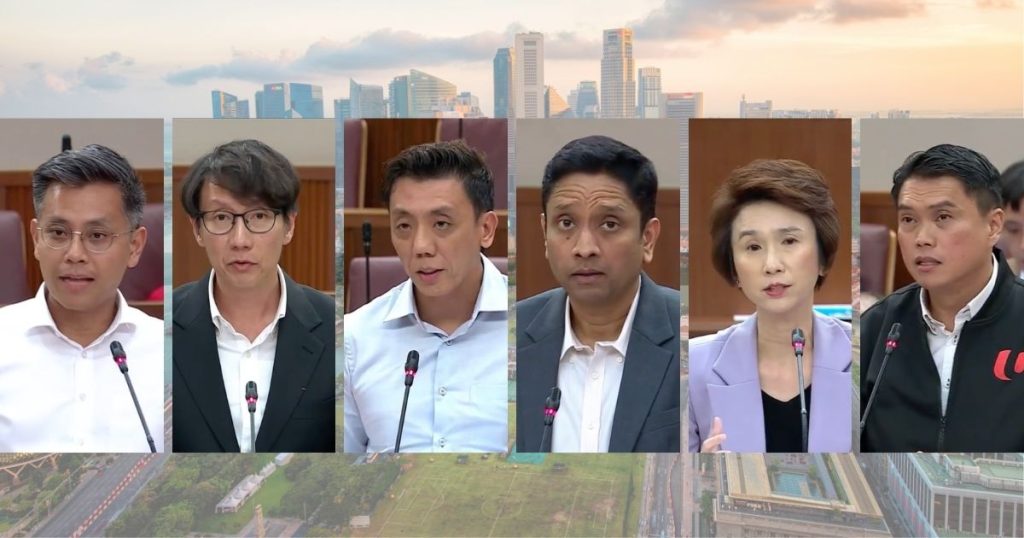
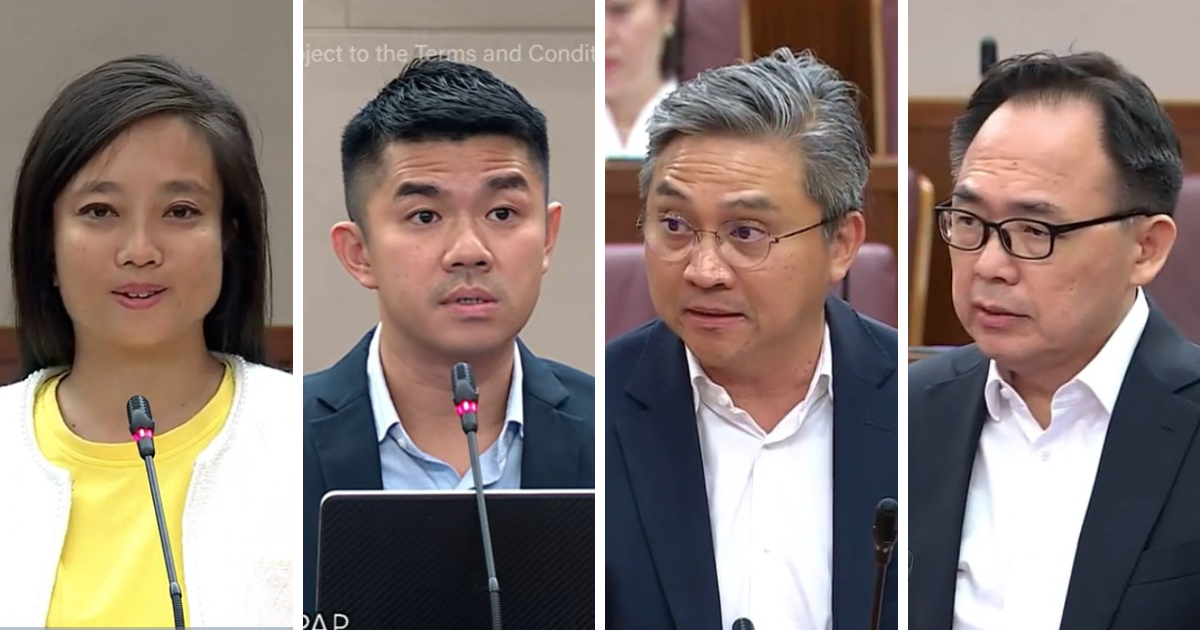
PAP MPs engaged in robust debate on expanding the space for dialect films in Singapore in Parliament. They have asked if the government will review the current policies on dialect films, the role of the Speak Mandarin Campaign, and how we can preserve the uniqueness of dialects.
Senior Minister of State for Digital Development and Information Tan Kiat How noted that there is scope to consider how we can expand the space for dialects while continuing to uphold the importance of Mandarin.
Since June, the hit Teochew dialect film Dear You has sparked public debate over guidelines that restrict dialect use in broadcast media.
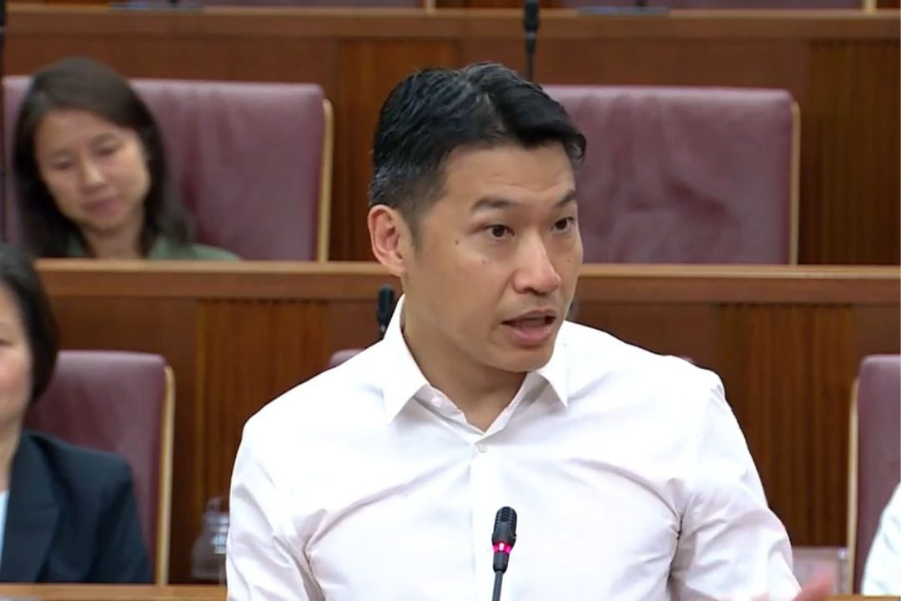
During the parliamentary sitting on Tuesday (July 7), MPs including Darryl David (Ang Mo Kio GRC) and Mariam Jaafar (Sembawang GRC), raised questions relating to the policy framework with respect to the use of dialects in films, and the relevance of the Speak Mandarin Campaign implemented in 1979.
SMS Tan said that IMDA is reviewing the current film classification framework regarding dialect use in films.
“We will take time to do so because it’s an evolution. It’s a thoughtful approach: speaking to people, making adjustments rather than abrupt changes, like all good policies,” he said.
He noted that the IMDA implements guidelines on language use in media and has supported the government’s longstanding policy to promote Mandarin as one of four official languages. This approach has “generally served us well”.
However, Singapore’ language environment has evolved, he added.
“Recognising this, in implementing the guidelines, IMDA has exercised greater flexibility to allow more dialect content in firms each year.”
Mr Tan cited the flexibility around screenings of the Teochew version of Dear You as an example. He shared that IMDA has approved 272 screenings of the film. The government is prepared to approve additional screenings should the distributor request them in response to audience demand.
In response to calls to review or abolish existing guidelines, Mr Tan said that the government recognises that the circumstances have changed since the guidelines were first introduced.
In doing so, the government will consider the different media platforms.
For example, there are no dialect restrictions for art performances or content available on the internet and online streaming services, Mr Tan said.
There are no dialect restrictions for arts performances or content available on the internet and online streaming services, he noted.
He added that MDDI will carefully consider what further steps are appropriate.
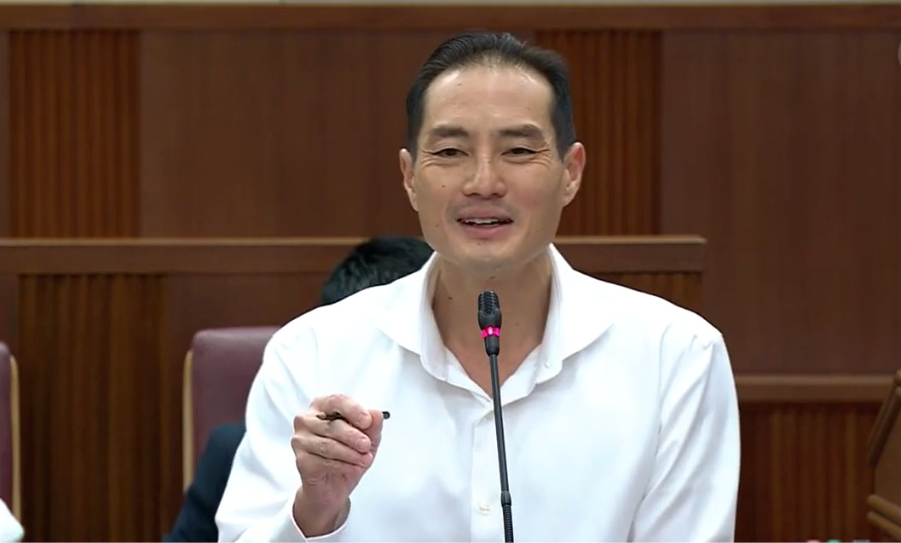
Dialect practices can help deepen Singaporeans’ appreciation of their cultural heritage
Acting Minister for Culture, Community and Youth David Neo said the Promote Mandarin Council regularly reviews the campaign to keep its framing approach and objectives relevant and meaningful in Singapore’s multicultural context.
“The campaign has evolved from promoting Mandarin as a common language to strengthening the appreciation for our Singapore Chinese cultural identity and making the learning of Mandarin fun and enjoyable,” he said.
Dialect practices can help deepen Singaporeans’ appreciation of their cultural heritage, rather than competing against the use of Mandarin.
“The government welcomes ideas to preserve dialect cultures while upholding the importance of Mandarin,” he said.
He added that the government will continue to work with the community to consider what further steps are appropriate to support and promote “our distinctive Singapore Chinese culture within our multicultural society.”
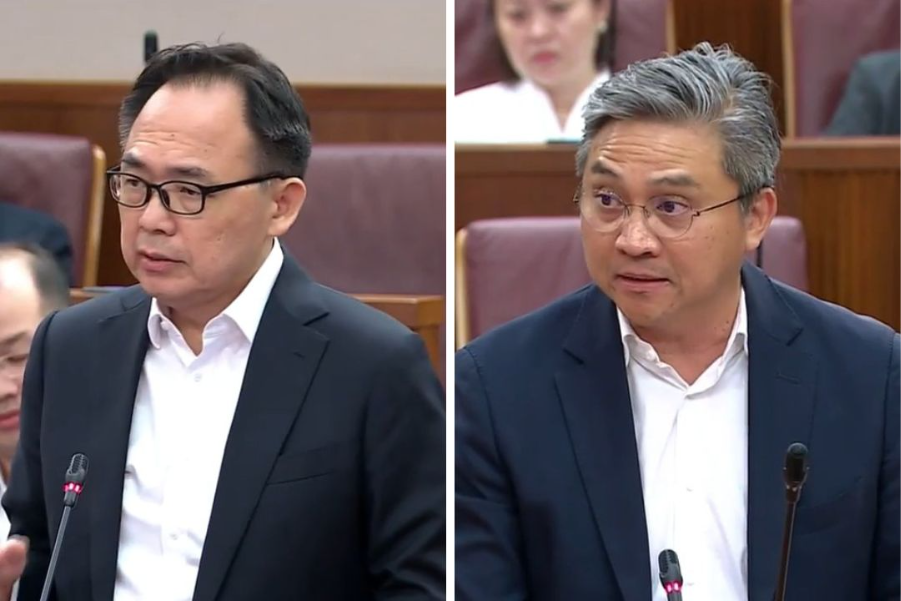
Liang Eng Hwa (Bukit Panjang) asked whether IMDA will adopt a more open, transparent, and clear approach when handling requests for dialect films.
Mr Tan reiterated that IMDA maintains a flexible approach, allowing some local dialect movie productions to be shown. If needed, it may allow more dialect films.
“I would like to reassure you that we look at it pragmatically. However, we cannot forget our original objective, which is to speak Mandarin.”
Mr Saktiandi Supaat (Bishan-Toa Payoh GRC) asked whether the government regards original Chinese dialect films as supporting active ageing, social inclusion, and intergenerational bonding.
In response, Mr Tan said that seniors and younger Singaporeans have many venues beyond films to engage with dialect culture, including clan associations’ programmes, streaming applications, and community activities.
“When you talk about intergenerational cohesion and engagement, it really goes beyond just language. It’s about creating shared experiences and spaces where conversations in dialect can happen, so we will certainly consider the different inputs as part of the review.”
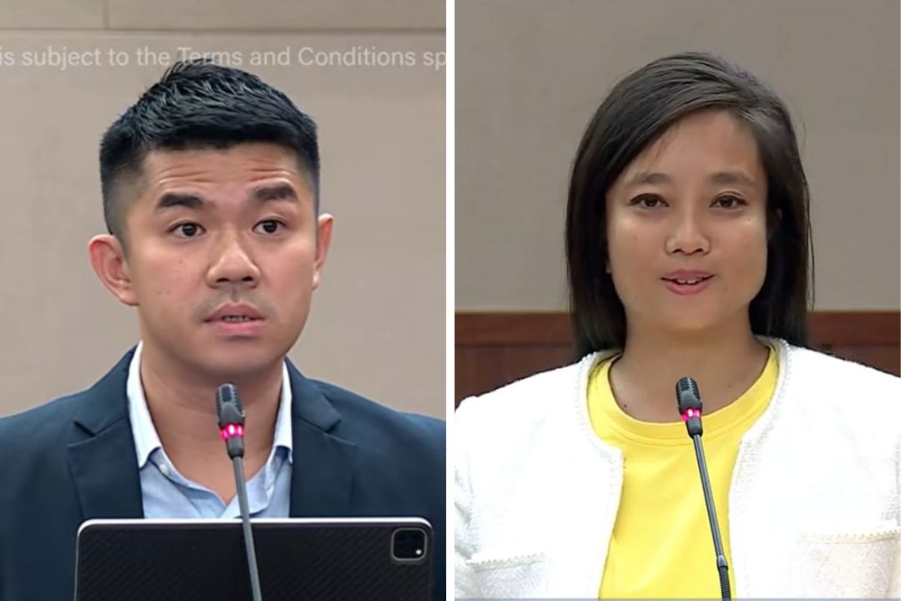
Cai Yinzhou (Bishan-Toa Payoh GRC) and Valerie Lee (Pasir Ris-Changi GRC) also raised further questions relating to preserving Singapore’s dialect culture.
Mr Cai pointed out that dialect artists are gradually fading away with no successors to follow in their footsteps, making it difficult to pass on the torch.
“What concrete plans does the Ministry of Culture, Community and Youth (MCCY) have to support the preservation of dialect arts so they can continue to develop in Singapore?” he continued. “Mandarin serves as our bridge of communication in society, while dialects connect us with our grandparents at home.”
Mr Neo reiterated that Chinese dialect arts and cultures are an integral part of our distinctive Singapore Chinese culture.
“Over the years, the National Arts Council (NAC) has actively supported and nurtured our Chinese arts, especially dialect arts, by providing funding to relevant groups and helping them attract new audiences.”
Ms Lee cautioned that that with fewer Singaporean speaking dialects, the rich heritage tied to these dialects’ risks being lost.
“What steps is MCCY taking to ensure that Chinese dialect cultures are being systematically documented, preserved, and transmitted, particularly to younger Singaporeans?”
In response, Mr Neo said that the NHB works closely with heritage practitioners, clan associations, and other interested parties to fund research and document dialects and cultural heritage.
“We’ll continue to work with clan associations, heritage practitioners, and all who are keen to document and expand the space for Singapore Chinese dialect cultures.”