Much has been said about Singapore’s low total fertility rate (TFR). The question on everybody’s mind is – what can Singapore do to reverse a trend that has become endemic across the developed world?
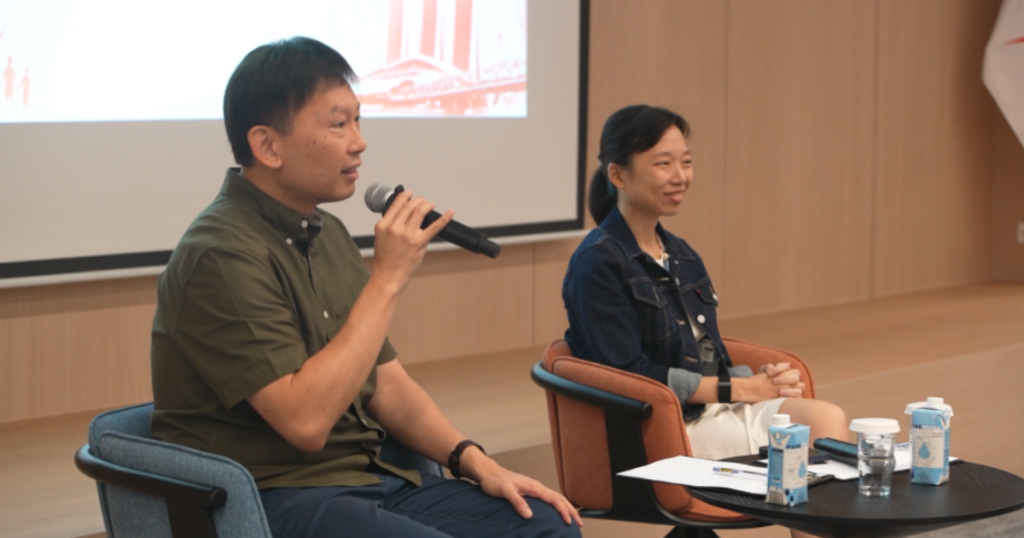
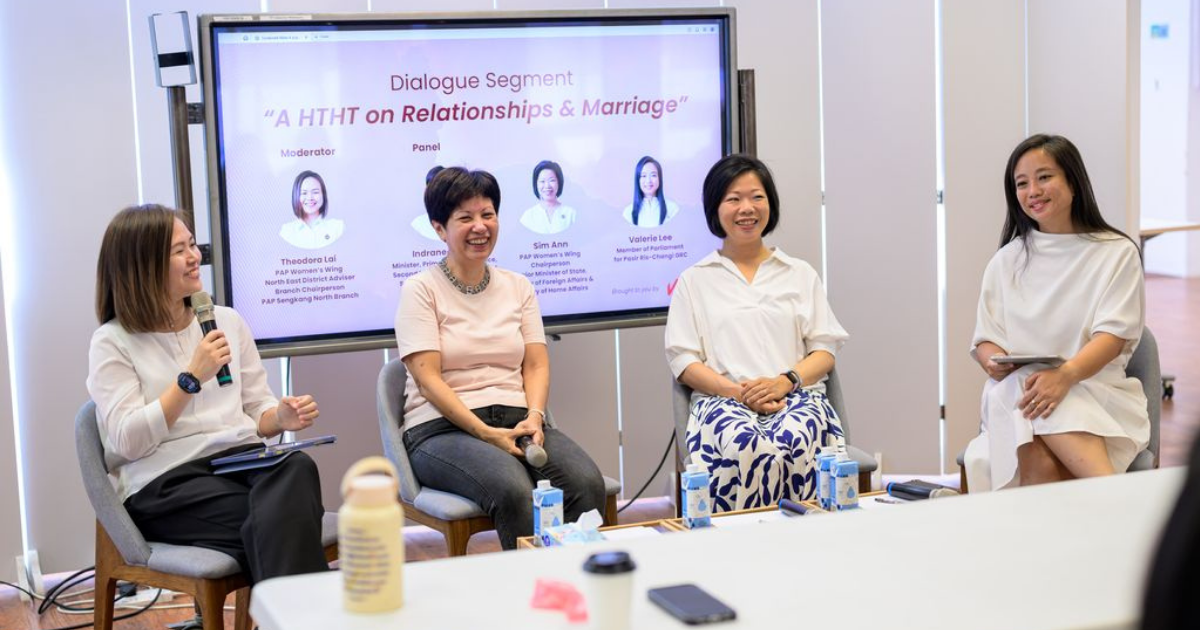
During a listening session organised by the PAP Women’s Wing (WW) North East on Saturday (4 July), members from the WW shared their views on what can be done to encourage marriage and parenthood.
“Here with the WW, we’re very keen to listen, to know how you feel you can be better supported in your journey…whether you are single, looking for a partner or married with kids,” said PAP Sengkang North Branch Chair Ms Theodora Lai, who was also the moderator for the event.
Minister Indranee Rajah, who chairs the Marriage and Parenthood (M&P) Reset Workgroup, shared some unique insights that have been gleaned from extensive consultations with Singaporeans from all walks of life.
“Some who marry say they don’t want to have children because of career ambitions, or that children are a responsibility that’s very heavy,” said Ms Indranee.
For those who do want children, late marriages also meant a shorter runway to do so, added Ms Indranee.
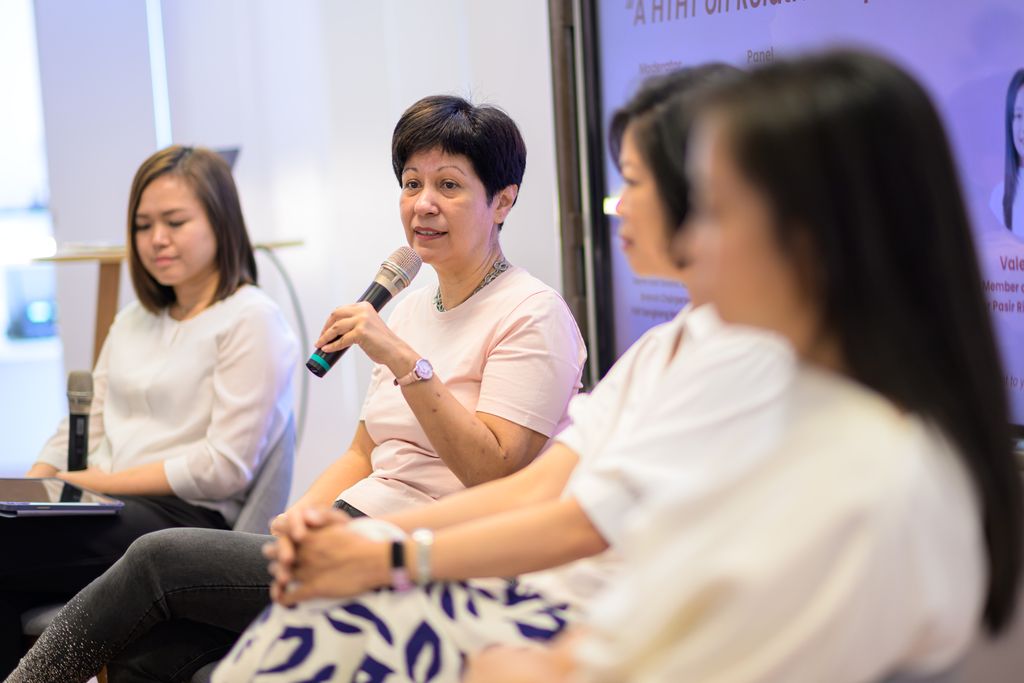
“There are many who feel that if they cannot be perfect parents, (they) don’t even want to try,” said Ms Indranee.
While such a mindset might stem from the admirable Singaporean trait of wanting to be the best at everything, this wasn’t something that could be applied to having a family and children.
“You do the best you can with relationships, and you will make mistakes, you will learn, but fundamentally, those relationships are worth it.”
The lived experiences of younger Singaporeans also matters in their parenthood journey. Growing up in the digital age, Ms Indranee noted that many Millennials and Gen Z are much more comfortable engaging online than talking in real life.
Coupled with the trend of young people ditching traditional nights out, this has led to a lack of opportunities for younger Singaporeans to meet and interact outside of school.
Family experiences, whether someone grew up in a happy or a broken home, can also affect life choices down the road.
Given that so much of parenthood and marriage (or lack thereof) is connected to changing attitudes and aspirations, financial incentives alone will not solve what Ms Indranee described as a “multifaceted issue”.
BC Lai led the conversation into ways in which our society could support individuals in building a family without curtailing their career ambitions.
Building a family-friendly Singapore
At the National Day Rally last year, Prime Minister Lawrence Wong spoke about building a “we-first” society. Along the same vein, Ms Indranee believes that the choices we make every day — at our workplaces and in our communities — can play an important role in promoting marriage and parenthood.
This can range from giving up a seat for a pregnant lady on the MRT to having understanding colleagues at work. For Ms Indranee, these actions can help parents feel more supported and make the parenthood journey feel less daunting.
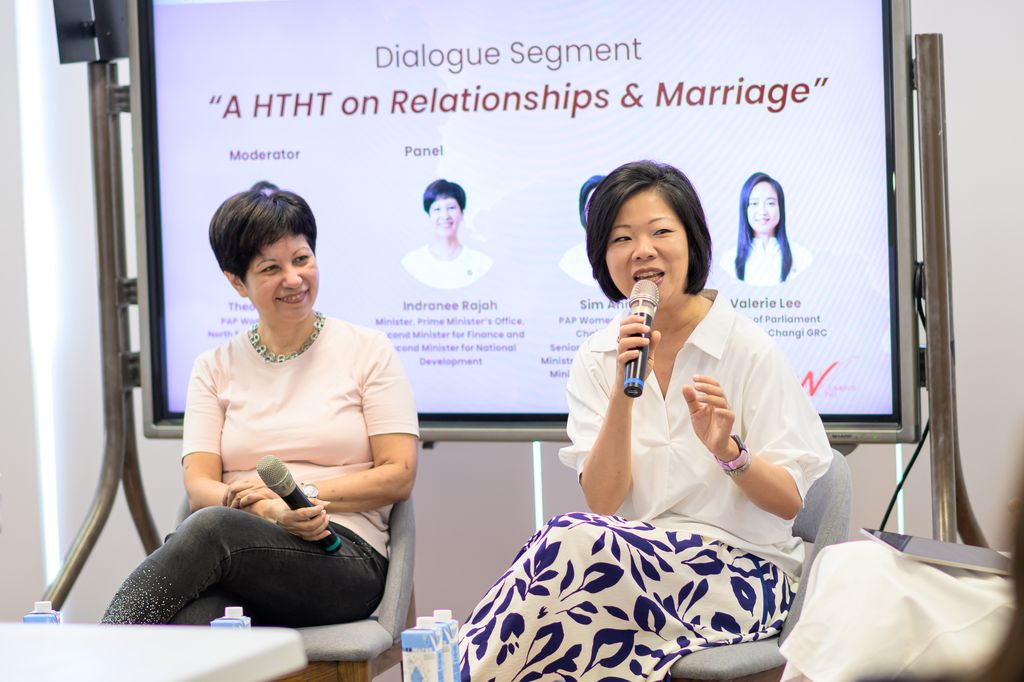
Echoing the same sentiment, WW Chairperson Sim Ann shared a personal story from her early days as an MP. Pregnant with her third child shortly after entering Parliament, she informed her Holland-Bukit Timah GRC colleague, Minister of Foreign Affairs Vivian Balakrishnan.
“I completely support you. What can I do to help?” she recalled him saying.
Minister Balakrishnan then suggested that Ms Sim move her Meet-the-People Session from Monday to Wednesday so that he could personally cover them while she was on maternity leave.
“He was as good as his words,” said Sim Ann. “He did come and cover for me, which is a big commitment because that means two nights a week for him.”
For Ms Sim, the experience demonstrated how supportive leadership creates an environment where parents can fulfil both family and professional responsibilities.
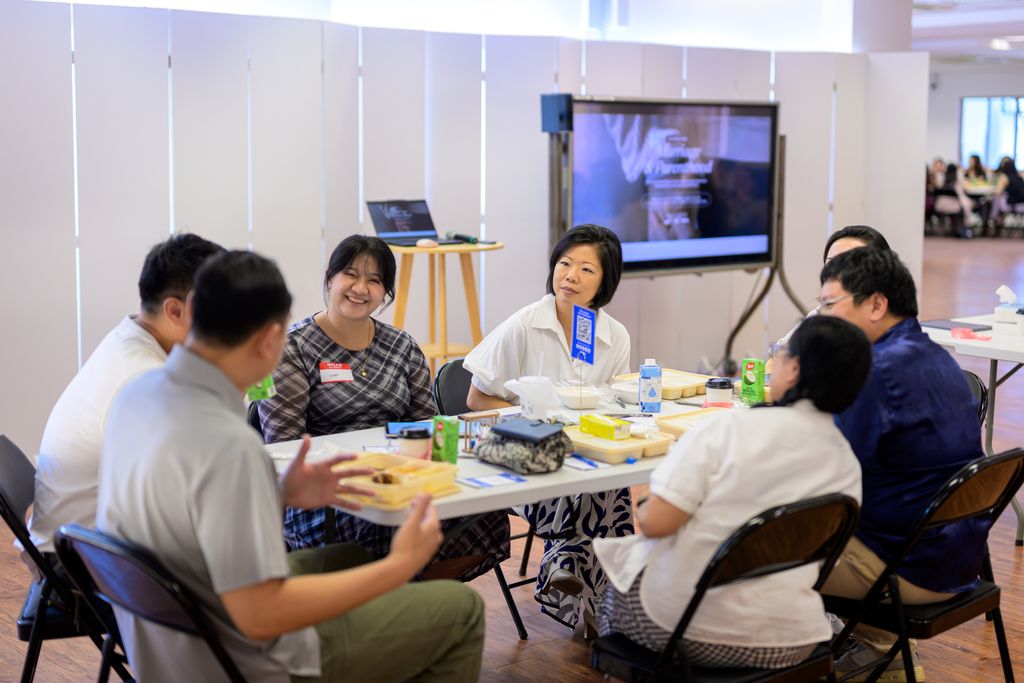
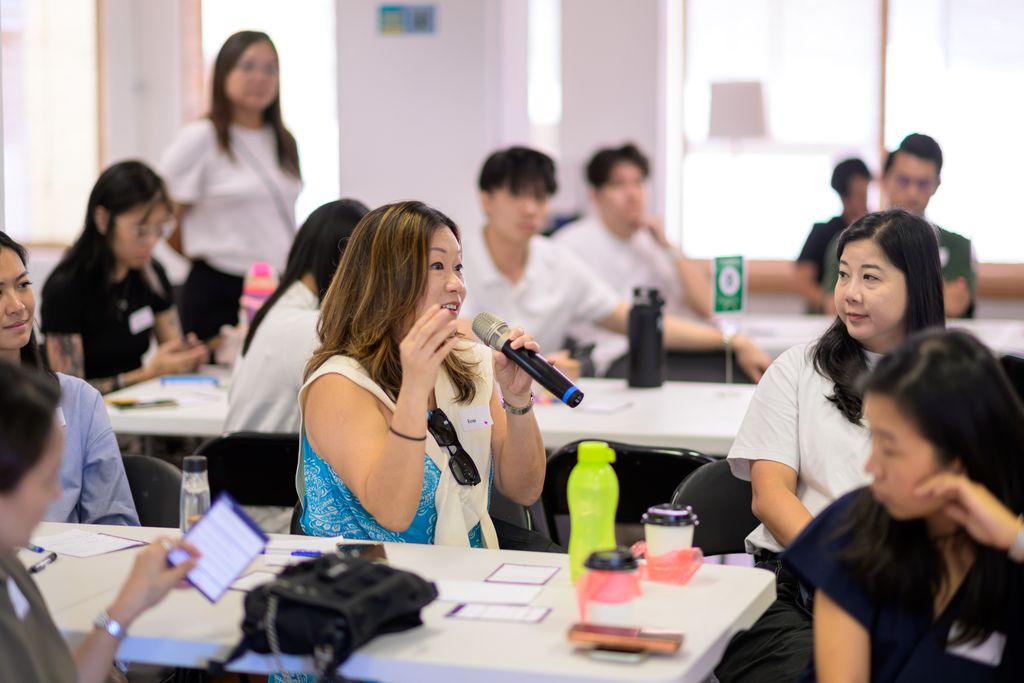
Throughout the listening session, the panel also welcomed different views from Singaporeans from all walks of life.
One participant suggested making therapy more accessible for parents caring for their children and aged parents. Another raised questions about surrogacy for women who hope to become mothers later in life. This prompted an open discussion on the ethical and social considerations involved.
Closing the dialogue, Ms Indranee said Singapore’s demographic challenge ultimately calls for a broader cultural shift—one that extends beyond government initiatives.
“A family-friendly Singapore is not just about policies,” she said. “It has to be built by all of us.”
“If everybody makes that little bit of difference, we can slowly change the culture.”