Never assume that a resident’s initial concern is their only problem.
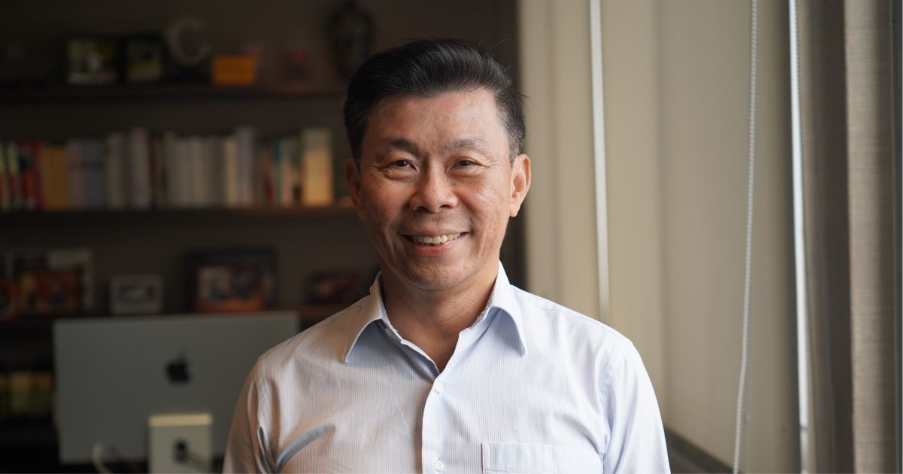
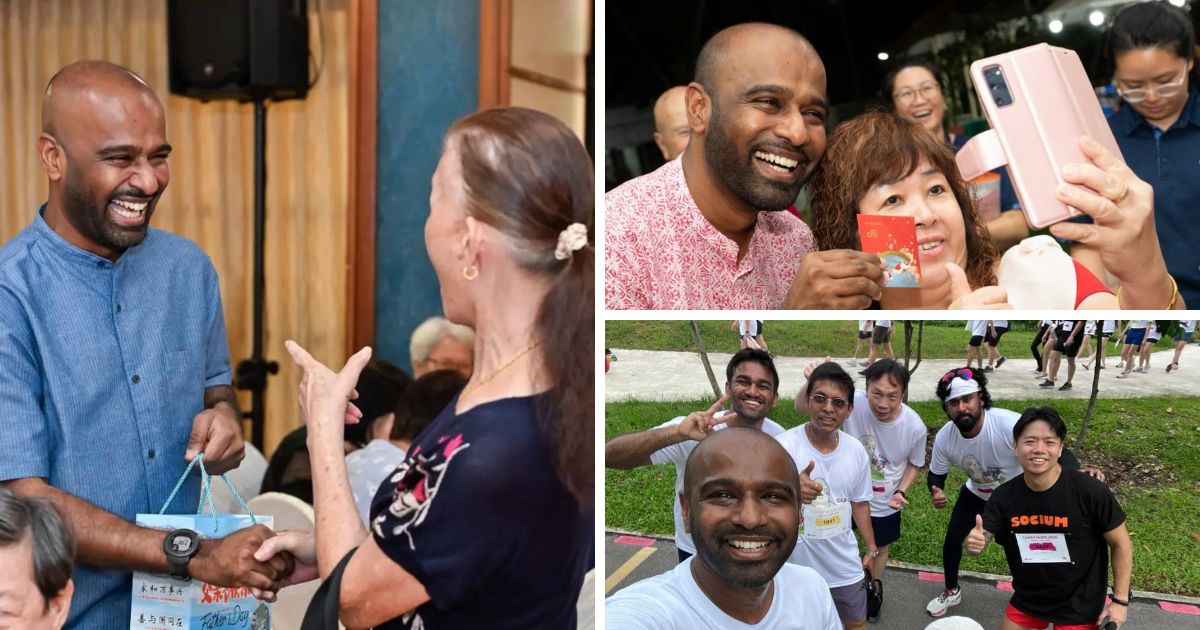
In an interview with Petir, Dr Hamid Razak, MP for West Coast–Jurong West GRC and an orthopaedic surgeon in private practice, reflected on the lessons he has learnt since entering politics after the 2025 General Election. Among them is the importance of listening carefully to residents before deciding on the best course of action.
“We’re often in a hurry to find solutions, which makes us biased towards quick fixes,” Dr Hamid said. “When we listen intently to residents and understand the challenges they face, we often realise that the issue is more complex than it first appears. We might need completely different solutions.”
Dr Hamid draws on lessons from his medical practice in his approach to helping residents.
“When a patient comes to you with knee pain, you might immediately think it’s knee arthritis. But you may realise that the pain is caused by something else entirely. The solution could be something simple, rather than surgery,” he explained.
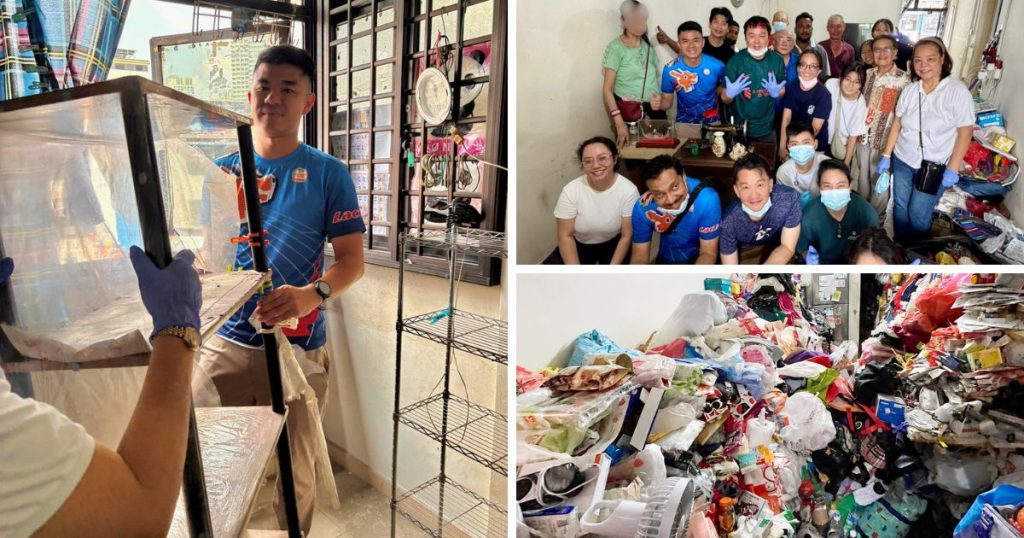
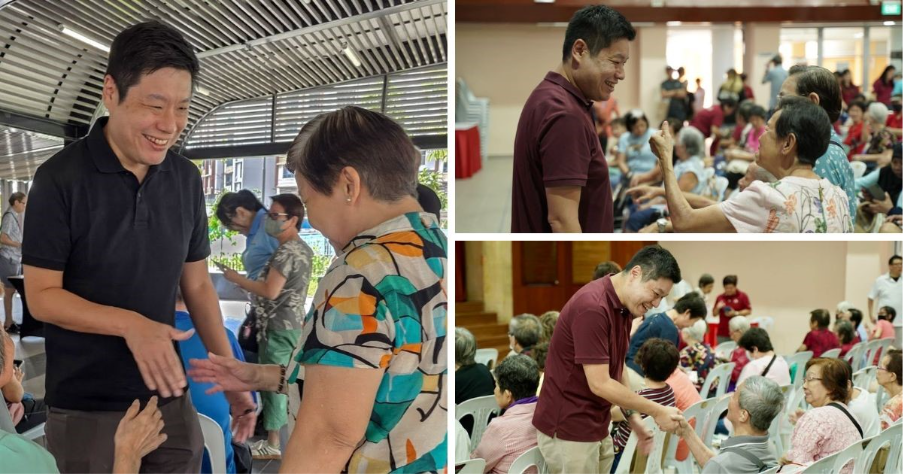
The same principle applies when residents seek help at Meet the People Sessions. Rather than immediately acting on a resident’s initial request, Dr Hamid encourages volunteers to take the time to understand the broader circumstances behind it.
If a resident is struggling financially, for example, simply helping them appeal for a larger housing loan may not necessarily be the best long-term solution. Volunteers can instead take the time to understand the resident’s circumstances and explore other options that may put them on a more sustainable financial footing.
This could include connecting residents to suitable employment or skills upgrading opportunities or exploring alternative housing options that may better meet their needs.
“You might spend more time explaining the options to the resident, but ultimately, you are helping them make a more informed decision,” he said.
‘Bringing together the right people and resources’ to solve complex problems
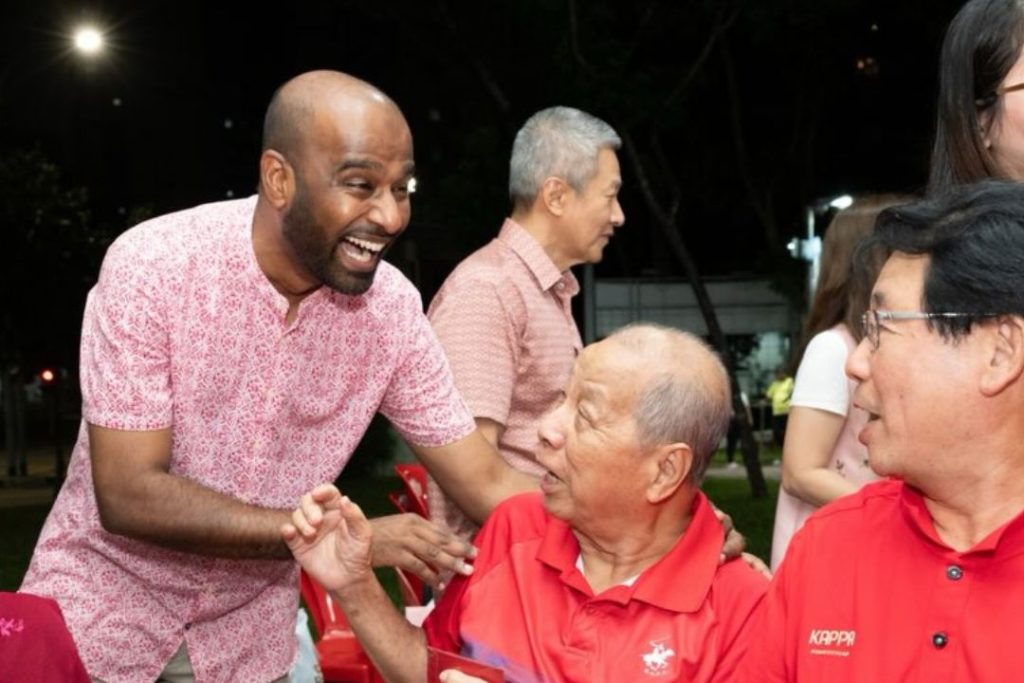
For Dr Hamid, listening is only the first step. Solving complex problems also means recognising when to seek help from others and bringing together the right people and resources.
“Sometimes you’re not the best person to solve a problem. When this happens, find who can solve it best, then provide direction and leadership throughout the problem-solving process,” he said.
This approach has become increasingly important as Dr Hamid balances his responsibilities as a doctor, Member of Parliament, husband and father of three.
“It’s easy to get to get engulfed in the work because there is always more to be done. What’s important is to look at the bigger picture and know where we need to focus our time and energy,” he said.
He also makes a conscious effort to set aside time for his family and to be fully present when he is with them.
“I have responsibilities as an MP, a doctor, a husband and a father, and I’ve learnt that I need to be deliberate about making time for each of these roles.”
How being a doctor shapes his work as an MP
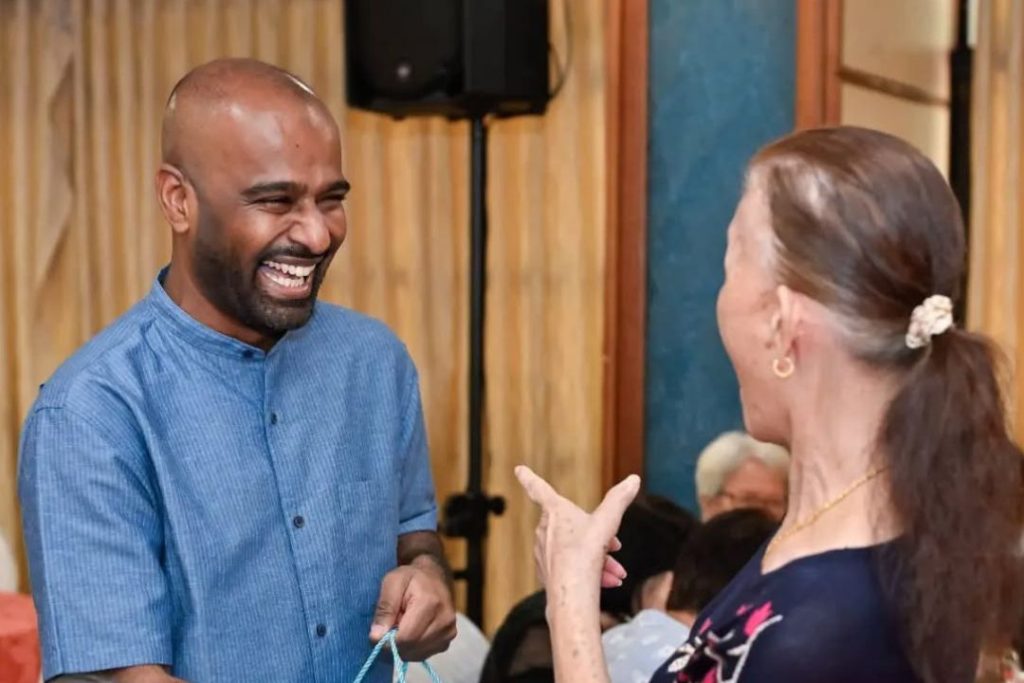
Dr Hamid acknowledged that his experience as a doctor has also shaped the way he connects with and understands residents.
“Everyone has health questions, and sometimes that helps to start a conversation,” he said. “When residents place their trust in you, that trust comes with a great responsibility. You cannot betray it.”
At the same time, his work as an MP has given him a deeper understanding of how residents’ social circumstances can affect their health.
A patient with diabetes, for example, may also be facing financial difficulties that affect their ability to access nutritious food or attend regular medical appointments. Over time, these challenges can worsen their health and, in turn, affect their ability to work and support themselves.
“When doctors treat a patient, it is not just about treating the medical condition. Unless we understand the social factors affecting their health, we may not be able to help them as effectively.”
Giving residents a greater voice in their neighbourhood
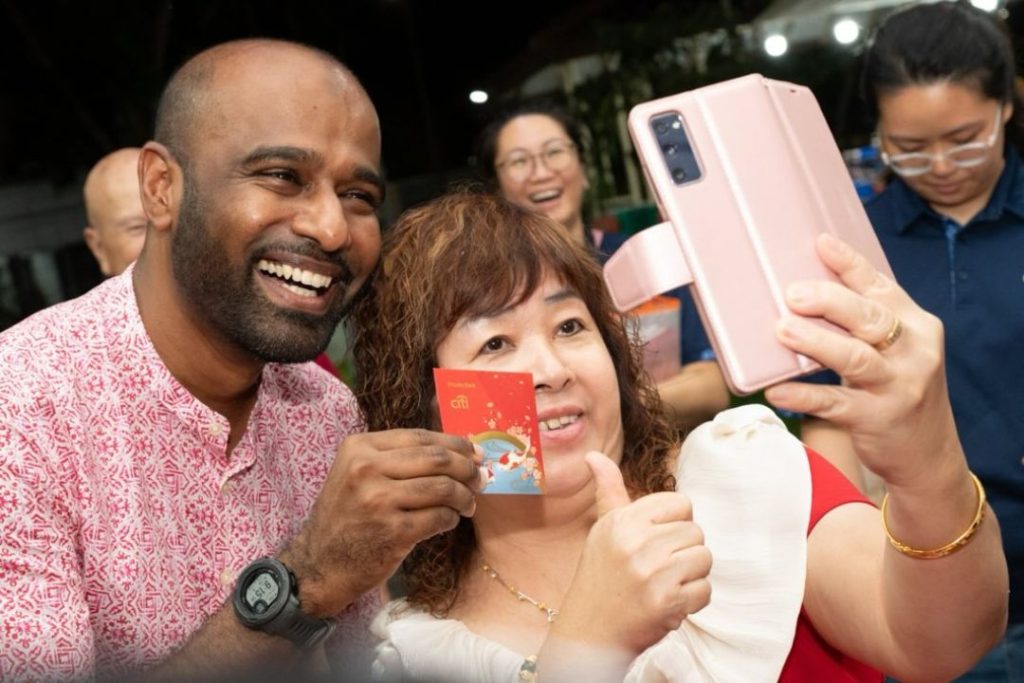
The same philosophy of listening also shapes how Dr Hamid thinks about the wider community.
Beyond helping individual residents, he hopes to create more opportunities for residents to contribute their views on how their neighbourhood evolves, including improvements to shared spaces and infrastructure.
“When the Town Council is looking at how a community space can be improved, residents should have opportunities to share their views and help shape how that space could be used,” he said.
Dr Hamid and his team are also exploring how technology and digital platforms can make it easier for more residents to participate and share their feedback.
While town halls provide an important platform for residents to learn about upcoming initiatives such as the Neighbourhood Renewal Programme and Home Improvement Programme, Dr Hamid believes digital engagement could complement these sessions and enable the team to hear from a broader segment of the community.
“Can we use technology and digital platforms to engage more residents, including those who may not be able to attend these sessions in person?” he asked.
For Dr Hamid, whether it is helping an individual resident or thinking about the future of the neighbourhood, the principle remains the same. Listen first, understand the issue, and then work with the right people to find a way forward.