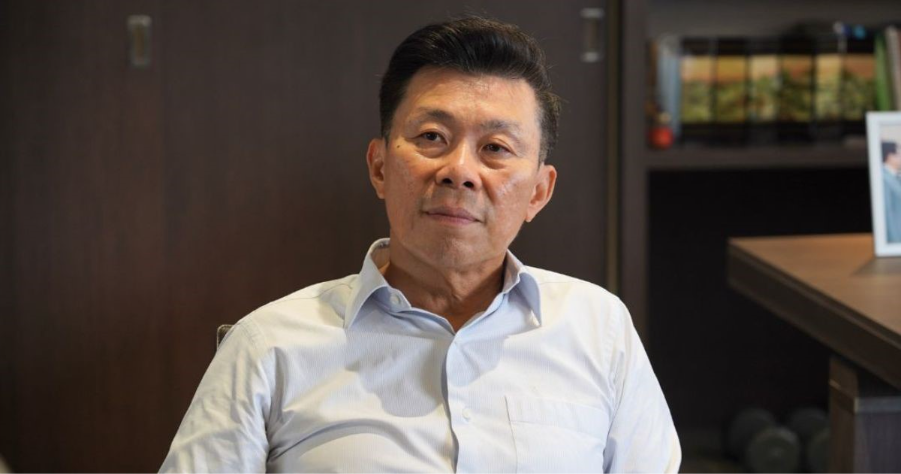
Few people know that a phone call sparked the idea for Heartbeat@Bedok, now a familiar landmark at Bedok town centre. The integrated community hub took nearly a decade to become reality.
In 2008, Lee Yi Shyan, then-Member of Parliament for East Coast GRC, received a call about renovating Kampong Chai Chee Community Club.
Built in 1981, the club would reach its 30-year mark in 2011. This meant the authorities would renovate the toilets, replace the air-conditioners, repaint the walls, update the wiring and add a function room.
“I told my colleague, if all I can do is expand only the CC, then ten years, 20 years, even 30 years later, residents who live around there will say, ‘Wah, this MP Lee Yi Shyan wasted my time. I elected him. All he can do is just renovate the toilets in the CC,'” Mr Lee said with self-deprecating humour.
“Hand on heart, I cannot do that. That’s not the limit of what I can do.”
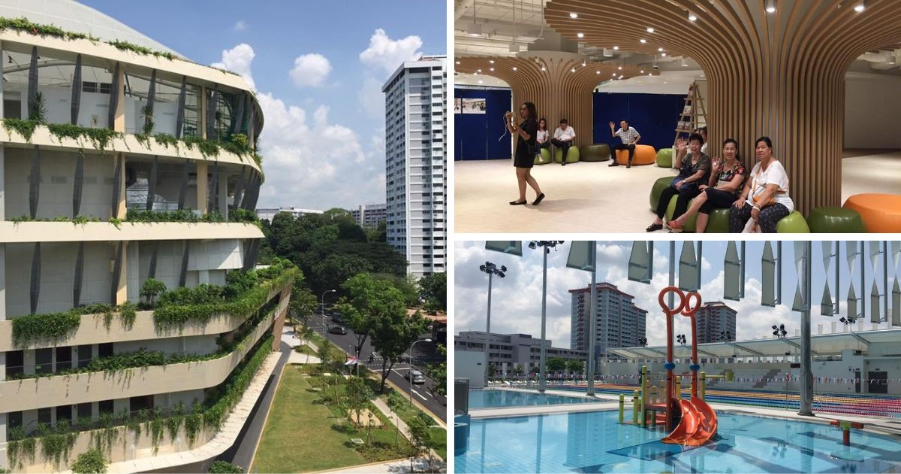
Mr Lee proposed building an integrated complex to house all facilities under one roof at Bedok town centre in his Kampong Chai Chee ward. The plan involved relocating existing amenities like the swimming pool and stadium to the new complex and stacking them vertically.
This relocation would free up land for new housing, including Build-to-Order flats and condominiums, as well as parks, he explained.
“If we don’t have new flats, we don’t have young families coming in, then we have a very aged town. Nothing wrong with aged, but we want life. We want the vitality. We want to see people at the playgrounds,” he explained matter-of-factly.
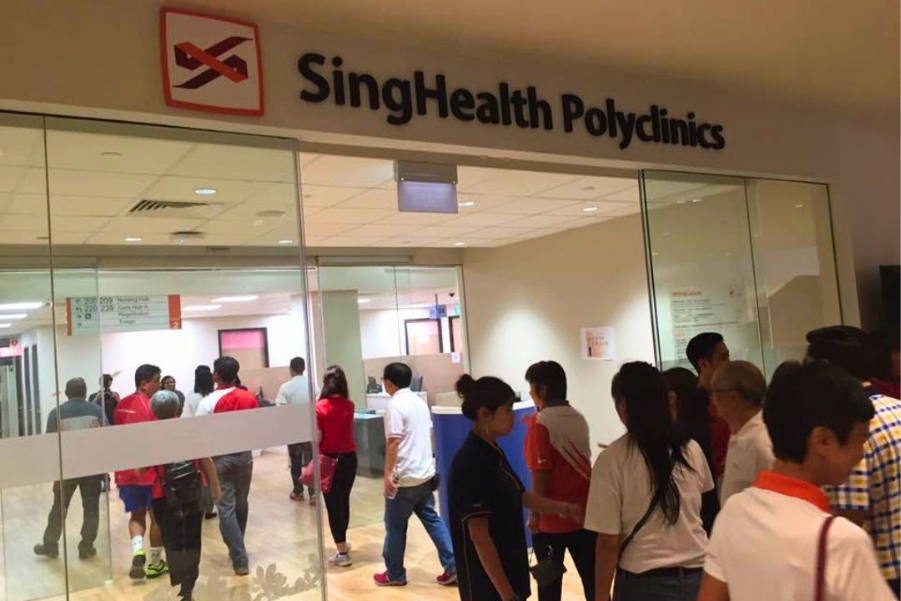
Mr Lee approached different partners to gauge their interest in relocating to the new complex.
SingHealth, which ran Bedok Polyclinic, was keen to move because morning queues at their existing polyclinic “would stretch from the second floor all the way to the ground floor”, he said.
Sport Singapore expressed interest but doubted the financial viability. “They said we just renovated our swimming pool five years ago. How can we tell Ministry of Finance we got to write off the renovation and now move to a new place?” Mr Lee recalled.
The Bedok Public Library also had its own building and “had no reason to move” initially, he noted.
The Bedok Neighbourhood Police Post could not commit because they were “short of NS men and were already closing down a number of neighbourhood police posts”.
Undeterred, Mr Lee continued to reach out to partners and secured a senior care centre and childcare centre.
With partner agencies identified, he needed government support and funding. Convincing the authorities proved difficult.
“It was not in a plan anywhere at the national level. I had no idea that Tampines Hub was also being conceived at the same time,” he recounted.
However, the financial logic was compelling: freeing up valuable land in Bedok and Chai Chee would allow other uses such as building new homes and amenities. He cited Bedok Residences and Bedok Mall as examples.
CapitaLand paid almost $800 million to acquire the land in front of Bedok MRT station for that integrated project, he noted.
“The land that you free up is actually worth $1 billion or more and can be used to build flats or condominiums.”

Heartbeat@Bedok was completed almost 10 years later and officially opened by then-Prime Minister Lee Hsien Loong on February 4, 2018.
The seven-storey integrated building, which occupies a site roughly the size of three football fields, houses a sports centre, library, community club, polyclinic and a senior care centre. It also has more than 30 retailers, including eateries.
Mr Lee acknowledged that Heartbeat@Bedok brought him immense satisfaction and pride in his political career.
“From the first call to PM Lee’s opening on the February 4, 2018. It took ten years in all. Nobody believed it could be done,” he said.
With the integrated development approaching its tenth anniversary in two years, he said he hopes it will continue to serve residents purposefully. This belief has guided the project since its conception: the building must meet residents’ future needs.
” What we add now must be good for the next 30 to 40 years. You cannot be shortsighted,” he said. “I don’t want future residents looking back and saying, ‘This Lee Yi Shyan was lousy. He couldn’t even anticipate the needs.’ We must try our very best to create usefulness and relevance into the future.”