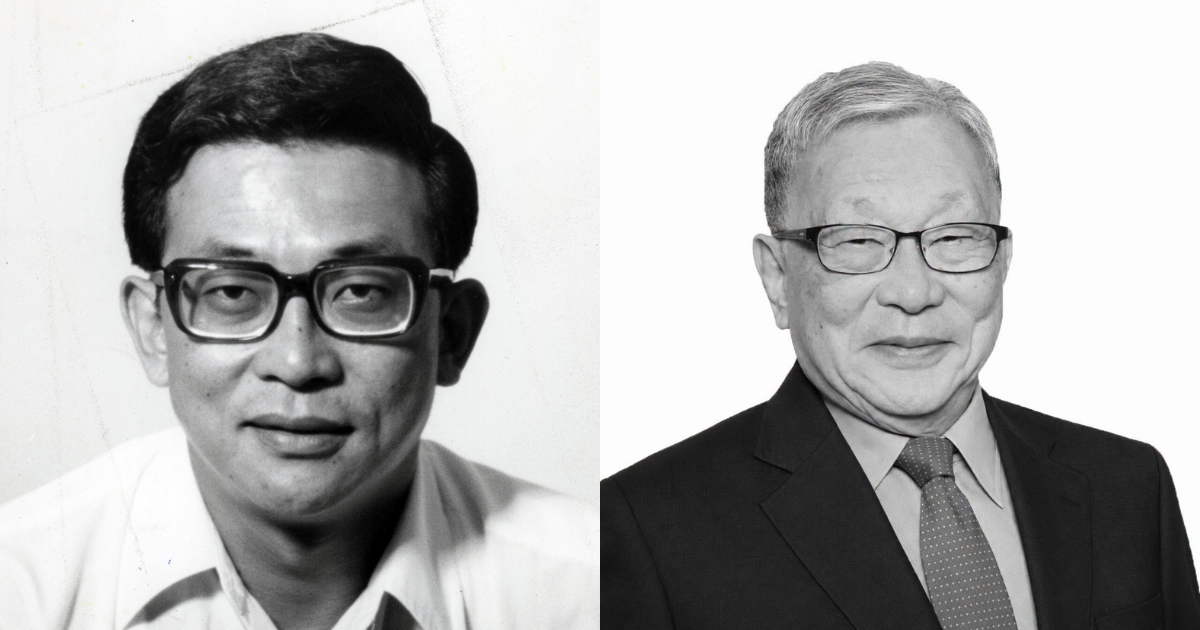
Comrade Lee Yiok Seng passed away on 30 October 2026, aged 87.
First elected to Parliament in 1972 as MP for Bukit Panjang SMC, Comrade Lee represented the constituency until 1991, before serving in Sembawang GRC.
His time in politics was marked by rapid urban change. Across Singapore, kampongs were giving way to new towns, roads and industrial estates. It was a change that Comrade Lee would be actively involved in, bringing about better homes and living conditions for fellow Singaporeans.
From backbencher to town planner
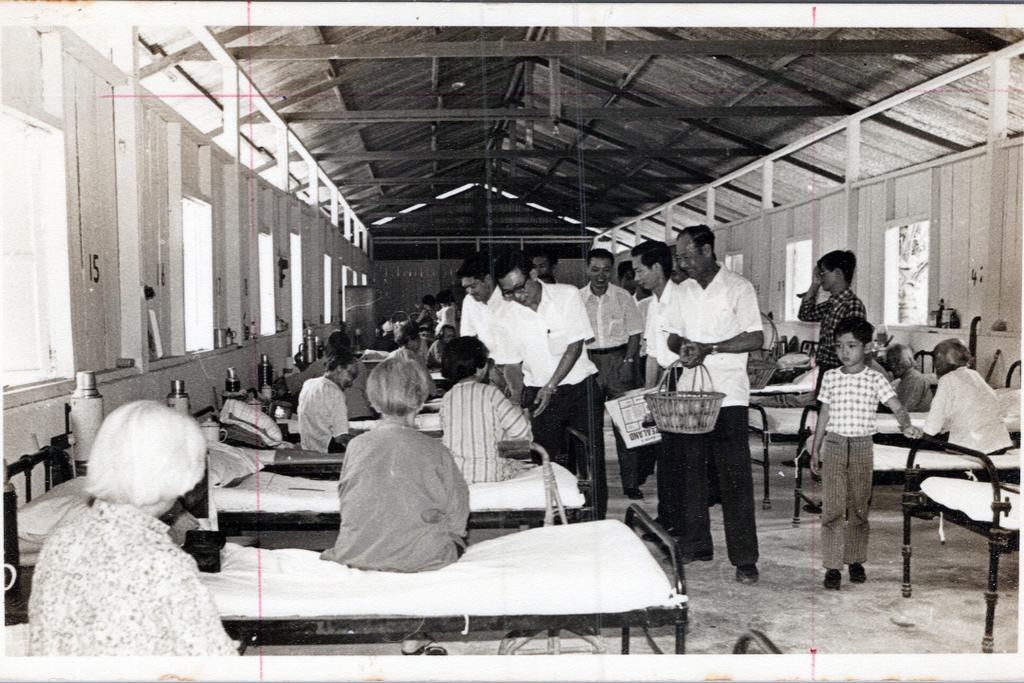
After 7 years as a backbencher, Comrade Lee was appointed Parliamentary Secretary for National Development in 1979. He was promoted to Senior Parliamentary Secretary two years later, a post he held until 1993.
As Singapore’s new towns took shape, Comrade Lee’s challenge was not just to provide flats. He needed to build everyday amenities – schools, shops, recreational spaces and transport links that would turn housing estates into communities.
Woodlands New Town, which Comrade Lee described as a “pocket of tranquillity”, was one such development. It was also a project close to Comrade Lee’s heart, with the town being part of his constituency.
As a backbencher, Comrade Lee had vocally championed more bus services to serve the area and overhead bridges to make road crossings safer. However, his appointment at the MND gave him a wider role in shaping the country’s urban landscape.
In a speech to residents, Comrade Lee outlined plans for Woodlands, then the largest new town of its time. A swimming complex and indoor stadium were among the recreational facilities planned. At the same time, the newly built Bukit Timah Expressway would cut the journey from Singapore’s northernmost town to the city centre to about 30 minutes.
The ambition to build self-contained neighbourhoods, with everyday amenities close at hand and good connections to the rest of the island, was shared by other new towns, including Bishan, Tampines and Jurong East. A vision, driven by Comrade Lee’s belief that “no part of the island will be too far from the city centre.”
Resettling Singaporeans and ensuring no one left behind
There was, however, a less visible side to this transformation. As the Government cleared its remaining slums and squatter settlements for development, thousands of families faced the prospect of leaving behind the only place they called home.
It fell upon Comrade Lee, who was appointed chairman of the Resettlement Review Committee, to review the compensation and housing arrangements for those affected.
The challenges were considerable. Farmers needed suitable alternative land, shopkeepers needed new premises and families needed housing they could afford.
Resettlement, as Comrade Lee acknowledged, had “never been a pleasant or easy” process. To allay residents’ stress, he pledged to minimise the “inconvenience or dislocation” faced by those affected.
Through Comrade Lee’s efforts, the Government accepted the committee’s recommendations. Affected families received a 30% increase in compensation, along with higher allowances for disturbance and transport. A move which provided some financial relief to those facing the upheaval of relocation.
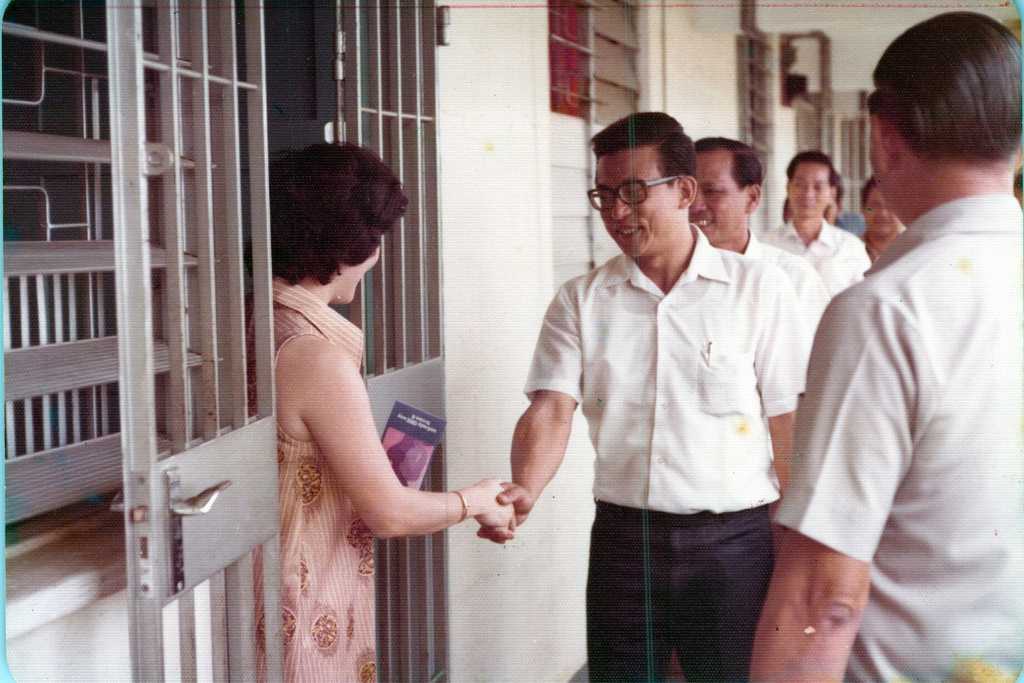
Comrade Lee’s responsibilities extended beyond housing and urban development. Between 1981 and 1988, he served as Government Whip. In 1994, Comrade Lee was moved to the Labour portfolio, where he served as Senior Parliamentary Secretary until he retired from politics in 1996.
By the time Comrade Lee left Parliament, Singapore’s landscape had changed considerably from the one he had entered over two decades ago. Slums that once dotted the island have been relegated to history, replaced by established towns and neighbourhoods that would become home to generations of Singaporeans.
Comrade Lee, whose career had spanned a formative period in Singapore’s history, was among the early leaders who helped make that transformation possible.
Through his years of service, Comrade Lee has helped shape not just where Singaporeans lived but also the communities they would come to call home.
His wake will be held at Woodlands Memorial from 12 to 14 November 2026.