Quick government support to help Singaporeans deal with the inflationary effects of the ongoing Middle East conflict, and having the resilience and resources to take further measures if the situation worsens. These are just some levers the PAP Government is activating to support Singaporeans.
We are not standing still in this global crisis, which affects all countries. We are also building our capabilities, for Singapore to differentiate ourselves from other countries by emerging stronger, more resilient, and more competitive on the world stage after the crisis.
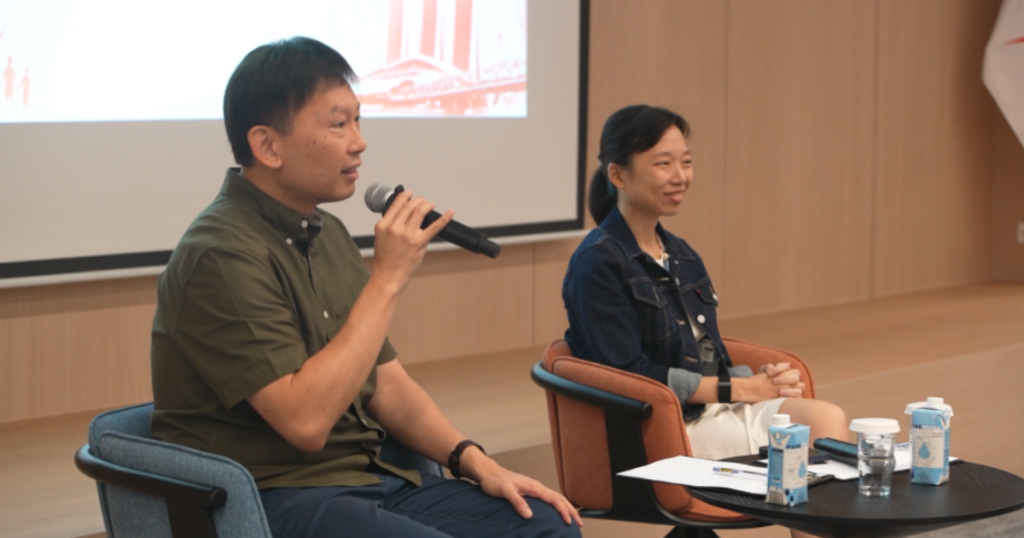
“[Inflation] will hit many different sectors. Not just energy-related sectors, but also food, transportation and many of our companies,” said PAP Policy Forum (PPF) Chairman Chee Hong Tat at the PPF’s lively Post-Budget 2026 Dialogue event (12 Apr).
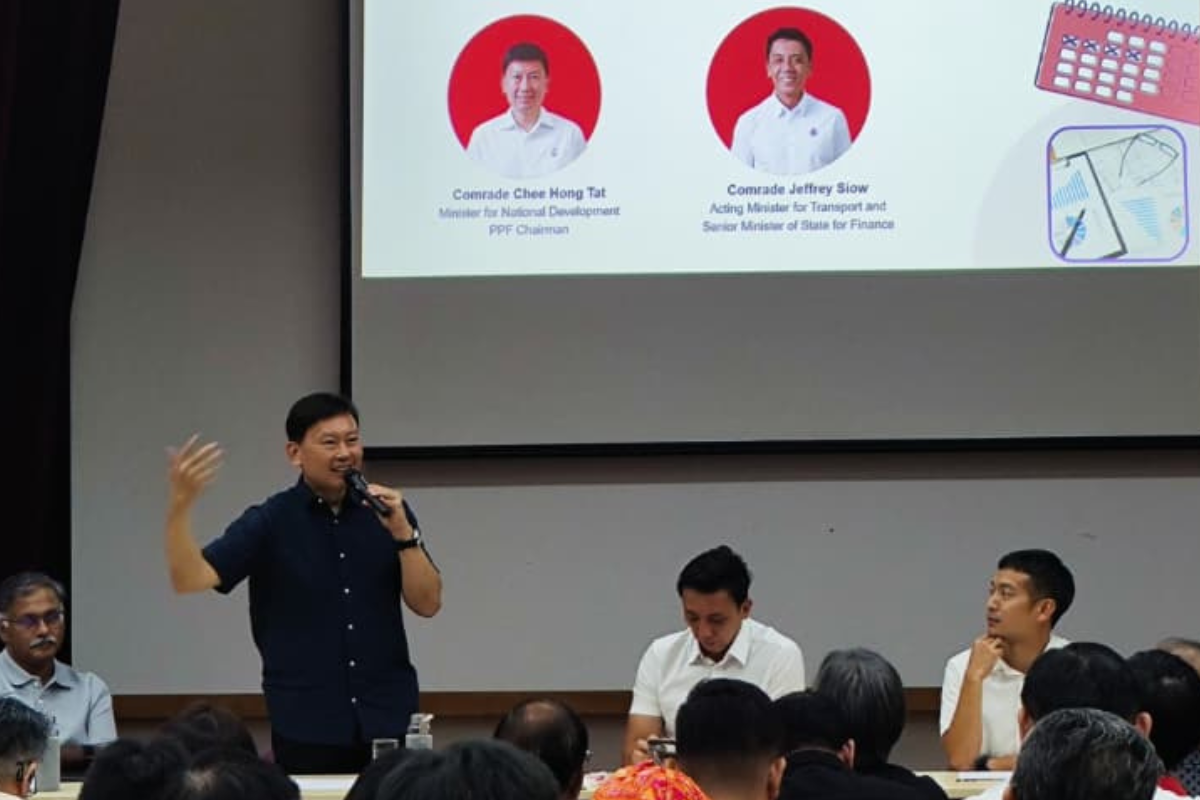
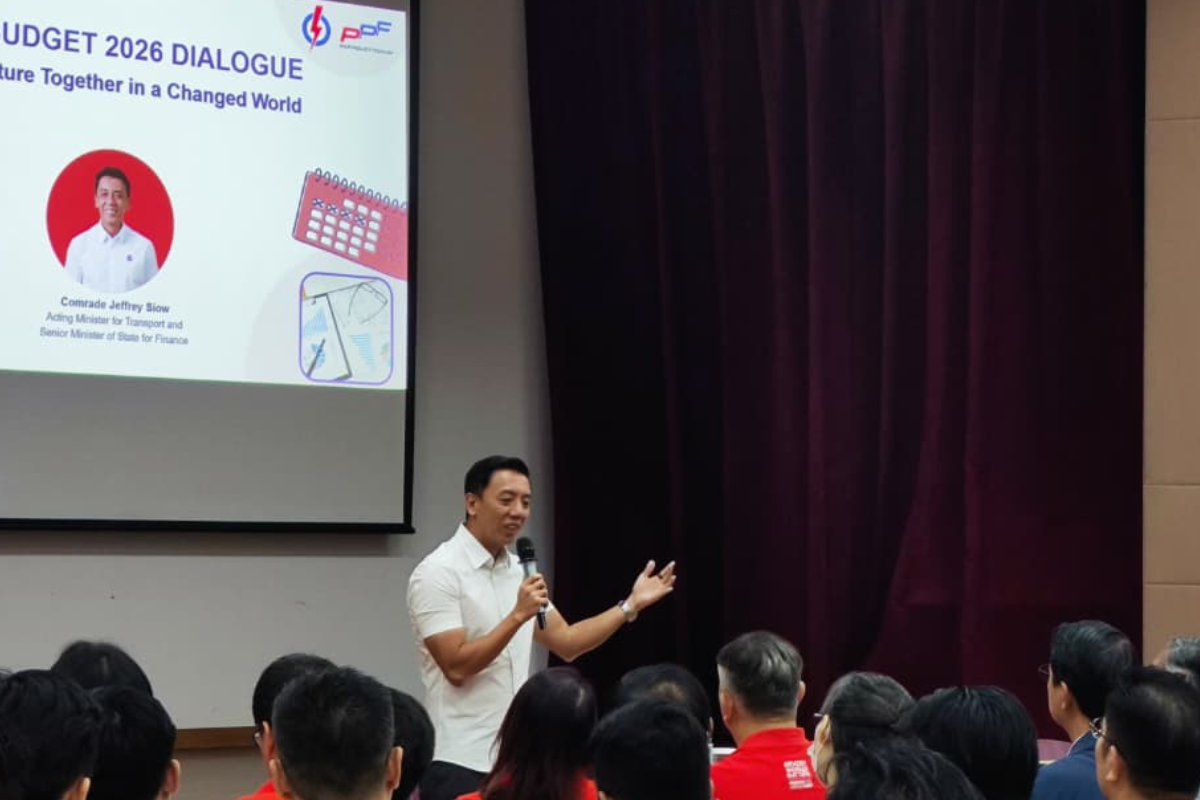


“Some of the oil and gas facilities in the Middle East were damaged and won’t come back for a while,” continued Mr Chee, who is also Minister for National Development.
The PAP Government has announced additional spending of $1 billion dollars, beyond what was announced in Budget 2026, to cushion Singaporeans against the war’s inflationary effects and address ground concerns.
These include $200 in cash relief for private transport workers, who are among the first to be hit by higher fuel costs. Measures also include co-funding to help essential bus services such as those for students, seniors and people with disabilities, as well as co-funding support for eligible contractors involved in critical Government projects.
For the general population, the measures include an increased cost-of-living special payment for households of up to $600 in September, bringing forward the $500 of Community Development Vouchers to June instead of next January. Companies and SMEs will also have additional corporate income tax rebates of 50 per cent instead of 40 per cent. Utility rebates of up to $570 per household were previously announced during Budget 2026.
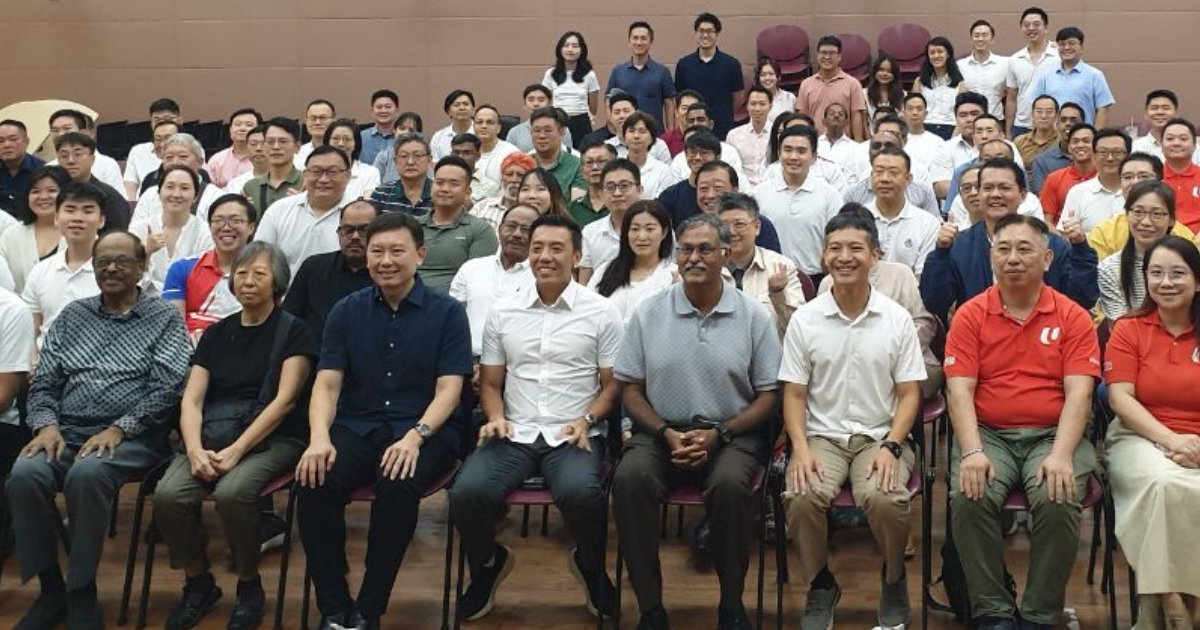
“At the same time, we keep some of our resources to invest in future-readiness, to build stronger capabilities and enhance our infrastructure,” said Minister Chee to over 140 PAP and NTUC activists at the event.
“So that we not only deal with this crisis effectively, but after the crisis, Singapore can be even stronger, more resilient; and we can become more competitive.”
Budget 2026 included six months of free access to premium AI tools for Singaporeans in AI training courses. The government has also extended the Senior Employment Credit scheme to end-2027.
Forward-looking capability-building measures have also been introduced. These include investing $37 billion under the Research, Innovation, and Enterprise 2030 plan in sectors like sustainability and quantum computing.
A new National AI Council will drive Singapore’s AI agenda, particularly in the key economic areas of advanced manufacturing, healthcare, connectivity and finance.
Acting Minister for Transport Jeffrey Siow noted that Singapore was preoccupied with energy prices, rather than energy supply, at a time when other countries have issues over fuel supply and need to ration fuel.
“This is not a lucky outcome, but the result of many decisions we made over the long term,” he continued. “Making sure that we are an oil and gas hub and have strategic oil and gas reserves, so that we can be in a good position in an energy crisis.”
Discussing nuclear power and digital financial assets
Activists asked a variety of questions pertaining to nuclear energy, space development, artificial intelligence and jobs.
In light of the blockades in the Strait of Hormuz, one activist wanted to know if nuclear energy in Singapore would enable us to be more energy secure.
Acting Minister Siow responded that any decision on nuclear power must first involve solving sensitive social, safety and urban planning questions.
“It is potentially possible for us to have an SMR (Small Modular Reactor), [but] where should I put the SMR? Where would it be safe? How would it be done?”, said Acting Minister Siow.
“Today, the technology is not really quite there yet. But we need to prepare ahead, because building up this expertise takes many years.”
Another activist asked about the policies on investing in digital financial assets such as stablecoin — is there a plan to take part in this growing trend?
“Some of these so-called ‘stablecoins’ are not that stable,” responded Minister Chee, who is also Deputy Chairman of the Monetary Authority of Singapore.
“When the bubble bursts and some people lose all their money, that will have a big impact on our reputation as a trusted financial hub,” he continued, emphasising Singapore’s international reputation as a trusted place to invest and do business.
“And that’s why, in Singapore’s case, we take a careful and risk-calibrated approach, because we want to make sure that we don’t spoil our reputation by allowing products that are actually not safe, not proper, to be sold widely, including to retail investors. We lose more than we gain.”
Adopting AI and managing its disruptions
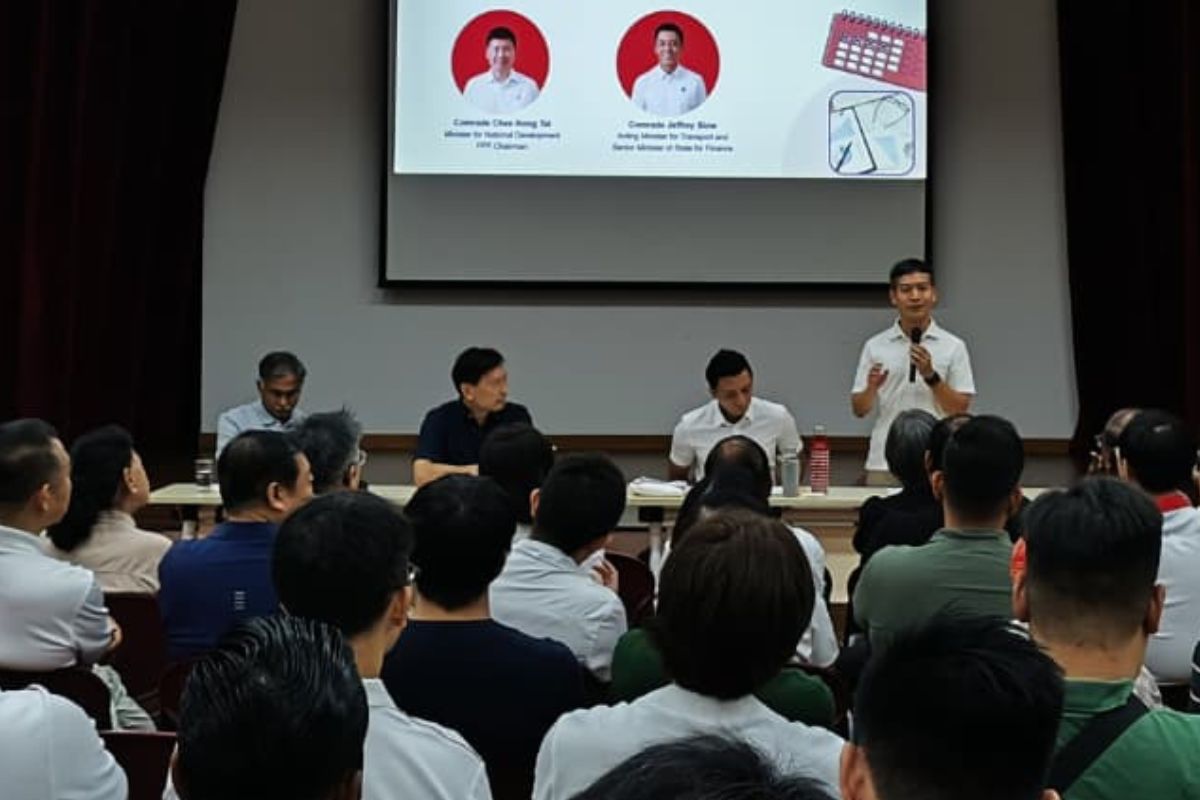
One activist wanted to know how Singapore’s civil service is weighing the trade offs of AI.
“Just eight years ago, we tried using AI to automate key tasks. Specifically, I remember in 2017, we were trying with AI agents to help us make it easier for PAs to do their jobs,” shared PPF Head of Advocacy and Research Shawn Loh about his time in the civil service previously.
“AI’s grown fast since then,” he added. “If we had the same spirit of innovation, which we still do, to experiment with these tools, and give people the space, I’m sure you can get things done faster.”
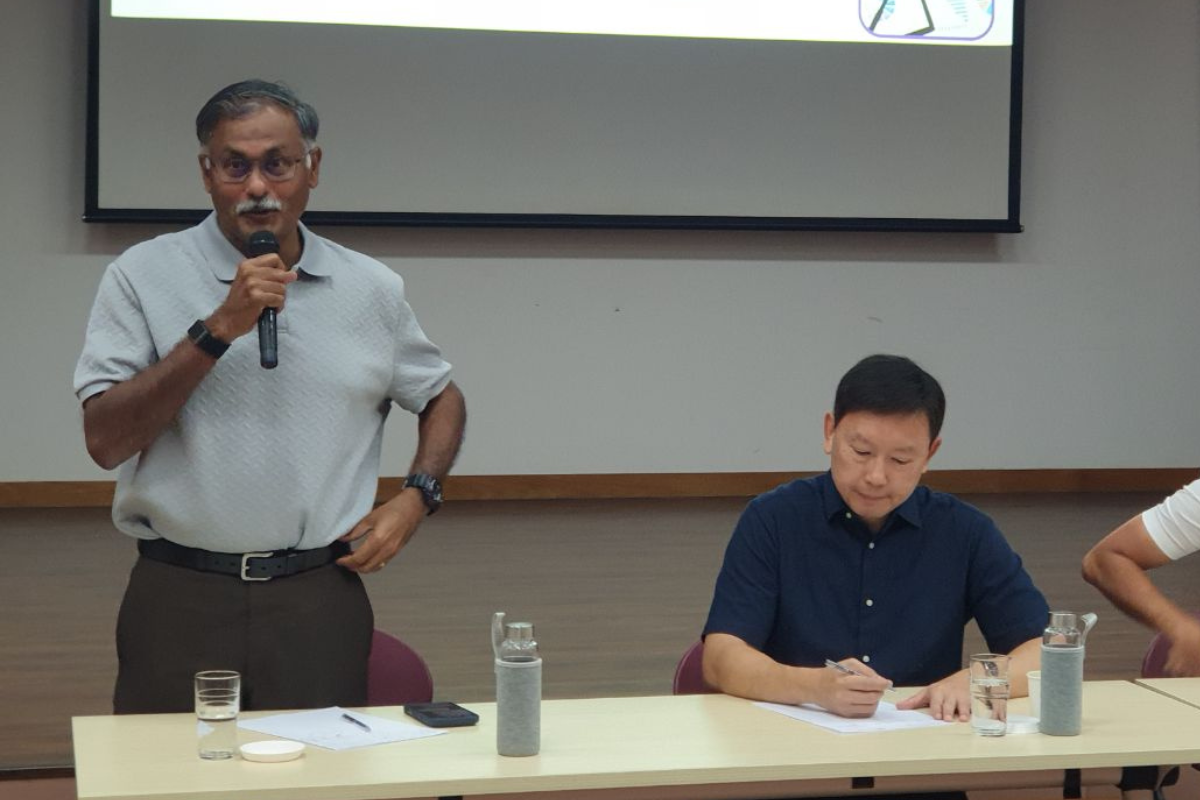
Vice-Chairperson Murali Pillai considered the need to manage AI’s disruptions.
“If you want to really get support for AI reform, then you make sure there’s no joblessness growth,” he said. “You make sure that any worker who was affected is trained and moved up to a role where they can perform.”