Education in Singapore has undergone constant development and evolution over the years, to better meet the needs of our children and a constantly changing society. However, they remain a source of stress for many families. How do we put a stop to the academic arms race? What else can we do to celebrate diverse talents and redefine success?
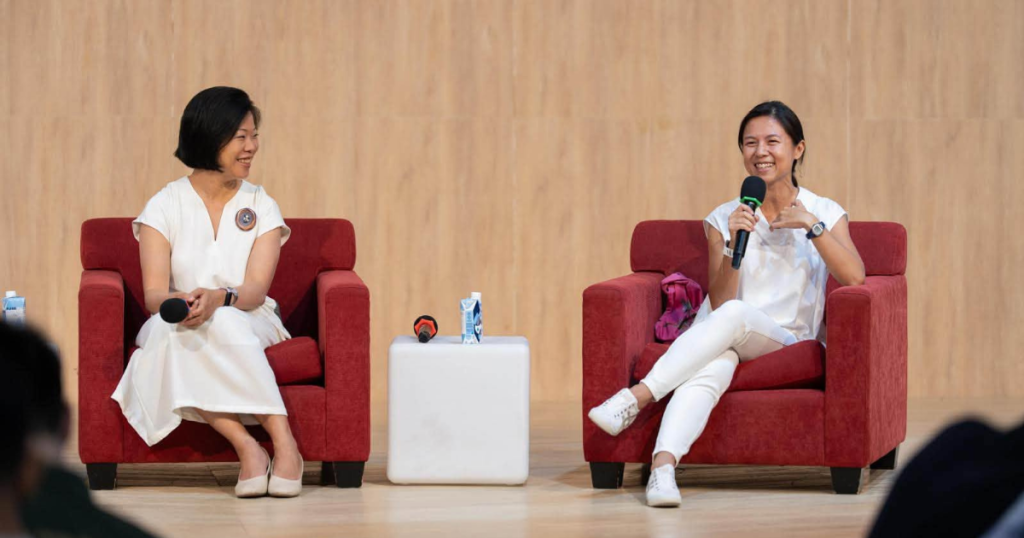
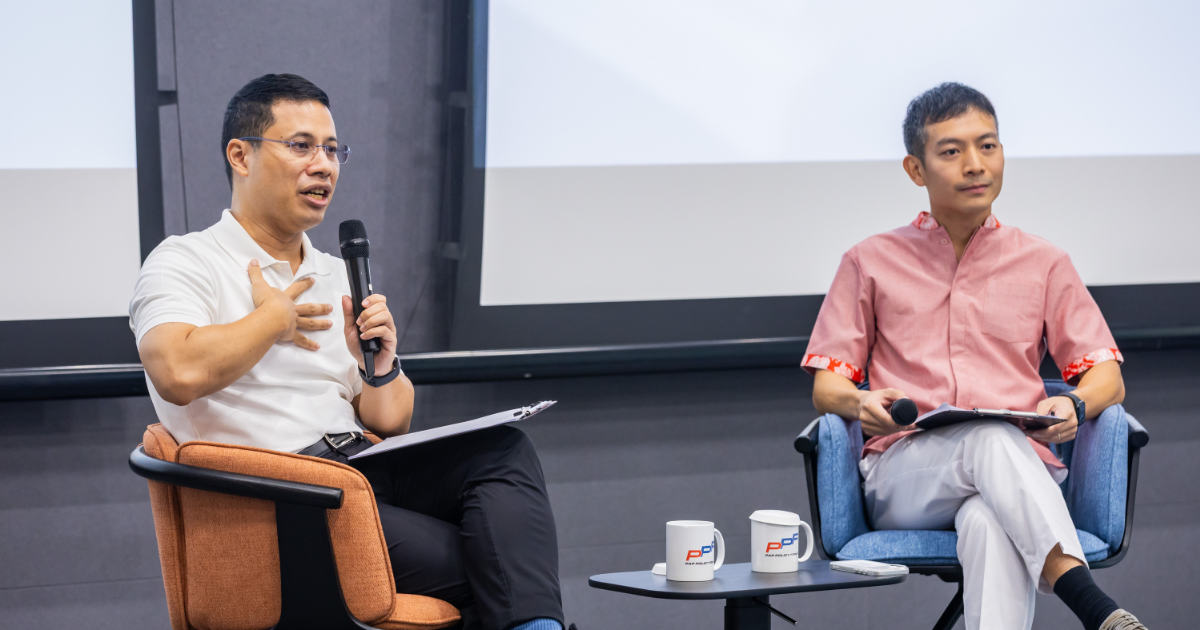
These were some of the issues raised during the PAP Policy Forum (PPF) on Education held on Sunday (July 26). Addressing nearly 200 participants from various walks of life in a fireside chat, Minister for Education Desmond Lee shared his views on the challenges involved, and the necessity for education reforms.
The session was moderated by Shawn Loh, PPF Head of Research and Advocacy and MP for Jalan Besar GRC.
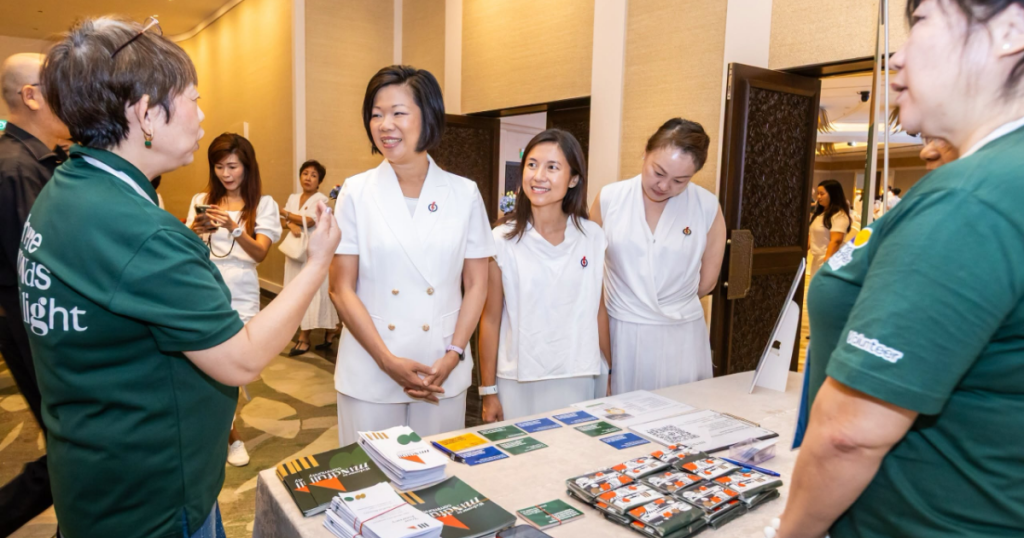
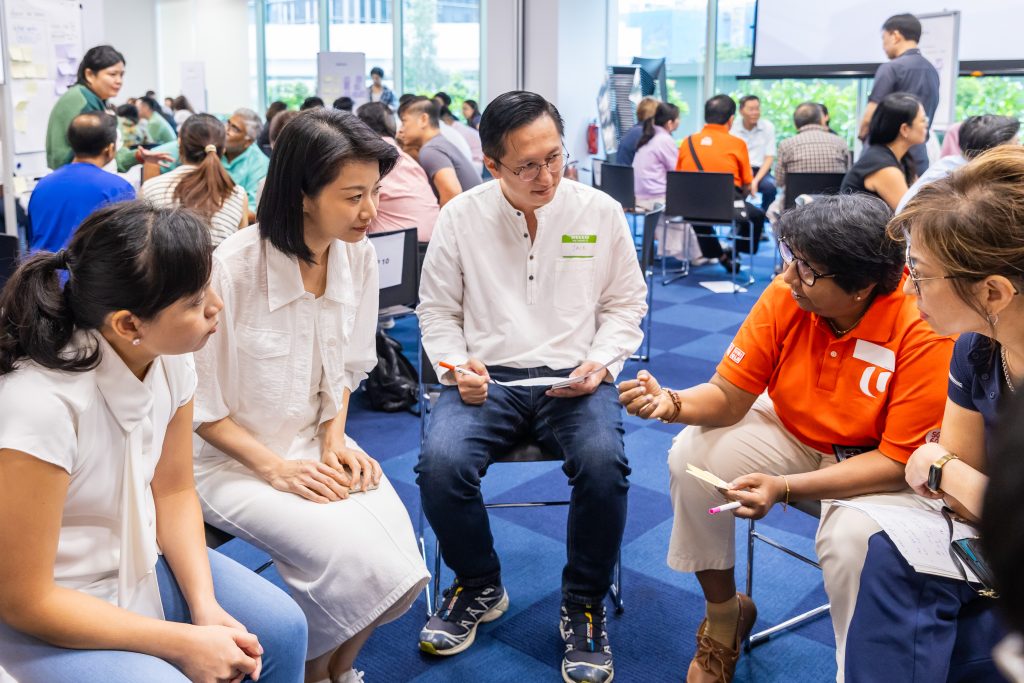
PPF Chairperson and Minister for National Development Chee Hong Tat, Senior Ministers of State Sun Xueling and Murali Pillai, as well as MPs Charlene Chen and Elysa Chen, were also in attendance and joined activists in small-group discussions.
Judgement and courage in education reform
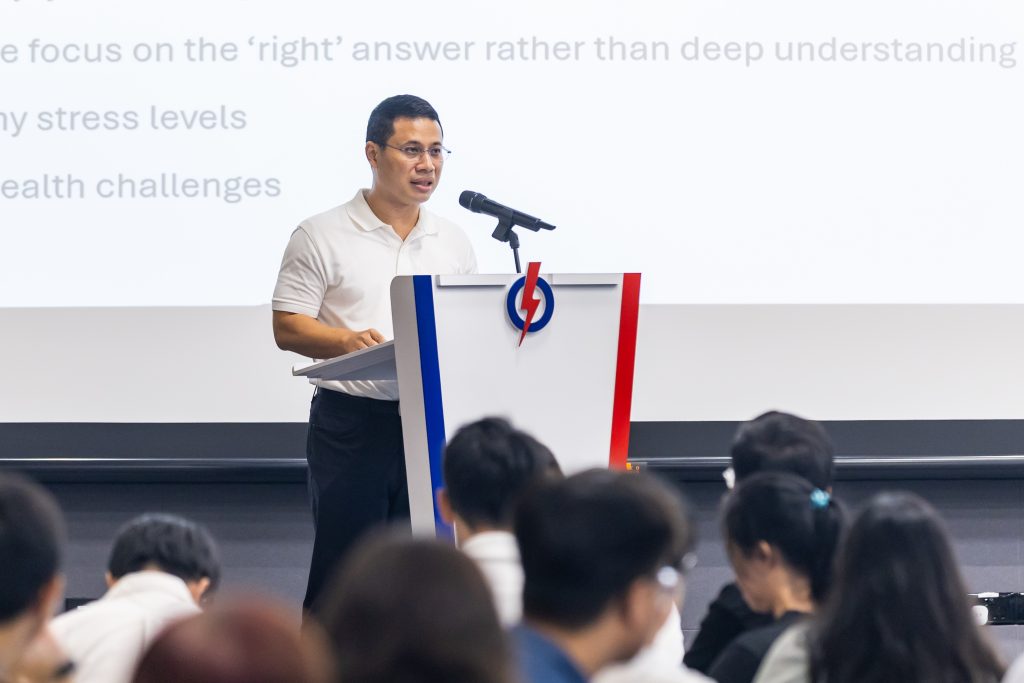
At the heart of Singapore’s education ‘arms race’ is the fear parents have that if they step back, their child will be left behind. Many worry that high-stakes exams like the PSLE will determine a child’s life for decades to come.
Anecdotes of parents pouring resources into ever more tuition, or even taking time off work to help their children prepare for the exams, are not uncommon, shared Minister Lee.
“This overemphasis on academics does not come from a focus on the importance of academics for its own sake, but what academic success is seen to lead to,” added Mr Lee.
In Singapore, that means the deeply held belief in some quarters that getting good PSLE grades allows their child to get into their preferred secondary school, and onwards to university, a good job and living the good life.
This deeply held belief may have lesser and lesser relevance in today’s complex world where pathways to success are varied and opportunities are continuous through life.
According to Minister Lee, this is where education policy and system can play an active role to change deeply ingrained beliefs. He cited the introduction of Full Subject-Based Banding and the removal of mid-year exams in primary and secondary schools as deliberate policy moves to reduce the overemphasis on grades and free up time and space for holistic development.
More can be done. The goal is to reduce an overemphasis on grades, including by exploring how to reduce the pressure and stakes associated with PSLE, said Mr Lee.
Minister Lee shared that through MOE’s Education Conversations, many Singaporeans have offered their deeply held opinions on how we can make changes and reforms to the PSLE.
Some believed that making PSLE easier could reduce stress. On the other hand, others felt that if the PSLE were easier, it would make it harder to understand each child’s abilities and learning aptitudes.
Recounting an informal conversation with some young people, Mr Lee admitted being a little surprised by their responses.
Their views, he added, reflected a more nuanced perspective than public debate often suggests.
“One said [PSLE] was her wake-up call. Another said, ‘Don’t mollycoddle us.’ Because if young people don’t get acclimatised to stress over time, then we will fall apart when taking the O or A levels,” recounted Minister Lee.
Others felt that the exams helped them secure places in their preferred schools.
Given finite resources, the reality is that no school sorting system will please everyone, said Minister Lee.
“These competing perspectives show why education reform requires judgement and courage… to build a better future for our children.”
Preparing our students for the future
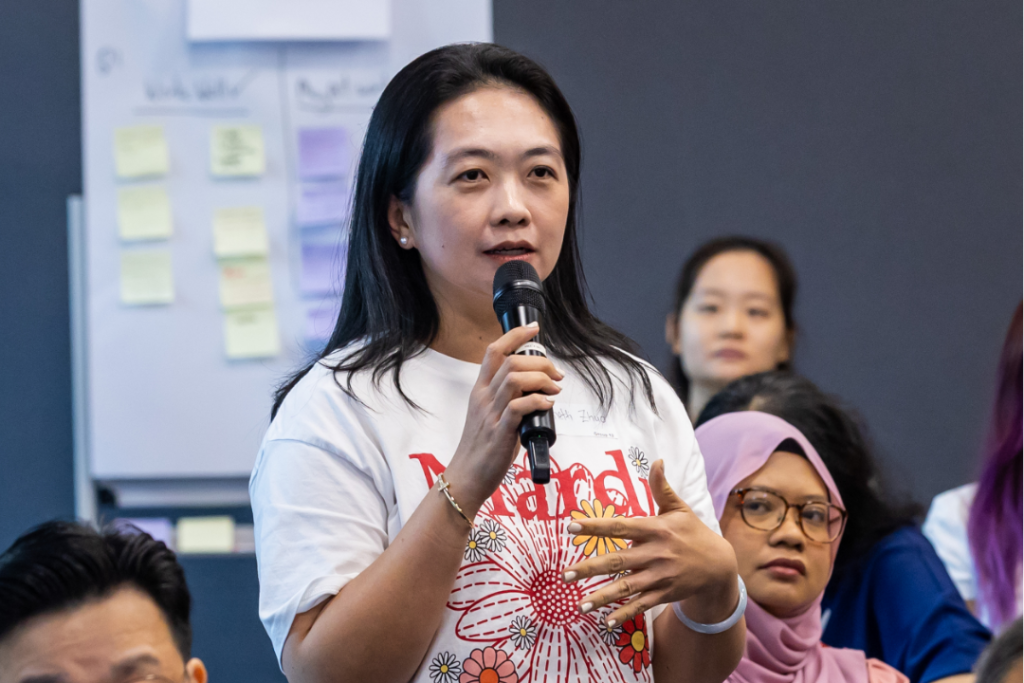
Besides PSLE, the hour-long dialogue also centred on how schools can prepare students for the future.
One activist asked how schools should define success when machines increasingly perform cognitive tasks better than humans. Another worried that AI would leave young people without meaningful jobs.
Addressing these concerns, Mr Lee shared that there will be more emphasis on holistic development in schools.
“If there is a good time to make this shift in our education system and our culture of learning, I think it is right now.
“Critical thinking, communication, teamwork, resilience, judgement, empathy, creativity, and more. These are deeply human abilities that technology cannot easily replace – and that employers are increasingly valuing in workers.”