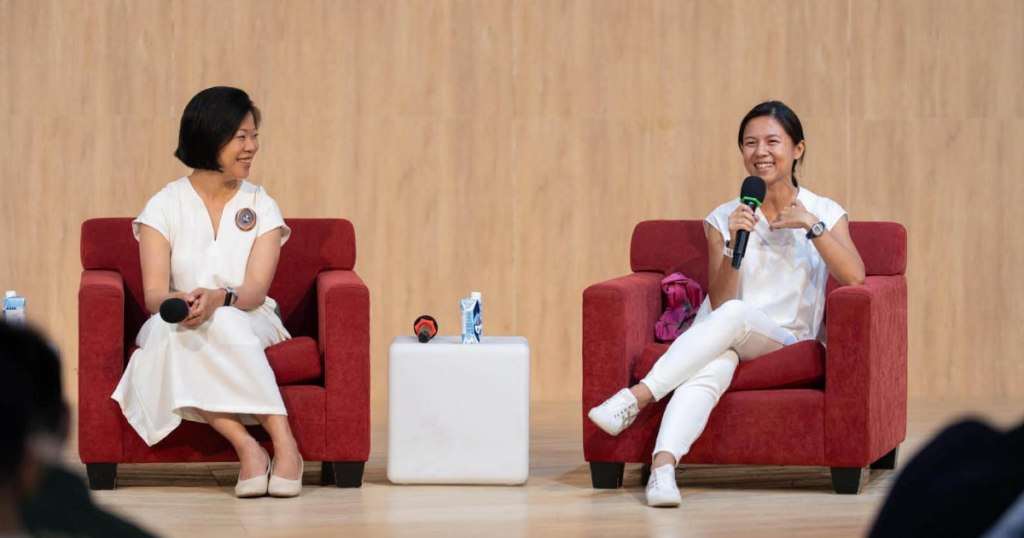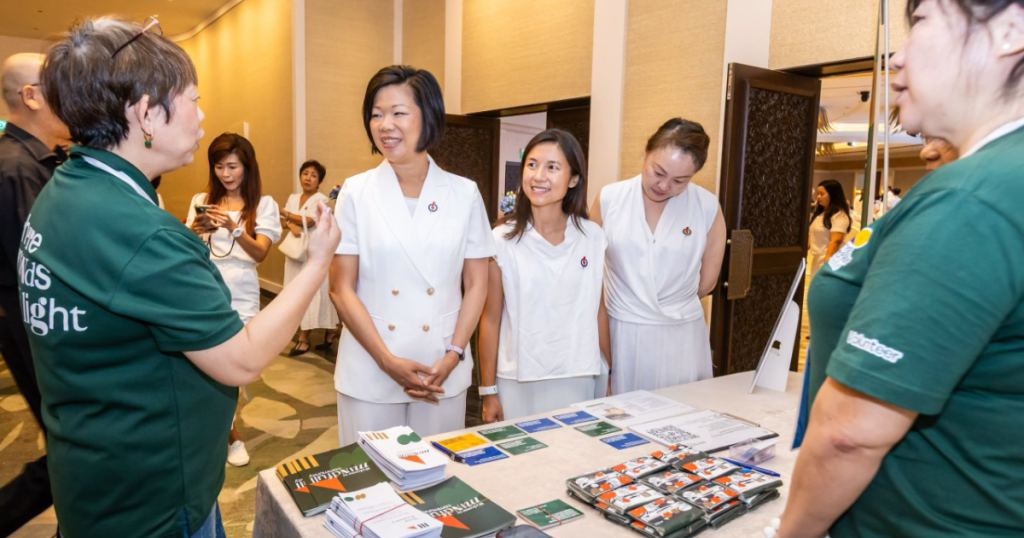
Over the past few months, the PAP Women’s Wing (WW) has held several listening sessions with Singaporeans from different walks of life, gathering feedback to help shape policies on marriage and parenthood.
At a recent session, the spotlight fell on couples who identify as DINKs – dual income, no kids.
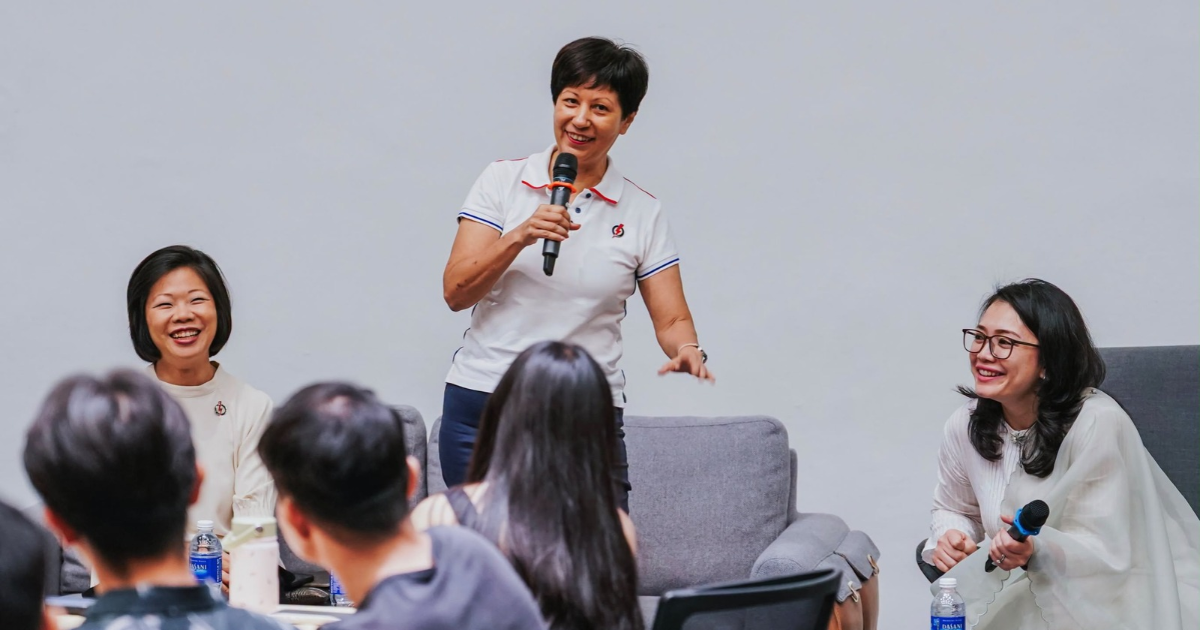
“After the National Day Rally, some of the feedback we got strongly was from the singles and families with no children. What about us?” said Hazlina Abdul Halim. The MP for East Coast GRC, who was moderating the session, also identifies as a DINK.
As a community that is growing in Singapore, DINKs are very much misunderstood. With no childcare costs to think about and plenty of time for themselves, the lifestyle of DINK couples ignites envy. However, as the dialogue went on, it became clear that DINKs undergo challenges of their own.
For many, hesitation over having children is multilayered and not simply about money, housing or childcare. Instead, it goes into something deeper. Sharing their thoughts with the panel, consisting of Minister Indranee Rajah, PAP WW Chairperson Sim Ann and Ms Hazlina, participants spoke of the uncertainties they felt over their careers and whether they would be good enough parents.
The question is, how far can policies go in addressing these concerns?
Addressing the arms race in parenting
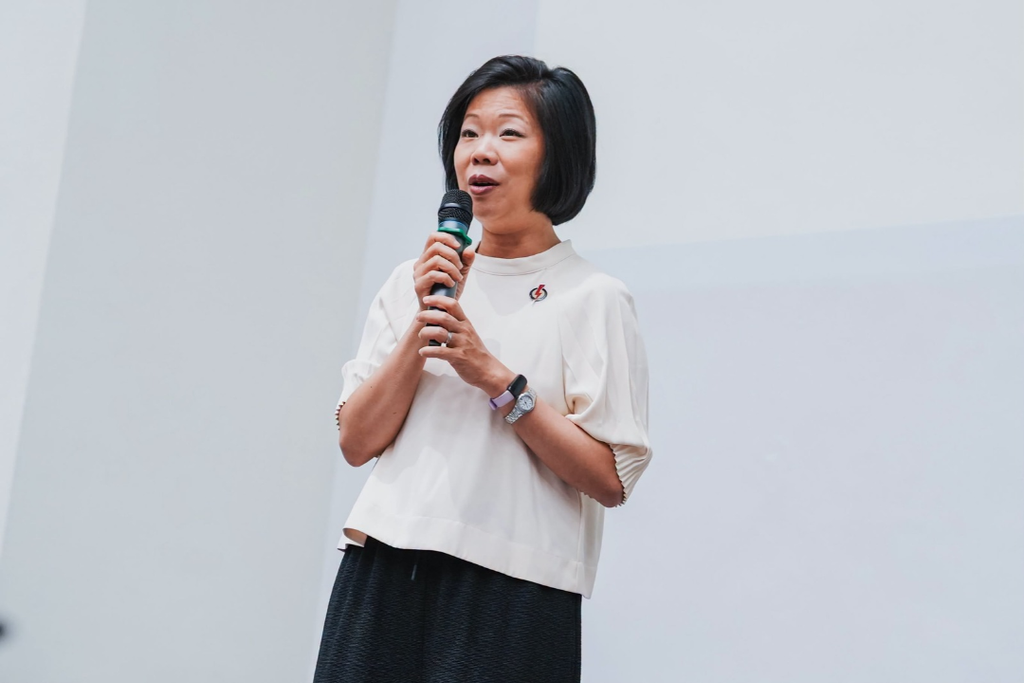
Opening the floor for discussion, one participant asked how Singapore could change a culture in which raising children increasingly feels like an “arms race”. From choosing the right preschool to enrolling your child in enrichment programs, the internet is chock-full of advice on how parents can give their child an edge over others.
As a mother of three, Ms Sim is well aware of this pressure and describes the arms-race mentality as being “very real”.
The pressures of work mean that she finds herself not being able to spend as much time as she can with her children, admitted Ms Sim, something which has led to feelings of mom-guilt. As a result, Ms Sim shared that she had at times questioned whether she should work less or change her profession just to be more present for her children.
The advent of social media also meant that comparisons have intensified. Parents are only “one scroll away” from seeing another family that appeared to have everything together, added Ms Sim.
This struggle to be perfect parents is daunting, and one of the reasons couples stay on the fence about starting a family.
On this, Ms Indranee, who chairs the Government’s Marriage and Parenthood (M&P) Reset Workgroup, offered some insights.
Drawing on her experience at the Ministry of Education, she said research on what mattered most to a child’s development ultimately came down to something much simpler.
“Fundamentally it boils down to two things – engaged parents and good teachers. Not the enrichment programmes. Not all the other stuff.”
Engaged parents, she said, took an interest in their child’s day, built their confidence and made them feel accepted. As for good teachers, their understanding of individual strengths and weaknesses can help bring out the best in students.
Interestingly, Ms Indranee also noted that many of our anxieties about the education system stemmed from our experiences as students. “From the time that you left school to where you are now, that 10-to-20-year gap, MOE’s way of teaching has changed tremendously.”
Indeed, over that period, streaming had been abolished, alongside mid-year exams in primary schools. Both changes point to a system moving away from viewing exams as the be-all and end-all in life, something which should give parents worried about academic stress some comfort.
Viewing parenthood as a journey
Besides parenting challenges, participants also raised doubts about embarking on parenthood itself.
One woman shared how, after years building her career, she had to confront the possibility that becoming a mother could mean losing a version of herself. Another worried about whether she would be a good parent and if her kids would love her.
While these are uncertainties that policies cannot fix, Ms Indranee nonetheless offered some advice, gleaned from her many conversations with families over the years.
“It’s better to see it (parenthood) not in terms of perfection, but more in terms of a journey,” – one inevitably filled with happiness, frustration and surprises, said Ms Indranee.
And instead of viewing children primarily through the lens of sacrifice, couples could consider what they gained in exchange.
“All the parents that I’ve spoken to almost all tell me that it’s worth it,” she said. “Maybe it’s not so much about sacrifice per se, but it’s that you’re giving up something for something else.”
Lowering fertility costs and changing workplace norms: Areas where policies can help
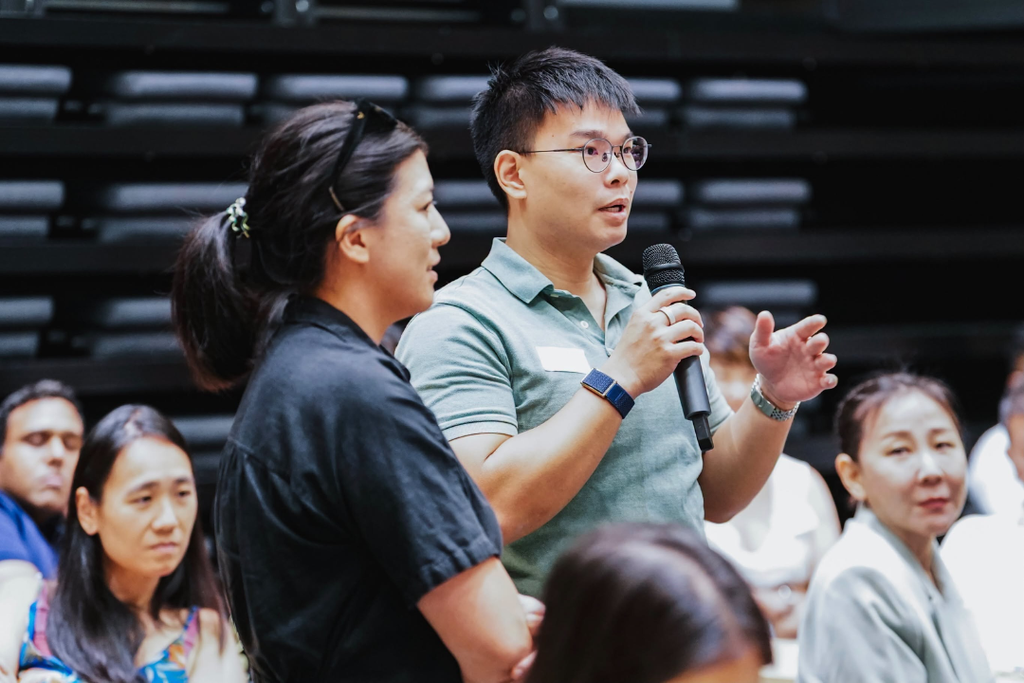
There are, however, some uncertainties where policies can make a difference.
Responding to a participant who asked whether fertility treatments could be made more affordable, Ms Indranee said the M&P Workgroup is examining the issue.
“The good news is that we are looking at it very actively,” she said, adding that any proposals would have to be “backed by data [and] science”.
With time being another constraint, the government has also moved to provide and pay for more parental leave. Guidelines have also been in place since 2024 that require employers to consider requests for flexible work arrangements (FWAs) fairly.
However, policy alone cannot create a family-friendly workplace. Ms Indranee added that workplace norms must change so that parents can make use of FWAs and childcare leave without worrying about the impact on their jobs or colleagues.
For companies, that means planning for periods when employees have to step away, including how their work can be covered when specialist skills are required.
“We’ve got some ideas, but it can’t be done just by government alone,” said Ms Indranee. “We’ve got to work with the trade associations and chambers, we have to work with the unions, we have to work with all the training facilitators and basically change the workplace so that you can have better family life.”
In the end, no government can remove every uncertainty that comes with having children. What it can do is to listen and provide support in areas where possible – from lowering the costs of childcare and fertility treatments to making leave from work less of an HR minefield.
As for worries that are harder to solve with policy, perhaps, as Ms Indranee suggested, part of becoming a parent is accepting that some uncertainties will always remain.
“The truth of the matter is you will never have certainty in becoming a parent. The only thing any parent can do is just do your best to give them the right values.”