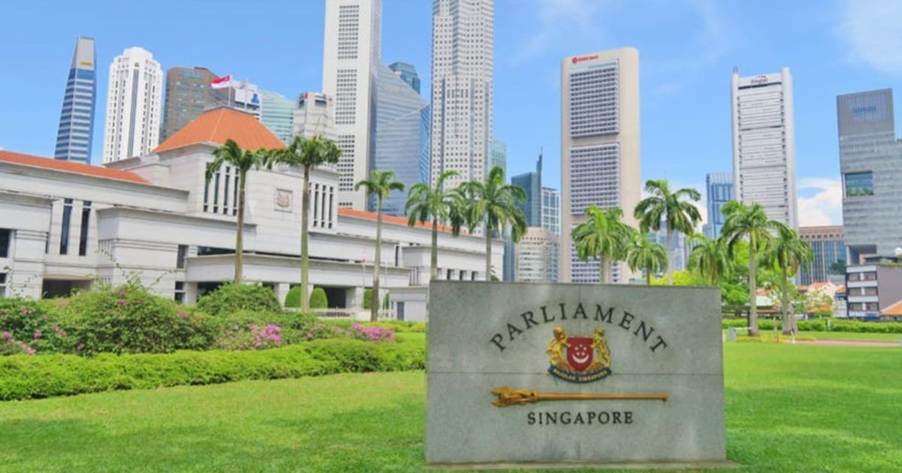
Parliament passed the Administration of Muslim Law (Amendment) Act, to empower the Syariah Court to regulate or prevent the relocation of a child outside Singapore under existing custody or care orders. Among other changes include the streamlining of divorce proceedings
The amendments also integrate the governance and oversight of the Singapore College of Islamic Studies (SCIS) into the statutory functions of the Majlis Ugama Islam Singapura (MUIS), with government support covering campus development and specific non-religious components. These legislative updates ultimately bring tangible benefits to the Muslim community.
During the debate on the Administration of Muslim Law (Amendment) Bill on Nov 3 and 4, PAP Members of Parliament, including Dr Hamid Razak (West Coast GRC), Hazlina Abdul Halim (East Coast GRC), Nadia Ahmad Samdin (Ang Mo Kio GRC), Mariam Jaafar (Sembawang GRC), and Valerie Lee (Pasir Ris-Changi GRC), raised concerns about safeguards to ensure fair outcomes in Muslim divorce proceedings, particularly in cases involving coercion or abuse, as well as the support available to families and children during and after divorce.
“Importantly, how will the Court guard against situations where consent is driven by intimidation, coercion, or unequal bargaining power?” Dr Hamid asked. “While I welcome greater judicial discretion, this flexibility must be backed by clear safeguards, consistency, and absolute procedural fairness.”
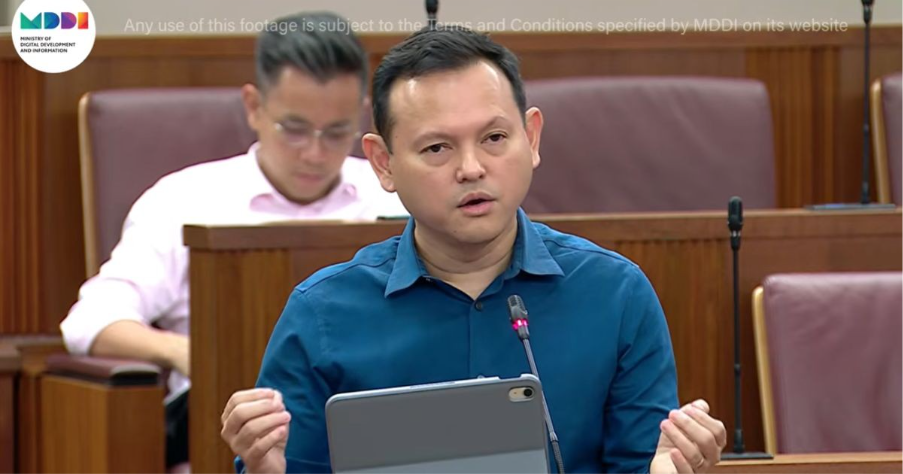
Acting Minister-in-charge of Muslim Affairs Zaqy Mohamad emphasised that the authorities aim to remove redundant procedural steps once all legal and religious requirements are met.
“Where there are indications of coercion, intimidation, or family violence, the Syariah Court will consider these concerns properly before determining how the matter should proceed… When these signs are displayed, the party will be referred to seek independent legal advice.”
Regarding Ms Mariam’s question on non-compliance with court orders, Mr Zaqy stated that parties can seek enforcement through the Family Justice Courts (FJC).
Responding to Ms Lee’s query on preventing the dissipation of matrimonial assets during divorce proceedings, Mr Zaqy explained that the FJC has an established framework for such remedies. Consequently, parties in a Muslim divorce who require an injunction can apply directly to the FJC, leveraging the existing collaboration between the FJC and the Syariah Court.
The proposed changes in the amended Bill will strengthen the Syariah Court’s powers to prevent a child from being taken overseas or to permit relocation subject to conditions.
Where relocation is allowed, the court may impose conditions to preserve contact between the child and the parent remaining here.
In response to questions from Mr Yip Hon Weng (Yio Chu Kang), Ms Hazlina, Ms Nadia, and Ms Lee on how the orders would be operationalised and enforced, Mr Zaqy shared that the Syariah Court is working with the Immigration and Checkpoints Authority (ICA) on enforcement arrangements, particularly for urgent, high-risk cases.
The Syariah Court is also reviewing how it can hear emergency cases promptly, taking reference from arrangements for civil cases, when there is a risk of a child being taken overseas amid Muslim divorce and custody cases.
When asked about support systems for families during and after divorce, Mr Zaqy emphasised that assistance is tailored to each family’s unique circumstances.
“When needed, the court can order children or parents to attend counselling to help them deal with the emotional impact,” he said. “Court therapeutic specialists may also work with social service professionals and other agencies to support Muslim families during and after court proceedings.”
As Cai Yinzhou (Bishan-Toa Payoh GRC) and Ms Nadia have pointed out, families will also have access to broader national support programmes such as Ministry of Social and Family Development’s Strengthening Families programme, which provides counselling for parents and children, as well as children in between programmes to help younger children cope with their parents’ needs.
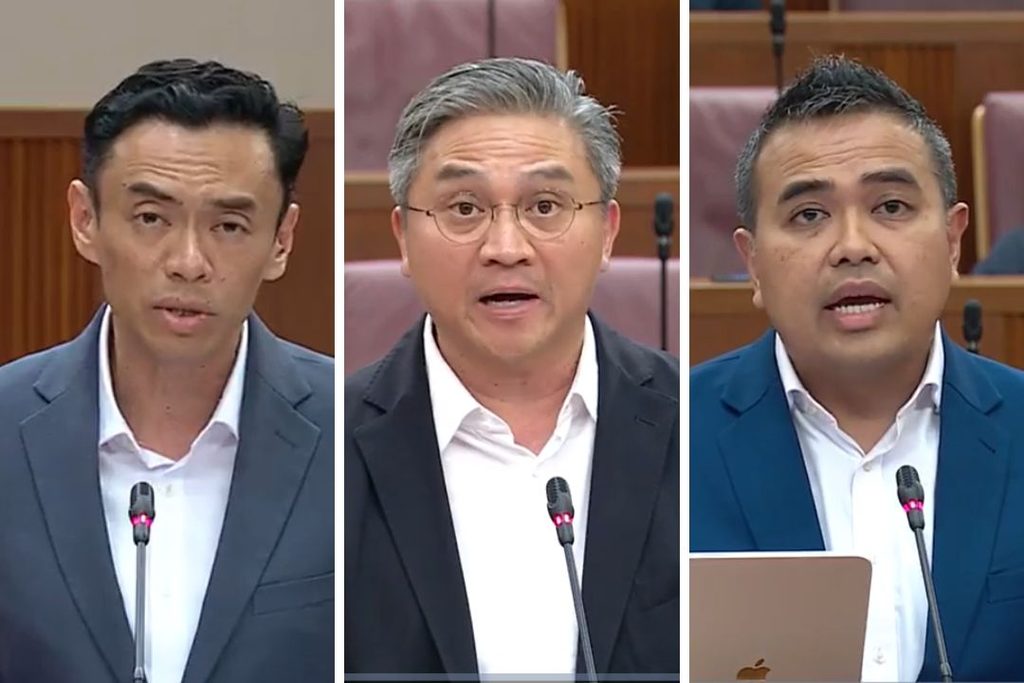
MPs also raised queries and offered suggestions regarding the newly proposed Singapore College of Islamic Studies (SCIS).
Dr Wan Rizal (Jalan Besar GRC) enquired about the institution’s academic freedom, asking: “Could the Acting Minister clarify how the SCIS’s governance framework will balance oversight and accountability with the autonomy needed for independent academic inquiry and decision-making?”
In response, Mr Zaqy stated that strong governance and academic independence are not mutually exclusive. He assured the House that the SCIS will retain its institutional and academic independence, managing its own academic policies, curriculum development, faculty appointments, and student affairs.
Additionally, an advisory panel comprising local and international religious scholars has been formed to guide the college.
Addressing questions regarding the recognition of SCIS qualifications and career pathways for graduates, Mr Zaqy noted that the government aims to ensure graduates are well-prepared to contribute meaningfully to the Singapore community. To achieve this, the SCIS is actively forging academic and industry partnerships, and is in discussions with relevant agencies to understand sector needs and secure student attachments and internships.
Meanwhile, Mr Sharael Taha (Pasir Ris-Punggol GRC) and Mr Saktiandi Supaat (Bishan-Toa Payoh GRC) asked if the government would expand the college’s offerings to include other Islamic and social science specialisations, such as special education, data analytics, business, finance, or AI governance.
Mr Sharael noted that far from diluting the core Islamic education, a strong foundation in theology becomes even more valuable when graduates can apply it directly to contemporary challenges.
Mr Zaqy shared these aspirations, stating that the government hopes to expand the SCIS’s academic and research capabilities over time. For instance, there are plans to scale the Research Programme on Muslim Communities of Success (RPCS) to study modern dilemmas, including the intersections of environmental stewardship, the use of AI, and religious values.
Concluding the debate, Mr Zaqy emphasised that the updates to the Administration of Muslim Law Act (AMLA) do not mark the end of the government’s efforts.
“What is crucial is ensuring that these benefits are truly felt by the community,” he said. “Ultimately, the strength of our institutions lies not just in the structures we build, but in the people we educate, the families we protect, and the future we shape together.”